Delhi HC bars DUSU victory processions, serves notice to all 140 candidates
Synopsis
The Delhi High Court didn't just warn — it acted. On the day of DUSU polling, the court banned all victory processions, served notices on every one of the 140 candidates, and threatened collective electoral damages against student organisations. With 998 challans and four arrests already on record, the bench has signalled that repeated impunity during university elections will no longer be tolerated.
Key Takeaways
The Delhi High Court on 18 September 2026 banned victory processions after DUSU election results, on roads and inside campuses.
A Bench of Chief Justice Devendra Kumar Upadhyaya and Justice Tejas Karia issued notices to all 140 DUSU candidates and student organisations.
Authorities reported 998 challans , 30 vehicles impounded , 6 FIRs , and 4 students arrested for campaign violations.
Delhi Police was made directly responsible for ensuring no victory procession takes place; violations may attract contempt of court.
The court proposed imposing collective electoral damages on student organisations, not just individual violators.
The orders arise from a petition by advocate Prashant Manchanda seeking enforcement of Lyngdoh Committee recommendations and anti-defacement guidelines.
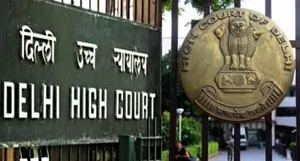
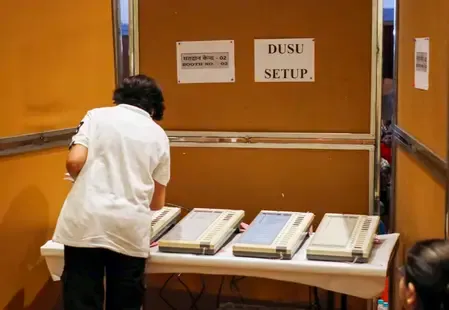
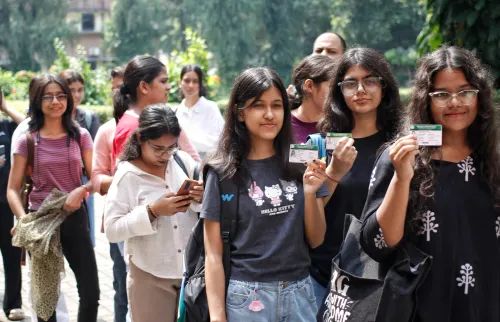
The Delhi High Court on Friday, 18 September 2026, barred candidates, students, supporters and others from holding victory processions following the declaration of results in the Delhi University Students' Union (DUSU) elections, warning that any violation could invite criminal and administrative action and may also amount to contempt of court. The order was passed by a Bench comprising Chief Justice Devendra Kumar Upadhyaya and Justice Tejas Karia.
Notices to All 140 Candidates
The Bench issued notices to all 140 candidates contesting the DUSU elections, as well as to student organisations, asking them to explain why they should not be saddled with exemplary electoral damages for alleged violations of the Lyngdoh Committee recommendations and earlier judicial orders. The court directed Delhi University counsel to furnish the complete list of candidates and organisations for the purpose of issuing these notices.
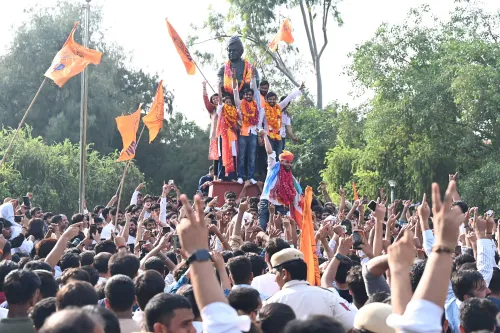
The High Court made clear that no victory procession would be permitted either on Delhi's roads or inside college campuses and hostels. Delhi Police was specifically tasked with ensuring compliance. 'It will be the responsibility of the Delhi Police to ensure that any such victory procession does not take place. Any violation shall not only attract criminal and administrative action against the students but shall also amount to contempt of court,' the Bench ordered.
Scale of Violations During Campaigning
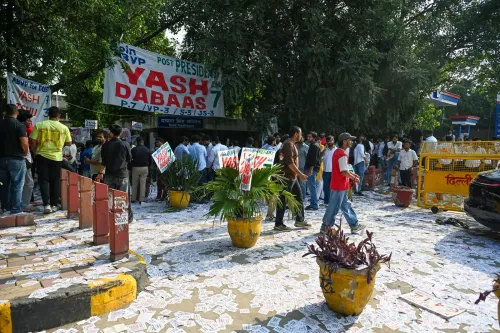
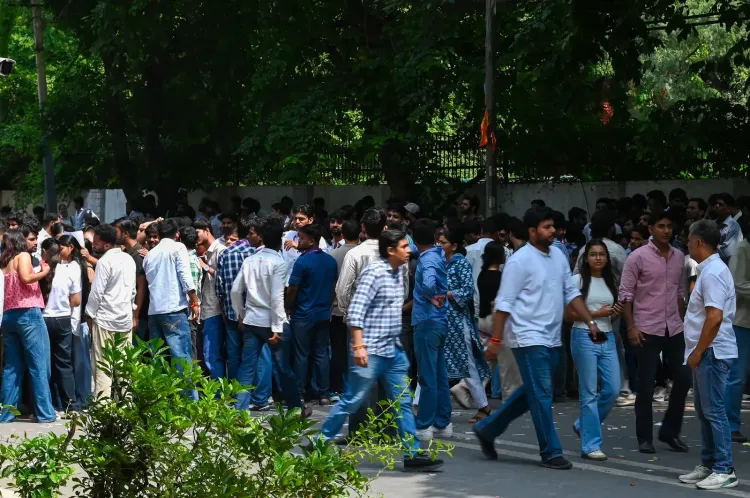
Additional Solicitor General Chetan Sharma informed the court of enforcement action already taken: 998 challans issued, 30 vehicles impounded, one student rusticated, six FIRs registered, and four students arrested. An additional 5,737 challans were issued for defective vehicles and driving without licences. Despite this, the court observed that Delhi University's administrative action had not proven a sufficient deterrent against alleged hooliganism and unlawful conduct.
The High Court directed that criminal proceedings already initiated against alleged violators must be taken to their logical conclusion, and questioned student organisations over the conduct of their candidates and supporters during the campaign period.
Background: A Day Before Polls
The latest directions came just a day after the court had warned on Thursday that it could stay the counting of votes or the declaration of results if it remained unsatisfied with action by Delhi University and Delhi Police. The Bench had stated unambiguously: 'No excuses will be accepted by the Court... though we are not staying or postponing the election but, if we are not satisfied with your action, we can pass a harsher order staying the counting or declaration of results.' Polling had been scheduled for 18 September.
The orders stem from a petition filed by advocate Prashant Manchanda seeking enforcement of the Lyngdoh Committee recommendations, anti-defacement guidelines, and the DUSU election code of conduct. The petitioner had alleged incidents of violence, vandalism and the entry of outsiders during campaigning.
Pattern of Repeated Violations
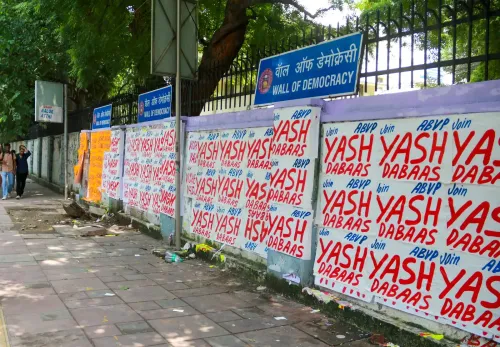
This is not the first time the Delhi High Court has intervened in DUSU polls. In an order passed in October 2024, the court had directed that vote-counting would not proceed until it was satisfied that posters, graffiti, hoardings and spray paint had been removed, vandalised property restored and defacement losses made good. At that time too, the court had noted a prima facie extensive use of money and muscle power in DUSU and college elections.
The court has previously remarked that elections, meant to be a 'festival of democracy', had been reduced to a 'festival of money laundering and defacement of public property.' Critics argue that without structural reform to student union election norms, court orders alone are unlikely to break this cycle.
What Happens Next
With results expected after the conclusion of polling on 18 September, the Delhi High Court's ban on victory processions will be the immediate test of compliance. The court has also proposed imposing collective electoral damages on student organisations — not just individual violators — a mechanism that could set a broader precedent for enforcing Lyngdoh Committee norms at university elections nationwide. The next hearing will assess whether Delhi Police and Delhi University have met the court's compliance threshold.
Point of View
Muscle power and Lyngdoh Committee violations for years, yet each cycle ends with the same cycle of court notices and inadequate deterrence. The proposal to impose collective damages on student organisations — rather than just individuals — is a meaningful escalation that could shift accountability up the chain. The deeper question is whether Delhi University and Delhi Police have the institutional will to enforce these orders once the court's gaze shifts, or whether this too becomes another episode of selective compliance followed by amnesia.
NationPress
18 Sept 2026
Frequently Asked Questions
What has the Delhi High Court ordered regarding DUSU election victory processions?
The Delhi High Court has banned all victory processions after DUSU election results on 18 September 2026, prohibiting them both on Delhi's roads and inside college campuses and hostels. Delhi Police has been made responsible for enforcement, and any violation may attract criminal action and contempt of court.
Why were notices issued to all 140 DUSU candidates?
The court issued notices to all 140 candidates to explain why they should not face exemplary electoral damages for alleged violations of Lyngdoh Committee recommendations and earlier court orders. Notices were also issued to student organisations for the conduct of their candidates and supporters during campaigning.
What is the Lyngdoh Committee and why does it matter here?
The Lyngdoh Committee recommendations are a set of guidelines established by the Supreme Court to regulate student union elections in India, covering campaigning conduct, expenditure limits and anti-defacement norms. The Delhi High Court has repeatedly cited repeated breaches of these norms in DUSU elections as the basis for its interventions.
What enforcement action has already been taken during the DUSU 2026 campaign?
According to submissions made before the High Court, authorities issued 998 challans, impounded 30 vehicles, registered 6 FIRs, arrested 4 students, rusticated 1 student, and issued 5,737 challans for traffic and driving violations. The court noted this had still not proved sufficient deterrence.
Could the DUSU results be stayed or cancelled by the court?
The court had explicitly warned on Thursday, a day before polling, that it could stay the counting of votes or declaration of results if it was not satisfied with action by Delhi University and Delhi Police. It chose not to postpone the election on 18 September but left a harsher order as a live possibility.