Eastern Railway coal freight up 7.29% in April–July 2026, earns ₹2,263 crore
Synopsis
Eastern Railway — typically seen as a passenger zone — is quietly becoming a bulk energy logistics force. Coal movement to NTPC plants drove a 13.22% jump in coal freight earnings to ₹2,263.20 crore in just four months, with the revenue directly funding passenger infrastructure upgrades across the region.
Key Takeaways
Eastern Railway moved 23.14 million tonnes of coal between 1 April and 31 July 2026 , a 7.29% rise year-on-year.
Coal freight earnings surged 13.22% to ₹2,263.20 crore , up from ₹1,998.95 crore in the same period of 2025.
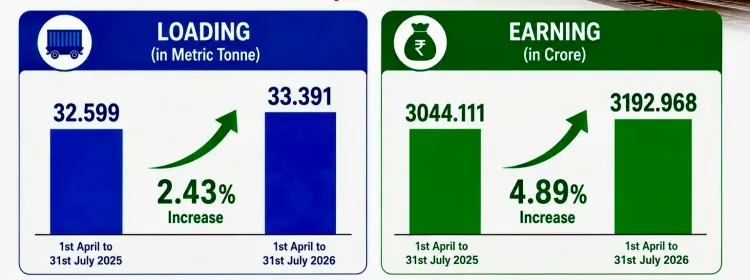
Total freight loading across all commodities grew 2.43% to 33.391 million tonnes .
Overall freight revenue rose 4.89% to ₹3,192.97 crore from ₹3,044.11 crore .
Imported coal is primarily moved to NTPC thermal power plants, supporting uninterrupted electricity supply.
Freight earnings cross-subsidise passenger services, funding track modernisation and station upgrades.
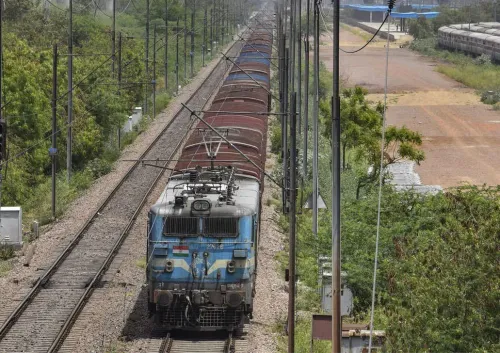
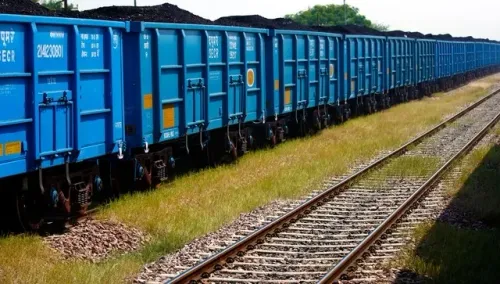
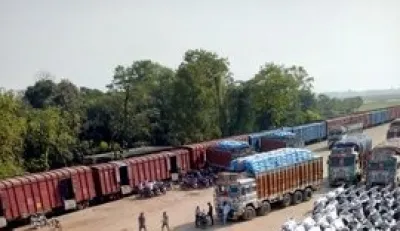
Eastern Railway (ER) recorded a 7.29% rise in coal freight volumes during the first four months of financial year 2026-27, moving 23.14 million tonnes of coal between 1 April 2026 and 31 July 2026, up from 21.567 million tonnes in the same period of the previous year. The surge was driven largely by the movement of imported coal to thermal power plants, underlining the zone's growing role in bulk energy logistics.
Coal Freight: The Key Driver
Imported coal transported to National Thermal Power Corporation (NTPC) thermal power plants formed the backbone of this growth. Earnings from coal freight climbed 13.22% to ₹2,263.20 crore in April–July 2026, compared to ₹1,998.95 crore collected in the corresponding four months of 2025. A senior official noted that this 'underscores ER's expanding market share in bulk energy logistics.'
Overall Freight Performance
Total freight loading across all commodities for the four-month period reached 33.391 million tonnes, up from 32.599 million tonnes in the same window of 2025 — a growth of 2.43%. Overall freight earnings rose to ₹3,192.97 crore from ₹3,044.11 crore, reflecting a revenue increase of 4.89%.
Impact on Power Supply and Local Economy
The consistent coal movement has helped ensure uninterrupted electricity supply to homes and industries across the region. Officials noted that rail transport economics have also contributed to keeping local market prices stable — a downstream benefit that often goes unacknowledged in freight performance reviews.
Freight Revenue Reinvested in Passenger Services
'The additional revenue generated allows ER to spend more on activities such as track modernisations and cleaner, better station facilities for the millions of passengers it carries daily. Hence, there is a correlation between freight movement and passenger services,' a senior official said. Notably, ER — primarily regarded as a passenger-carrying zone — carries a heavily subsidised passenger load that keeps its operating ratio above 100, making freight earnings a critical cross-subsidy lever. Officials said the zone will continue efforts to maximise freight revenue within this structural constraint.
Broader Significance
This is part of a year-over-year growth trajectory that, according to officials, is strengthening industrial supply chains across eastern India. Eastern Railway has expanded freight capacity to support regional industries and deliver tangible economic benefits to local communities. With energy demand unlikely to ease, coal logistics are expected to remain a priority freight segment for the zone through the rest of 2026-27.
Point of View
And freight is the only lever management can pull to fund infrastructure. If coal volumes plateau — whether due to NTPC shifting to renewables or port logistics competition — ER's capital expenditure headroom shrinks fast. The zone's expanding freight capacity is a sound near-term bet, but the long-term energy transition risk to coal-dependent freight revenues deserves more scrutiny than official statements currently offer.
NationPress
20 Sept 2026
Frequently Asked Questions
How much coal did Eastern Railway move in April–July 2026?
Eastern Railway moved 23.14 million tonnes of coal between 1 April 2026 and 31 July 2026, a 7.29% increase from the 21.567 million tonnes carried in the same four-month period of 2025.
What were Eastern Railway's coal freight earnings in 2026?
Coal freight earnings reached ₹2,263.20 crore in April–July 2026, up 13.22% from ₹1,998.95 crore earned in the corresponding period of 2025.
Why is coal movement so important for Eastern Railway?
Imported coal transported to NTPC thermal power plants is the single largest freight commodity for Eastern Railway. It ensures uninterrupted electricity supply to homes and industry while generating revenue that cross-subsidises the zone's heavily subsidised passenger services.
What was Eastern Railway's total freight revenue in April–July 2026?
Total freight earnings across all commodities stood at ₹3,192.97 crore for April–July 2026, up 4.89% from ₹3,044.11 crore in the same period of 2025.
How does freight revenue benefit Eastern Railway passengers?
According to officials, additional freight revenue is reinvested in track modernisation and improved station facilities. Since passenger services are heavily subsidised and keep the operating ratio above 100, freight earnings are the primary source of capital for infrastructure upgrades.