Indian Railways freight hits 145 MT in April-May 2026 despite global headwinds
Synopsis
Despite global supply chain stress from the West Asia conflict, Indian Railways quietly crossed 145 MT in freight loading for April-May 2026 — a 1.3% gain year-on-year. With passenger volumes up to 61 crore in May and 164 Vande Bharat services now running, the national transporter is expanding on both freight and passenger fronts simultaneously.
Key Takeaways
Indian Railways loaded 145 million tonnes of freight in April–May 2026 , up 1.3% year-on-year.
Balance Other Goods segment led growth at 16% ; fertilisers up 6.2% , iron ore up 4.8% , pig iron and finished steel up 3.5% .
Coal loading — the largest freight category — grew by nearly 1% , with priority accorded for thermal power plant supply.
Passenger traffic reached over 61 crore in May 2026 , up from 59 crore a year earlier; non-suburban segment grew 7.4% .
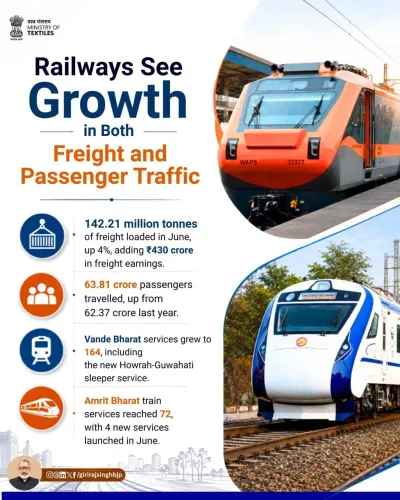
Indian Railways now operates 164 Vande Bharat and 68 Amrit Bharat services, with 3 new Amrit Bharat trains launched in May 2026.
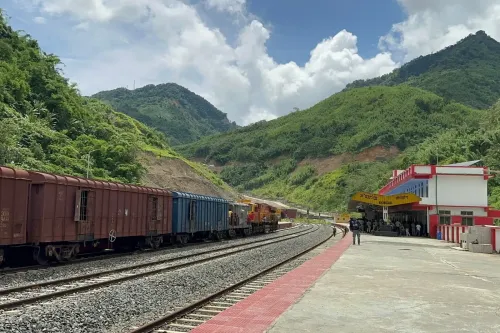
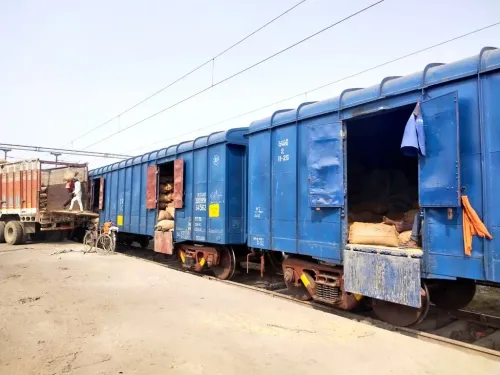
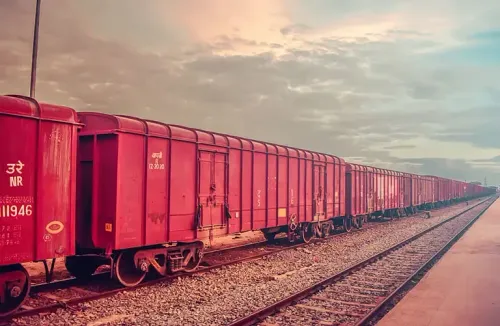
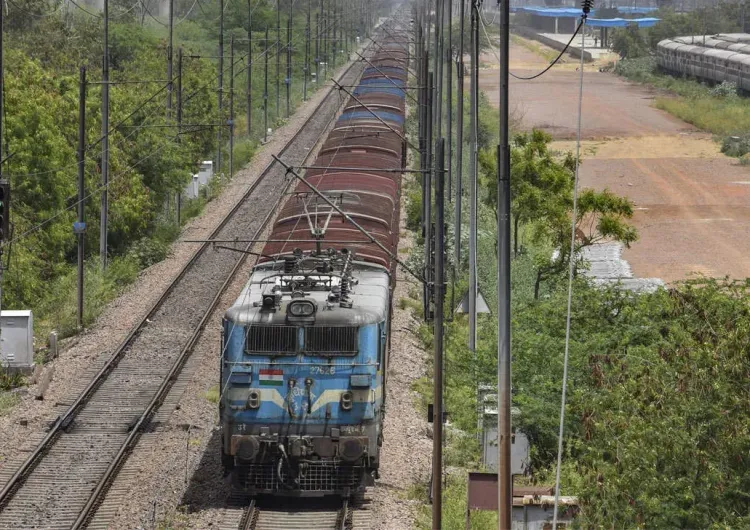
Indian Railways loaded 145 million tonnes (MT) of freight in the first two months of FY 2026–27 (April–May 2026), registering a 1.3% year-on-year increase despite disruptions to global logistics stemming from the West Asia conflict, according to an official statement released on Monday, 1 June 2026. The performance signals continued resilience in rail freight even as supply chains face external pressure.
Key Commodity Segments Drive Growth
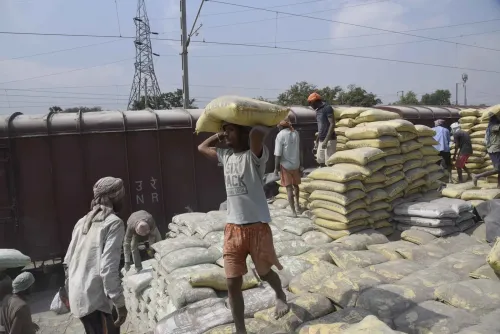
The Balance Other Goods (BOG) segment led all categories with a robust 16% growth over the corresponding period last year. Iron ore loading rose by 4.8%, while pig iron and finished steel recorded a 3.5% increase. Fertilisers posted a healthy 6.2% uptick, reflecting sustained agricultural demand across the country.
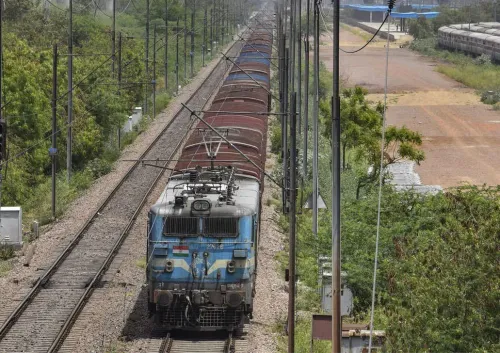
Coal, which continues to account for the single largest share of railway freight traffic, maintained steady momentum with loading rising by nearly 1% over the previous year. Indian Railways accorded priority to coal movement to meet the requirements of thermal power plants and safeguard energy security, closely monitoring transit across the network.
Passenger Traffic Surges in May 2026
On the passenger side, Indian Railways carried over 61 crore passengers in May 2026, up from approximately 59 crore in the same month last year. The non-suburban segment was the primary growth driver, recording a 7.4% rise — with numbers climbing from 28 crore to 30 crore — underscoring the enduring preference for rail travel across both short and long-distance corridors.
To manage the seasonal surge in travel demand, Indian Railways operated a large number of summer special trains across various routes during the period.
Vande Bharat and Amrit Bharat Expansion
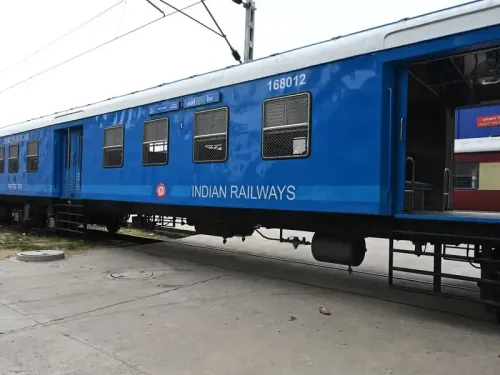
The national transporter is currently operating 164 Vande Bharat services, including the recently introduced Sleeper Vande Bharat on the Howrah–Kamakhya route. The Amrit Bharat fleet has reached 68 services, with three new services inaugurated during May 2026 alone, reflecting accelerated fleet expansion under the current modernisation push.
Container Traffic and Supply Chain Focus
Indian Railways has intensified monitoring of both domestic and EXIM container traffic to facilitate seamless freight movement and support economic activity across regions. Officials stated that continuous operational monitoring and efficient asset utilisation have been central to sustaining growth under challenging global conditions.
With freight loading holding firm, passenger volumes rising, and modern train services expanding, Indian Railways appears on track to consolidate its position as the backbone of the country's transportation network through the remainder of FY 2026–27.
Point of View
But it is modest against the scale of ambition Indian Railways has signalled. The real story is the composition of growth: BOG at 16% and fertilisers at 6.2% suggest that railways is capturing more diverse cargo, not just relying on coal inertia. Coal still dominates the freight mix, and its near-flat growth underlines the structural dependency the network has yet to shed. The simultaneous expansion of Vande Bharat and Amrit Bharat services is a passenger-facing win, but the harder test — whether freight market share grows against road logistics — will only show in full-year numbers.
NationPress
16 Sept 2026
Frequently Asked Questions
How much freight did Indian Railways load in April-May 2026?
Indian Railways loaded 145 million tonnes of freight in April and May 2026, marking a 1.3% increase over the same period in FY 2025–26. Growth was led by the Balance Other Goods segment, iron ore, fertilisers, and finished steel.
How did the West Asia conflict affect Indian Railways freight?
The West Asia conflict created disruptions to global logistics and supply chains that posed headwinds for freight movement. Despite these challenges, Indian Railways maintained positive growth of 1.3% in freight loading during April-May 2026, according to an official statement.
How many passengers did Indian Railways carry in May 2026?
Indian Railways carried over 61 crore passengers in May 2026, compared to approximately 59 crore in the same month the previous year. The non-suburban segment drove the increase, recording a 7.4% rise from 28 crore to 30 crore passengers.
How many Vande Bharat trains are currently operating?
Indian Railways is currently operating 164 Vande Bharat services as of May 2026, including the newly introduced Sleeper Vande Bharat between Howrah and Kamakhya. The Amrit Bharat fleet has also grown to 68 services, with three new trains launched during May 2026.
Which freight segments grew the most in April-May 2026?
The Balance Other Goods segment recorded the highest growth at 16%, followed by fertilisers at 6.2%, iron ore at 4.8%, and pig iron and finished steel at 3.5%. Coal, the largest segment by volume, grew by nearly 1% year-on-year.