Understanding the Spiritual Essence of Eid-ul-Fitr in India
Synopsis
Eid-ul-Fitr signifies the end of Ramadan, celebrated by Muslims worldwide. Despite ongoing conflicts in some regions affecting the festivities, the festival remains a time of gratitude and community bonding. Discover the profound spiritual significance behind this cherished occasion.
Key Takeaways
Eid-ul-Fitr marks the end of Ramadan.
It is a time for gratitude and charity.
Celebrations include prayers and communal meals.
Festivities may vary across regions.
Compassion and unity are central themes.
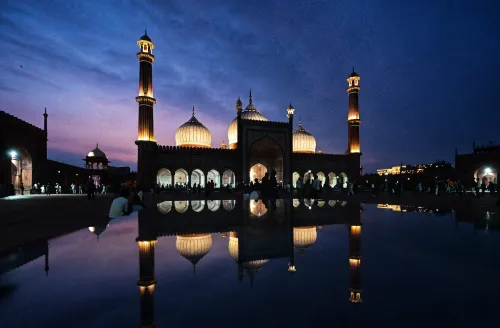
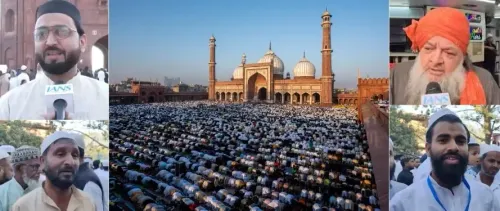
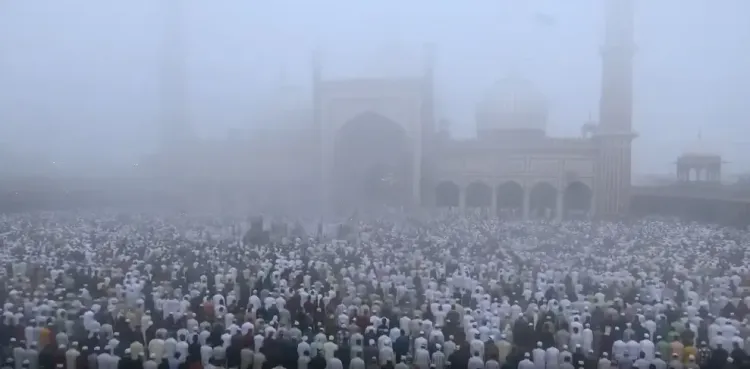
New Delhi, March 21 (NationPress) The observance of Eid-ul-Fitr, which marks the end of the holy month of Ramadan, is taking place among Muslims worldwide, including in India, with prayers, festive meals, and community gatherings today. However, celebrations in certain regions of West Asia are notably subdued this year due to ongoing conflicts, which have cast a pall over the festive atmosphere. Many nations have declared extended public holidays lasting up to four days for this significant occasion.
Ramadan, recognized as the ninth month of the Islamic lunar calendar, is deemed one of the holiest times in Islam. This sacred month commemorates the revelation of the Holy Quran to the Prophet Muhammad by the angel Gabriel. During Ramadan, Muslims fast from dawn until sunset, participate in heightened prayers, and engage in profound spiritual reflection and self-discipline.
Eid-ul-Fitr, often called the "festival of breaking the fast," signifies the conclusion of this month-long devotion and fasting period. The festival is celebrated on the first day of Shawwal, the tenth month in the Islamic calendar, following the sighting of the crescent moon. Due to the lunar calendar's nature and differing weather conditions, the exact date of Eid can vary by location.
The day commences with a special congregational prayer held shortly after sunrise. Unlike the usual daily prayers, this one does not include the standard call to prayer and features additional recitations glorifying God. Before attending the prayer, Muslims are obligated to give charity, ensuring that those less fortunate can also partake in the festivities.
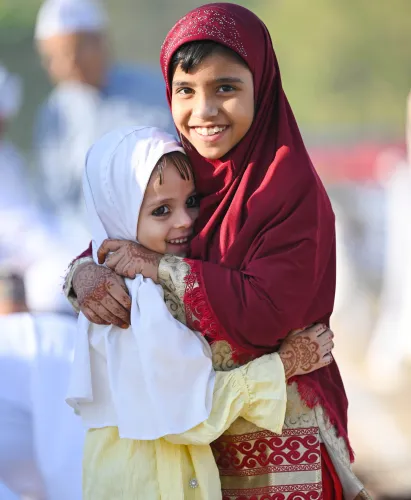
It is a tradition to eat something, often dates, prior to going for the prayers and to don new or their finest attire, reflecting the joyous spirit of the occasion.
Eid-ul-Fitr stands as one of the two principal festivals in Islam, alongside Eid al-Adha. The day is celebrated through both formal and informal gatherings, including family visits, community feasts, and the sharing of greetings and gifts. Families unite to enjoy festive meals, and children typically receive presents and money, contributing to the celebratory mood.
Although Eid is officially celebrated for a single day, festivities in several countries can extend up to three days, often accompanied by public holidays. These additional days allow people to relax, reconnect with loved ones, and celebrate the successful completion of Ramadan. In many nations, governments have declared multiple days off to enable citizens to fully engage in the festivities.
Despite the joy usually associated with Eid, the ongoing conflicts in parts of West Asia have led to more muted celebrations in affected areas. Many families are observing the festival with a sense of restraint, mindful of the difficult circumstances faced by communities impacted by war.
Historically, Eid-ul-Fitr was initiated by Prophet Muhammad in 624 CE in Madinah after completing the first Ramadan fast post-Hijra. Upon arriving in Madinah, he discovered that people were celebrating certain days with festivities and subsequently established Eid-ul-Fitr and Eid al-Adha as the two official Islamic festivals.
Beyond the celebrations, Eid-ul-Fitr embodies profound spiritual importance. It serves as a moment for expressing gratitude to Allah for the strength to complete the fast and for the blessings received. The festival emphasizes compassion, motivating individuals to remember and assist those less privileged. Acts of charity, kindness, and community solidarity remain at the heart of this observance.
As millions around the globe commemorate this occasion, Eid-ul-Fitr continues to symbolize faith, unity, and generosity, even as global circumstances influence the scale and nature of celebrations in different regions.
Point of View
Eid-ul-Fitr represents a vital cultural moment for millions in India and around the world. While celebrations may be overshadowed by ongoing conflicts in some regions, the essence of Eid remains intact—a time for reflection, community, and compassion.
NationPress
23 Sept 2026
Frequently Asked Questions
What is Eid-ul-Fitr?
Eid-ul-Fitr is an Islamic festival that marks the end of Ramadan, a month of fasting, prayer, and reflection.
Why is Eid-ul-Fitr significant?
Eid-ul-Fitr holds spiritual importance as it is a time to express gratitude to Allah and to emphasize acts of charity and compassion.
How is Eid-ul-Fitr celebrated?
Celebrations include communal prayers, festive meals, giving charity, and spending time with family and friends.
When does Eid-ul-Fitr occur?
Eid-ul-Fitr occurs on the first day of Shawwal, the month following Ramadan, determined by the sighting of the crescent moon.
What traditions are associated with Eid-ul-Fitr?
Traditions include wearing new clothes, sharing meals, exchanging gifts, and performing special prayers.