Env Minister Yadav: Cheetah KOMG 3 births 4 cubs in wild
Synopsis
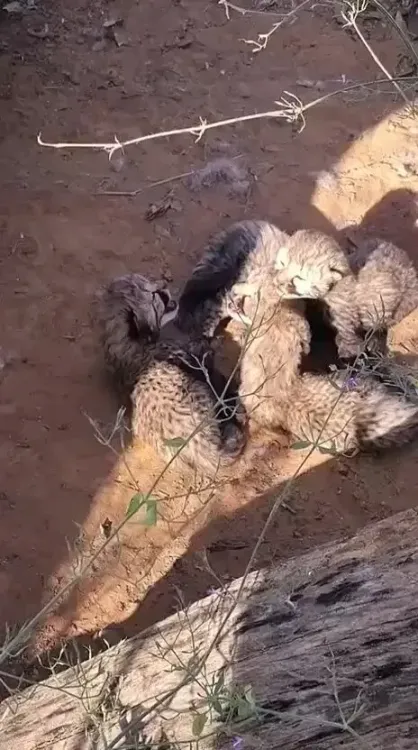
Cheetah KOMG 3, a Botswana-origin female, has given birth to four healthy cubs in the wild — the second recorded wild birth under Project Cheetah since 2022 — pushing India's total cheetah population to 62, with 43 Indian-born individuals.
Key Takeaways
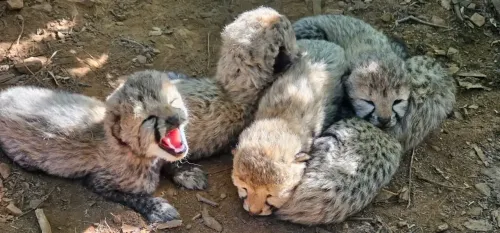
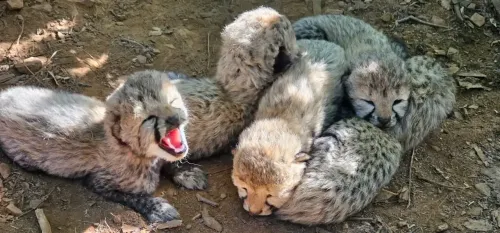
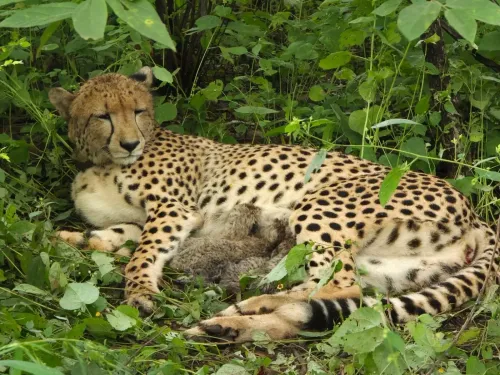
KOMG 3 , a two-and-a-half-year-old female cheetah from Botswana , gave birth to four healthy cubs in the wild on November 20, 2026 .
She is the first female cheetah from Botswana to give birth in India and had spent more than four months in the wild before giving birth.
This is the second recorded wild birth under Project Cheetah , which began in 2022 .
India's total cheetah population now stands at 62 , including 43 Indian-born individuals .
Union Environment Minister Bhupender Yadav credited the milestone to managers, veterinarians, and frontline forest staff working on the project.
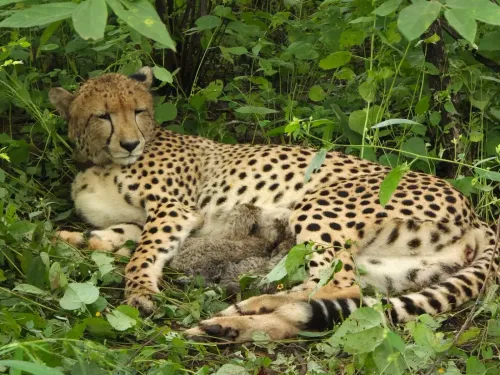
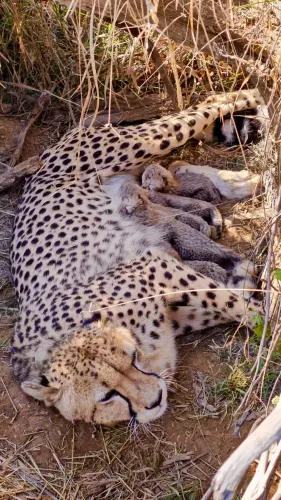
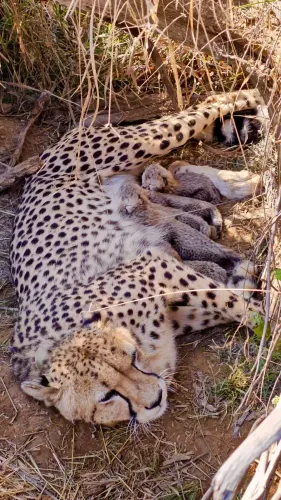
Four tiny heartbeats in the Indian wilderness mark a moment conservationists have been working toward since cheetahs vanished from the subcontinent decades ago. Union Environment Minister Bhupender Yadav announced on Friday, November 20 that KOMG 3, a two-and-a-half-year-old female cheetah originally from Botswana, has given birth to four healthy cubs in the wild — the second recorded wild birth since Project Cheetah began in 2022.
Who is KOMG 3, and why this birth matters
KOMG 3 is not just any cheetah. She is the first female cheetah from Botswana to give birth on Indian soil, and she did so after spending more than four months roaming freely in the wild — no enclosure, no human assistance at the moment of birth. That detail is the conservationist's gold standard: a wild animal, in natural conditions, reproducing on its own terms.
Minister Yadav described it as 'a landmark moment for Project Cheetah and a proud milestone in India's journey towards restoring a viable cheetah population.' With these four new arrivals, India's total cheetah population now stands at 62, of which a remarkable 43 are Indian-born individuals — a figure that signals the programme is beginning to generate its own momentum.
Project Cheetah's arc from 2022 to today
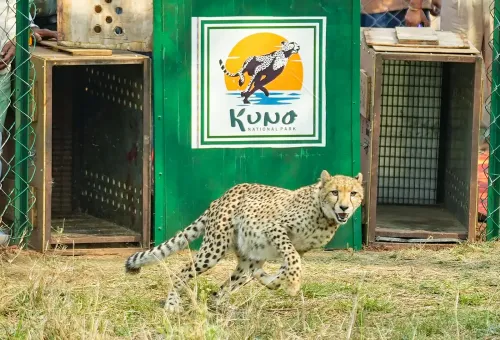
Project Cheetah was launched in 2022 under a bilateral conservation partnership with African range states, bringing cheetahs — a species declared extinct in India in the mid-20th century — back to Kuno National Park in Madhya Pradesh. The reintroduction strategy has always been built on a long game: bring animals, monitor them intensively, let natural behaviour re-establish itself, and wait for the ecosystem to begin doing what ecosystems do.
The first wild birth under the programme set the template. This second birth — from a Botswana-origin female who has now fully integrated into wild life — deepens the evidence that the strategy is working beyond the controlled phase. The growing share of Indian-born cheetahs in the total population is exactly the trajectory the programme's designers aimed for.
The people behind the milestone
Minister Yadav was deliberate in crediting the people on the ground. 'Behind this milestone lie countless hours of dedication, commitment and hard work by the managers, veterinarians, frontline forest staff and everyone working tirelessly for the success of Project Cheetah,' he wrote. It is a reminder that headline numbers — 62 cheetahs, 43 Indian-born — rest on the unglamorous work of field teams tracking animals through heat and forest, night after night.
India's broader biodiversity agenda has increasingly leaned on species reintroduction as a tool, and the cheetah project has been its most watched experiment. Every wild birth sharpens the argument that reintroduction, done with patience and international cooperation, can succeed even for a large apex predator.
What conservationists will watch next
The survival rate of the four new cubs through their first months will be the immediate test — cub mortality in the wild is high, and each individual now matters enormously in a population of 62. Watchers of the programme will also look for signals about whether cheetah range is expanding beyond Kuno, and whether additional births from other females follow in the coming seasons.
Sixty-two cheetahs in a country of 1.4 billion people is still a fragile foothold. But a two-and-a-half-year-old from Botswana, giving birth under an open Indian sky, is exactly the kind of evidence that keeps a conservation programme alive.
Point of View
This is conservation politics as much as conservation science — a flagship reintroduction that PM Modi personally launched in 2022 now producing verifiable results ahead of a period of continued international climate and biodiversity scrutiny. The harder question — whether India's habitat base can sustain a truly self-sustaining cheetah population beyond Kuno — remains open.
NationPress
20 Nov 2026
Frequently Asked Questions
How many cheetahs are there in India now?
As of November 2026, India's cheetah population stands at 62 , including 43 Indian-born individuals , following the birth of four cubs by KOMG 3.
When did Project Cheetah start?
Project Cheetah began in 2022 with the reintroduction of African cheetahs into Kuno National Park in Madhya Pradesh, aiming to restore a species extinct in India since the mid-20th century.
How many wild births have happened under Project Cheetah?
This is the second recorded wild birth under Project Cheetah since the reintroduction programme began in 2022.
Where are India's reintroduced cheetahs kept?
The primary site for India's cheetah reintroduction is Kuno National Park in Madhya Pradesh, where animals are monitored after release into the wild.