CM Himanta Calls EU Travel Advisory Lift a Historic Win for Assam
Synopsis
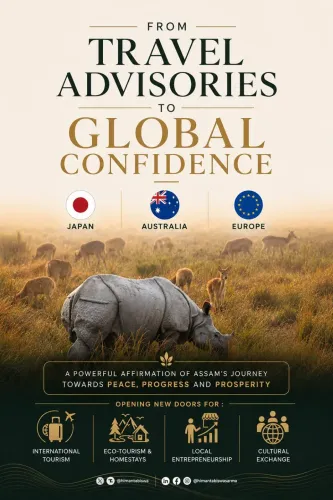
Chief Minister Himanta Biswa Sarma hailed the EU's withdrawal of its travel advisory on most of Assam as a historic milestone, announcing a dedicated digital homestay platform and calling on stakeholders to promote the state's culture and natural beauty to global audiences.
Key Takeaways
The European Union has withdrawn its travel advisory on most parts of Assam , which CM Dr.
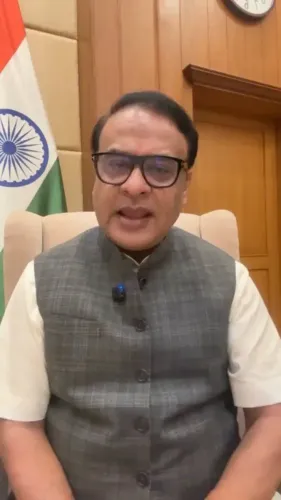
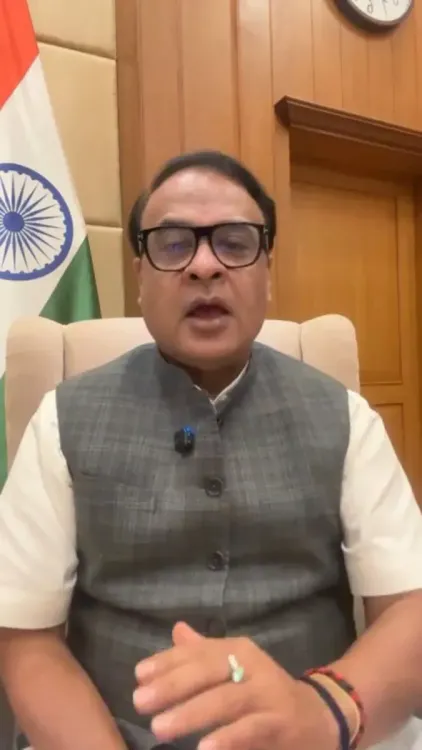
Himanta Biswa Sarma called a 'historic milestone.' The announcement was made during a Facebook Live session on 20 June 2026 .
CM Sarma said the decision will open new avenues for tourism, investment, and international engagement .
The government plans to launch a dedicated digital platform for homestays across Assam to attract global travellers.
The advisory lift follows years of security stabilisation, including the landmark 2020 Bodo Peace Accord .
Citizens and tourism stakeholders were urged to actively promote Assam's culture, cuisine, and natural beauty to international audiences.
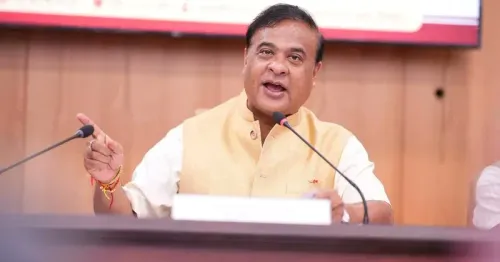
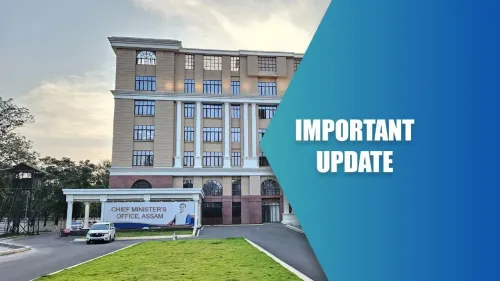
The Chief Minister's Office of Assam announced on Saturday, 20 June 2026 that Chief Minister Dr. Himanta Biswa Sarma described the European Union's withdrawal of its travel advisory on most parts of Assam as a 'historic milestone' during a Facebook Live address, signalling growing international confidence in the state's peace and stability.
Context
Speaking directly to citizens via the live session, Dr. Sarma framed the EU's decision as a formal recognition of Assam's transformation from a conflict-affected region into a safe and investable destination. He said the move 'will create new opportunities for tourism, investment and international engagement.' The Chief Minister urged citizens and tourism stakeholders to actively promote Assam's culture, cuisine, and natural beauty to global audiences.
The EU, a bloc whose member states issue coordinated travel advisories based on security, health, and political risk assessments, had maintained cautionary guidance on parts of Assam for years, reflecting the state's earlier history of ethnic insurgencies. The withdrawal of that advisory is seen as a significant diplomatic and reputational shift for the state.
Policy Backdrop
The advisory lift follows years of security stabilisation in Assam and the broader Northeast. The landmark 2020 Bodo Peace Accord ended major insurgency in the Bodoland Territorial Region, and successive peace deals through the 2010s and early 2020s sharply reduced militant incidents across the region. These developments allowed the state government to pivot from security-centric governance toward economic branding and tourism infrastructure.
Assam has aligned its tourism strategy with India's Act East Policy, emphasising homestays and grassroots hospitality as pillars of rural economic development. The state's biodiversity assets — including Kaziranga National Park, the Brahmaputra river corridor, and its globally recognised tea estates — have formed the backbone of these promotional efforts. The EU advisory withdrawal now removes a formal barrier that had discouraged European travellers and investors from engaging with the state.
Stakeholders and Impact
The tourism industry, foreign investors, and local communities stand to benefit most directly. European visitors, who tend to be high-spend travellers with interest in wildlife and cultural tourism, represent a significant untapped market for Assam. Homestay operators in rural and semi-urban areas are expected to see increased demand as international arrivals grow.
To channel this opportunity, Dr. Sarma announced plans to strengthen tourism infrastructure, including the launch of a dedicated digital platform for homestays across the state. The platform is intended to give international travellers a structured, accessible way to discover and book community-based accommodation, bringing Assam's grassroots hospitality sector into the global digital marketplace.
What's Next
The immediate focus will be on the rollout timeline and adoption metrics of the announced homestay digital platform, which will be a key measure of whether the government can convert the advisory lift into tangible tourism revenue. Industry observers will also watch for follow-up engagement from European trade or tourism delegations seeking to explore investment and partnership opportunities in the state.
For Assam and the wider Northeast, the development reinforces a broader national effort to integrate the region more deeply into international economic and cultural circuits. If the momentum is sustained, the state could emerge as a model for how post-conflict regions in India leverage peace dividends to attract global attention and investment.
Point of View
The Chief Minister is clearly targeting a domestic audience, framing the development as a personal governance achievement ahead of any future electoral cycle. The homestay platform announcement is a smart policy accompaniment: it signals that the government is ready to operationalise the opportunity, not just celebrate it. More broadly, this fits a wider Northeast India pattern where peace dividends are being converted into tourism and investment narratives, with state governments competing to attract the first wave of post-advisory international attention.
NationPress
19 Sept 2026
Frequently Asked Questions
Why did the EU withdraw its travel advisory on Assam?
The EU withdrew its travel advisory on most parts of Assam reflecting improved peace and security conditions in the state, following years of reduced militant activity and peace accords including the 2020 Bodo Peace Accord.
What did CM Himanta Biswa Sarma announce about tourism in Assam?
CM Himanta Biswa Sarma announced plans to strengthen tourism infrastructure, including a dedicated digital platform for homestays across Assam, to help the state attract international visitors.
What is the significance of the EU travel advisory lift for Assam?
The lift removes a formal barrier that had discouraged European travellers and investors from engaging with Assam, opening new opportunities for high-spend tourism, foreign investment, and international partnerships.
What is the Bodo Peace Accord and how does it relate to Assam's tourism push?
The 2020 Bodo Peace Accord ended major insurgency in the Bodoland Territorial Region of Assam, contributing to the broader security stabilisation that has enabled the state to pivot toward tourism and economic development.
How can tourists visit Assam and what are its main attractions?
Assam is home to Kaziranga National Park, the Brahmaputra river, renowned tea estates, and rich cultural heritage. The state government is developing a digital homestay platform to make community-based accommodation more accessible to international visitors.