Amit Shah: DBT ensures every rupee from Delhi reaches the poor directly
Synopsis
Home Minister Amit Shah used the launch of the PM Family Care Tracker in Gandhinagar to make a pointed political contrast: where a former PM once admitted only 15 paise of every rupee reached the poor, Shah claims DBT now delivers the full 100 paise. The new digital platform extends that ambition from cash transfers to health and nutrition tracking for mothers and children.
Key Takeaways
Home Minister Amit Shah launched the PM Family Care Tracker (PM-FCT) pilot and Health Passports in Gandhinagar on 28 June .
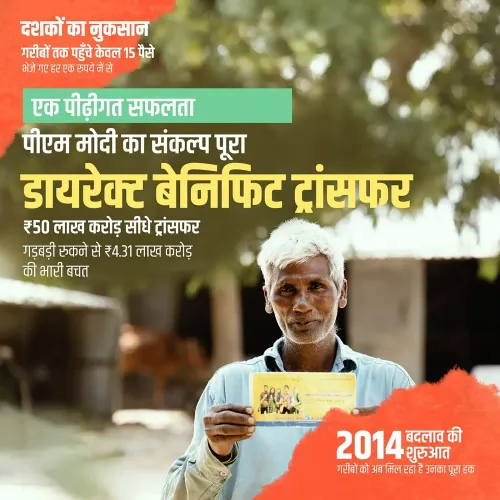
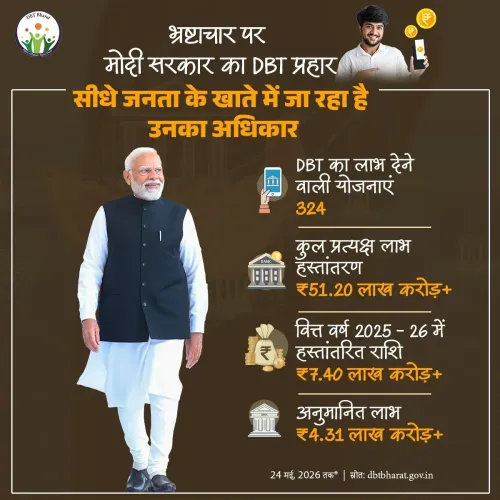
Shah asserted that DBT under PM Modi ensures 100 paise of every rupee reaches beneficiaries directly, eliminating intermediary leakages.
He contrasted this with a former PM's admission that only 15 paise of every rupee sent from Delhi reached the poor.
Shah cited firsthand observations from Purvanchal, Uttar Pradesh , describing extreme deprivation including lack of homes, electricity, toilets, water, and healthcare.
The PM-FCT is a digital platform integrating welfare databases to track health, nutrition, education, and social welfare delivery for mothers and children .
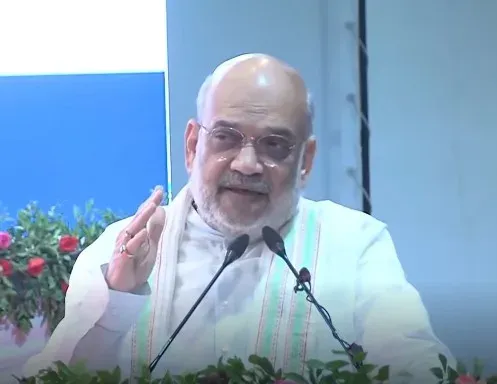
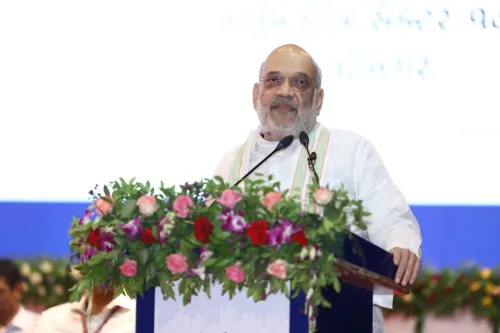
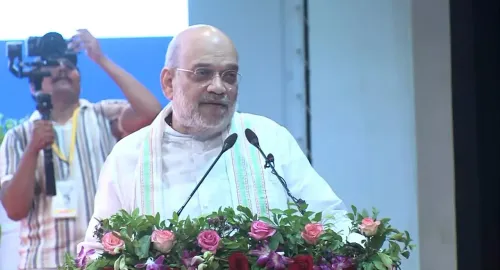
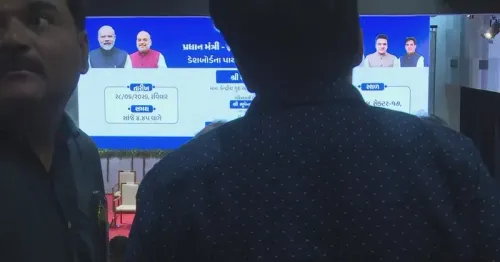
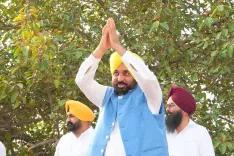
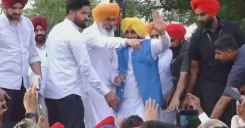
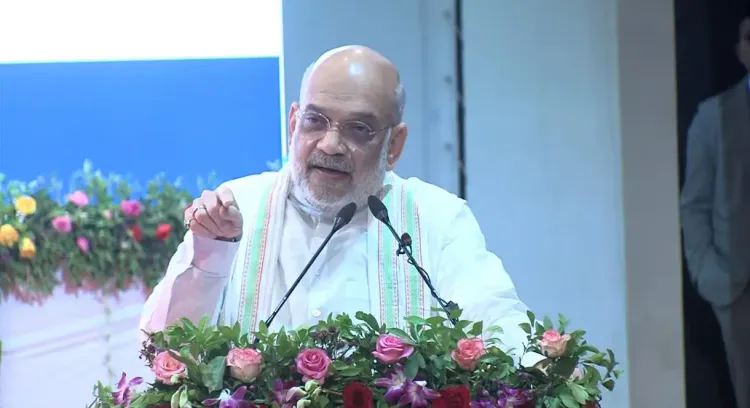
Union Home Minister Amit Shah on Sunday, 28 June asserted that the Direct Benefit Transfer (DBT) system introduced under Prime Minister Narendra Modi has completely eliminated leakages in welfare delivery, ensuring that every rupee allocated by the Centre reaches beneficiaries directly into their bank accounts. Shah made the remarks while addressing a public gathering in Gandhinagar after launching the PM Family Care Tracker (PM-FCT) pilot project and Health Passports.
The Contrast Shah Drew
The Home Minister invoked a widely cited remark by a former Prime Minister to underscore the transformation. 'There was a time when the Prime Minister of the country admitted that if he sent one rupee from Delhi, only 15 paise reached the poor, while 85 paise disappeared in between,' Shah said, referring to the leakages that had historically plagued welfare schemes.
He contrasted that era sharply with the present. 'Today, as the Union Home Minister and as a Member of Parliament, I can look everyone in the eye and say that when PM Modi sends one rupee, the entire one rupee is transferred directly into the poor person's bank account,' he said.
How DBT Changed Welfare Delivery
According to Shah, the DBT architecture has ushered in what he described as 'a new era of welfare for the poor' by routing benefits directly into recipients' bank accounts, bypassing intermediaries who had previously siphoned off a significant portion of government assistance. The system integrates beneficiary identification, bank linkage, and real-time transfer to eliminate human intervention at the point of delivery.
Shah added: 'Today, if one rupee is sent from Delhi, the full 100 paise reaches the beneficiary's bank account.'
Shah's Firsthand Account of Poverty
The Home Minister said he had personally witnessed severe deprivation while travelling through the Purvanchal region of eastern Uttar Pradesh before the change in government. 'It is not that there is no poverty in Gujarat. But when I travelled to the Purvanchal region of Uttar Pradesh, I experienced what extreme poverty truly means,' he said.
Describing conditions he encountered, Shah said many families lacked houses, electricity, toilets, piped water, and access to healthcare. 'People had no homes. If there were no home, there could be no electricity. There were countless houses without toilets. Even where there was a hut, there was no water supply inside,' he said. He added that medical treatment was out of reach for many, and mothers had no recourse but to pray when children fell ill.
PM Family Care Tracker: What Was Launched
The PM Family Care Tracker (PM-FCT), launched on Sunday in Gandhinagar, is a digital platform that integrates multiple welfare databases to improve monitoring and delivery of health, nutrition, education, and social welfare schemes — specifically targeting mothers and children. The pilot also saw the rollout of Health Passports, aimed at giving families a unified record of their welfare entitlements and health data.
The launch positions the PM-FCT as a technology-driven extension of the DBT philosophy — moving from cash transfer efficiency to comprehensive service delivery tracking. As the pilot expands, its ability to bridge last-mile gaps in health and nutrition outcomes will be closely watched.
Point of View
Independent audits have also flagged exclusion errors: genuine beneficiaries locked out due to Aadhaar mismatches or dormant accounts. The claim that zero leakage now exists is a political assertion, not a verified outcome. The PM-FCT launch is the more substantive story — if it delivers on integrated tracking, it could address the quieter failure of welfare architecture: benefits transferred but services not received.
NationPress
28 Jun 2026
Frequently Asked Questions
What is the PM Family Care Tracker (PM-FCT) launched in Gandhinagar?
The PM Family Care Tracker is a digital platform launched on 28 June in Gandhinagar that integrates multiple government welfare databases to monitor and improve delivery of health, nutrition, education, and social welfare schemes for mothers and children. It was launched as a pilot alongside Health Passports by Home Minister Amit Shah.
What did Amit Shah say about DBT and welfare leakages?
Shah said that under PM Modi's DBT system, the full 100 paise of every rupee sent from Delhi now reaches the beneficiary's bank account directly, eliminating intermediaries. He contrasted this with a former Prime Minister's admission that only 15 paise of every rupee previously reached the poor.
Which former Prime Minister's remark did Amit Shah reference?
Shah referenced a widely cited statement by a former Prime Minister of India who had acknowledged that only 15 paise of every rupee allocated for welfare actually reached the poor, with 85 paise lost to leakages. Shah did not name the former PM explicitly in his remarks.
What are Health Passports and who do they benefit?
Health Passports, launched alongside the PM-FCT pilot in Gandhinagar, are unified digital records that consolidate a family's welfare entitlements and health data in one place. They are designed to improve access to government health and social welfare schemes, particularly for mothers and children.
Why did Amit Shah mention Purvanchal in his speech?
Shah cited his personal travel through the Purvanchal region of eastern Uttar Pradesh to illustrate the severity of poverty that existed before the current government's welfare reforms — describing families without homes, electricity, toilets, piped water, or access to medical care.