Ex-IB Chief Tapan Deka joins PM Modi's exam reform task force
Synopsis
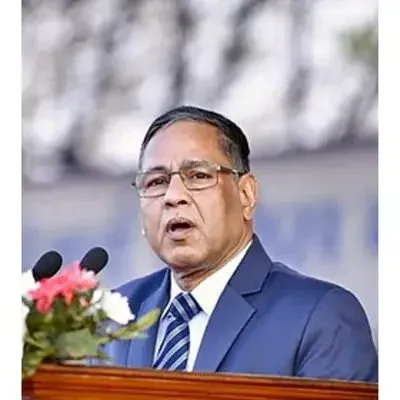
Former Intelligence Bureau Director Tapan Deka of Assam has been named to a High-Powered Task Force set up by Prime Minister Narendra Modi to restore transparency and security in India's competitive examination system, following the 2024 NEET and UGC-NET paper-leak controversies.
Key Takeaways
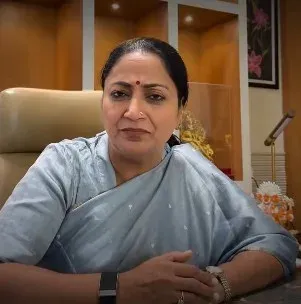
Tapan Deka , former Chief of the Intelligence Bureau , has been appointed to PM Modi's High-Powered Task Force on competitive exam reforms.
The task force is mandated to ensure transparency, security and public trust in India's national competitive examination system.
The appointment follows major paper-leak scandals in NEET-UG and UGC-NET in 2024 that triggered nationwide protests.
Parliament enacted the Public Examinations (Prevention of Unfair Means) Act, 2024 in response to those controversies.
The Union government's approach embeds intelligence and security expertise into education governance — a cross-sectoral model also used in digital infrastructure reforms.
Recommendations from the task force are expected to shape NTA protocols ahead of the 2027 examination cycle .
The Chief Minister's Office of Assam announced on Tuesday, 28 July 2026 that Tapan Deka, former Director of India's Intelligence Bureau (IB), has been appointed to a High-Powered Task Force constituted by Prime Minister Narendra Modi to overhaul the integrity and security of India's national competitive examination system.
Context
The CMO Assam post described Deka as a 'distinguished security expert' and framed the appointment as 'Assam's expertise at the center of national exam reforms' — positioning the state's professional talent as a contributor to a national policy priority. The task force has been charged with ensuring 'transparency, security and trust' in India's competitive examination ecosystem.
Tapan Deka served as the chief of the Intelligence Bureau, India's premier domestic intelligence agency, before his retirement. His background in threat assessment and internal security is seen as directly relevant to plugging confidentiality breaches in high-stakes examinations.
Policy Backdrop
The task force emerges from sustained pressure on the Union government following a series of paper-leak incidents — most notably in NEET-UG and UGC-NET in 2024 — that triggered nationwide protests by students and demands for structural reform. Parliament responded with the Public Examinations (Prevention of Unfair Means) Act, 2024, which introduced criminal penalties for paper leaks and malpractices.
The National Testing Agency (NTA), set up in 2018 to standardise the conduct of major entrance examinations, came under intense scrutiny during those controversies. The National Education Policy 2020 had earlier called for a comprehensive overhaul of examination patterns to reduce coaching dependence and improve institutional transparency.
The Union government's move to embed a former intelligence chief in this task force reflects an emerging approach that treats examination confidentiality as an internal-security challenge, not merely an administrative one.
Stakeholders and Impact
Millions of competitive exam aspirants — from medical entrance candidates to civil services hopefuls — stand to be most directly affected by the task force's eventual recommendations. State and central education boards, as well as exam-conducting agencies such as the NTA, will be expected to implement any revised protocols.
For Assam, the appointment carries symbolic weight: it signals that expertise from the northeastern state is being drawn upon for national institution-building, a point the CMO chose to highlight prominently in its communication.
What's Next
Observers will watch closely for the task force's interim and final recommendations, which could lead to amendments in NTA operational guidelines or further strengthening of the Public Examinations (Prevention of Unfair Means) Act, 2024. New security protocols, if adopted, are expected to be tested ahead of the 2027 examination cycle. The broader pattern of cross-sectoral task forces — combining security, administrative, and education expertise — suggests the government intends to treat exam reform as a systemic, long-term project rather than a one-off fix.
Point of View
Not merely a bureaucratic one. This follows a pattern established after the 2024 paper-leak crisis, where administrative fixes alone failed to restore public confidence. For Assam, the appointment is a soft-power moment — the CMO's framing of it as the state's 'expertise at the center of national reforms' is a conscious effort to project northeastern institutional talent onto the national stage. The task force's real test, however, will be whether its recommendations translate into enforceable, technology-backed protocols before the next major examination cycle.
NationPress
28 Jul 2026
Frequently Asked Questions
Who is Tapan Deka and why has he been appointed to the exam reform task force?
Tapan Deka is a former Director of India's Intelligence Bureau, the country's premier domestic intelligence agency. He has been appointed to the High-Powered Task Force constituted by Prime Minister Narendra Modi because his background in internal security and threat assessment is considered directly relevant to preventing paper leaks and ensuring confidentiality in national competitive examinations.
What is PM Modi's High-Powered Task Force on competitive exams?
It is a committee appointed by Prime Minister Narendra Modi to recommend measures that ensure transparency, security and public trust in India's competitive examination system. The task force was constituted following widespread concerns over paper leaks and malpractice, particularly in NEET-UG and UGC-NET examinations in 2024.
What triggered the demand for exam reforms in India?
A series of paper-leak incidents in high-stakes examinations — most notably NEET-UG and UGC-NET in 2024 — triggered nationwide student protests and parliamentary debate, leading to the Public Examinations (Prevention of Unfair Means) Act, 2024 and the formation of reform task forces.
What is the Public Examinations (Prevention of Unfair Means) Act, 2024?
It is a law enacted by the Indian Parliament that introduced criminal penalties, including imprisonment and fines, for paper leaks, impersonation and other malpractices in public competitive examinations. It was a direct legislative response to the 2024 examination controversies.
How does Assam's connection to this appointment matter?
Tapan Deka is from Assam, and the Chief Minister's Office of Assam highlighted the appointment as evidence of the state's expertise contributing to national policy. It reflects a broader effort to project northeastern India's institutional talent in central government bodies and commissions.