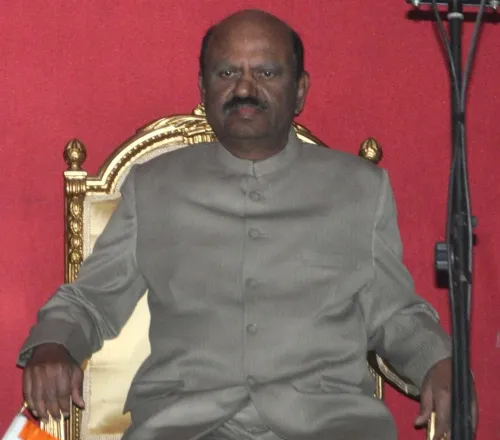
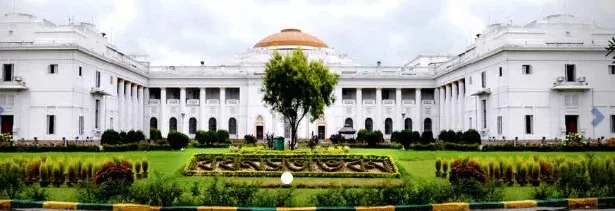
West Bengal Assembly extended session opens to debate 13 departmental budgets
Synopsis
West Bengal's new government is using the extended Budget Session — running through 25 July — to publicly debate 13 departmental allocations, a practice its Cabinet openly says was suppressed under the previous TMC regime. The home department gets three full hours on 22 July, with CM Suvendu Adhikari personally delivering the concluding reply — a political signal as much as a procedural one.
Key Takeaways
The West Bengal Assembly's extended Budget Session runs from 21 to 25 July 2025 , covering 13 state departments .
Day one focuses on health , panchayat affairs , rural development , and transport budgets.
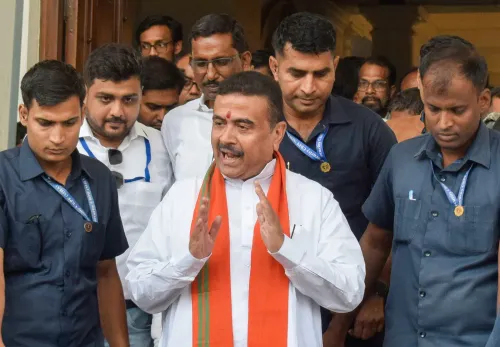
The state home department receives the longest debate slot — 3 hours on 22 July — with Chief Minister Suvendu Adhikari giving the final reply.
A Cabinet minister said departmental budget debates were routinely guillotined under the previous TMC government led by Mamata Banerjee .
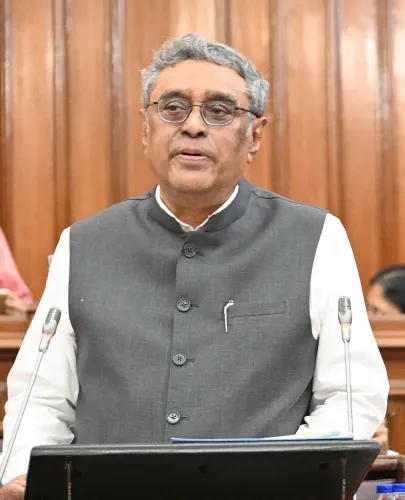
Finance Minister Swapan Dasgupta has announced that CAG reports will henceforth be tabled in the Assembly — a practice reportedly abandoned under the previous administration.
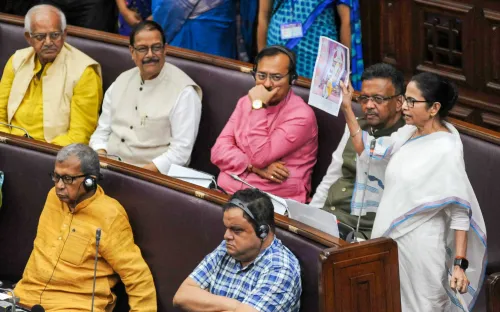
The West Bengal Legislative Assembly's extended Budget Session commenced on Monday, 21 July 2025, with legislators set to scrutinise budgetary allocations across 13 state government departments through 25 July. The session marks a deliberate policy shift by the new state government toward greater parliamentary transparency after years of what critics describe as opaque fiscal management under the previous administration.
How the Session Is Structured
Proceedings opened with a 'mentions phase', allowing legislators to briefly flag urgent local issues, constituency concerns, and matters of public importance before the House. The first day's substantive discussions cover budget allocations for the state health, panchayat affairs, rural development, and transport departments. Departmental ministers are required to participate and respond directly to legislators' queries during each round of discussion.
Home Department Gets Maximum Floor Time
The single largest allocation of debate time — a full three hours on 22 July — has been reserved for the state home department, according to an official from the Assembly secretariat. Chief Minister Suvendu Adhikari is scheduled to deliver the concluding reply on the home department's budgetary demands, signalling the political weight the new government attaches to that portfolio.
A Break from the 'Guillotine' Era
An unnamed Cabinet minister drew a sharp contrast with the previous Trinamool Congress (TMC) government's legislative record. 'During the last 15 years of the Trinamool Congress regime from 2021 to 2026, instances of discussions on departmental budgetary allocations were rare,' the minister said. 'In most cases, the proposals on departmental budgetary allocations, especially those departments directly controlled by the previous Chief Minister, Mamata Banerjee, were guillotined without being discussed on the floor of the House.'
A budget guillotine is a parliamentary procedure that fast-tracks approval of public spending by putting all remaining ministry-wise Demands for Grants to a single vote without further debate. While the mechanism is a legitimate tool when legislative time is scarce, critics argue its repeated use by the previous dispensation effectively shut out Opposition scrutiny of key expenditure decisions.
The minister added that the new government wants 'absolute transparency' so that Opposition legislators can also contribute suggestions — a stance that, if sustained, would represent a meaningful departure from recent Assembly practice.
CAG Reports to Return to the House
The transparency push extends beyond the budget session itself. State Finance Minister Swapan Dasgupta — a journalist-turned-politician — recently announced that the new government will henceforth table reports of the Comptroller and Auditor General (CAG) of India on the floor of the West Bengal Assembly. According to reports, CAG reports were routinely sidelined during the Mamata Banerjee-led administration, a practice that drew sustained criticism from fiscal accountability advocates.
What to Watch Through 25 July
With 13 departments to be examined over five days, the session is one of the more intensive legislative exercises the Assembly has undertaken in recent years. The home department debate on 22 July is expected to draw the sharpest political exchanges, given its direct relevance to law-and-order concerns that featured prominently in the last state election campaign. How robustly Opposition legislators use the newly restored floor time will be an early indicator of whether the transparency commitment translates into substantive accountability.
Point of View
But the real test is whether it becomes institutionalised or remains a one-session showcase. The previous government's routine use of the guillotine on its own departments — particularly those under the Chief Minister — was a democratic deficit that rarely received the national attention it deserved. The CAG tabling commitment is equally telling: audit reports are the sharpest accountability tool a legislature holds, and sidelining them for years effectively blinded the House to fiscal irregularities. Whether the new government sustains both commitments when its own departments face uncomfortable questions will determine if this is a genuine reset or a political contrast exercise.
NationPress
21 Jul 2026
Frequently Asked Questions
What is the West Bengal Assembly extended Budget Session about?
It is a five-day legislative session running from 21 to 25 July 2025, during which the West Bengal Assembly will debate budgetary allocations for 13 state government departments. Departmental ministers are required to respond to legislators' queries during each discussion.
Which department gets the most debate time, and why?
The state home department has been allocated the maximum time — three hours on 22 July — with Chief Minister Suvendu Adhikari scheduled to deliver the concluding reply. The home portfolio's direct bearing on law and order makes it the most politically sensitive item on the session's agenda.
What is a budget guillotine, and why is it controversial in West Bengal?
A budget guillotine is a parliamentary procedure that approves all remaining ministry-wise spending demands in a single vote without debate. A Cabinet minister from the new government stated that the previous TMC administration repeatedly used this mechanism — particularly for departments controlled by former Chief Minister Mamata Banerjee — effectively preventing legislative scrutiny of public expenditure.
What change has Finance Minister Swapan Dasgupta announced regarding CAG reports?
Finance Minister Swapan Dasgupta has announced that the new West Bengal government will table Comptroller and Auditor General (CAG) of India reports on the floor of the Assembly. According to reports, this practice was not followed under the previous Mamata Banerjee-led government.
Who is Suvendu Adhikari and what is his role in this session?
Suvendu Adhikari is the Chief Minister of West Bengal under the new state government. He is scheduled to personally deliver the concluding reply during the home department budget debate on 22 July, the session's most closely watched discussion.