CM Fadnavis Backs SC Sub-Classification to Reach Most Deprived
Synopsis
Maharashtra CM Devendra Fadnavis has declared the state government's unanimous position to sub-classify Scheduled Caste reservations in line with the Supreme Court's August 2024 ruling, aiming to extend benefits to SC communities that have so far been left out.
Key Takeaways
CM Devendra Fadnavis announced on 29 September 2026 that Maharashtra will pursue SC sub-classification unanimously.
The move is anchored in the Supreme Court of India's August 2024 ruling that overruled the 2004 E.V.
Chinnaiah judgment and permitted states to sub-classify SCs.
The stated goal is to ensure SC communities that have historically received little or no reservation benefit are included.
Fadnavis used both Marathi and Hindi to communicate the position, signalling a broad audience across Maharashtra .
The emphasis on 'unanimous' support suggests the government is pre-empting political opposition to the reform.
Implementation details — legislative instrument, sub-category criteria, empirical data — remain to be announced and will face legal scrutiny.
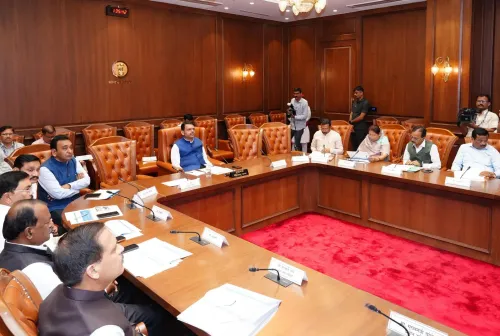
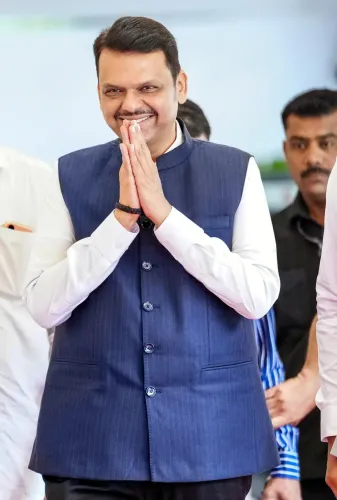
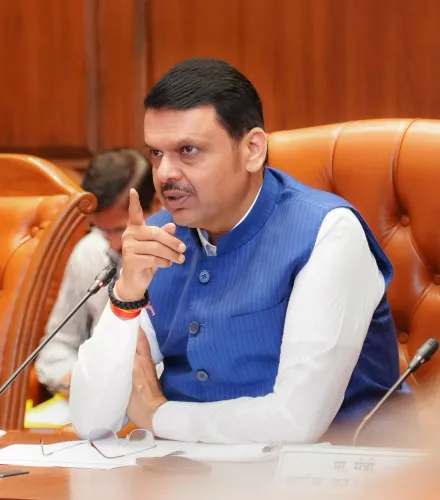
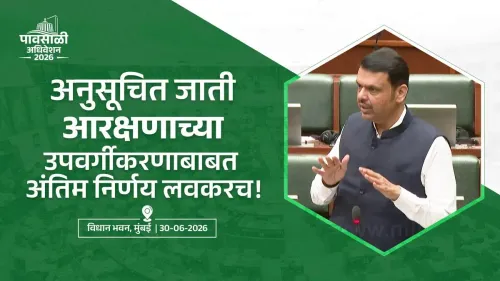
A reservation system that has served some Scheduled Caste communities well for decades has, by that very success, left others behind — and Maharashtra Chief Minister Devendra Fadnavis is now publicly committing to fix that gap. On Tuesday, 29 September 2026, Fadnavis posted in both Marathi and Hindi from Mumbai, stating that the Maharashtra government's position is unanimous: sub-classify Scheduled Caste reservations in line with the Supreme Court of India's landmark ruling, so that communities that have received little or no benefit until now finally get their share.
In his own words: 'अनुसूचित जातींमधील ज्या लोकांना आतापर्यंत आरक्षणाचा लाभ मिळालेला नाही, त्यांना आरक्षणाचा लाभ मिळवून देण्यासाठी सर्वोच्च न्यायालयाच्या निर्णयानुसार एकमताने उपवर्गीकरण करण्याची आमची भूमिका आहे.' — 'Our position is to unanimously carry out sub-classification in accordance with the Supreme Court's decision, so that those within Scheduled Castes who have not yet received reservation benefits are able to get them.'
The Supreme Court verdict that opened the door
The legal foundation for this move stretches back to August 2024, when the Supreme Court of India delivered a constitutional-bench ruling that upended three decades of settled law. The court overruled its own 2004 E.V. Chinnaiah judgment, which had held that Scheduled Castes formed a homogeneous group and could not be further divided for reservation purposes. The new ruling recognised a hard social reality: within the broad SC umbrella, some communities have historically cornered a disproportionate share of government jobs and educational seats, while the most marginalised sub-groups have remained almost entirely shut out. States, the court ruled, may now create sub-categories to route benefits toward those at the very bottom.Maharashtra's unanimous stance and what it signals
The word Fadnavis chose to repeat — ekmatane (unanimously) in Marathi, ekmat se in Hindi — is not incidental. Sub-classification is politically charged: communities that have benefited from the existing structure are wary of any dilution, while the most excluded groups have long demanded corrective action. By framing this as a unanimous government position, Fadnavis is signalling cross-party or cross-faction buy-in within the ruling dispensation, pre-empting the narrative that this is a divisive move. Maharashtra is home to a large and politically significant SC population, making any reservation reform here a decision with state-wide electoral and social reverberations. Several other states have examined or initiated steps toward SC sub-classification since the 2024 Supreme Court verdict. Maharashtra's public declaration now places it among the states formally moving in that direction, raising the immediate question of what legislative or executive instrument the government will deploy — and how quickly. The watch-point is implementation: the Supreme Court permitted sub-classification but set conditions around empirical data and non-arbitrariness. Any Maharashtra framework will face scrutiny on whether the sub-categories are backed by credible evidence of differential representation — and whether affected communities accept the formula or challenge it in court. For the communities at the bottom of the SC ladder, the promise is significant. Whether it becomes policy is the next test.Point of View
So the political cost of inaction now outweighs the cost of moving. By stressing unanimity, he insulates the government from accusations of playing communities against each other, a standard charge whenever reservation structures are touched. The move fits a broader BJP pattern of recasting social-justice credentials among the most marginalised SC sub-groups, distinct from communities that already have political representation and institutional access. The real test will be whether Maharashtra produces a defensible, data-backed sub-classification framework or one that invites the same legal challenges that have stalled similar efforts elsewhere.
NationPress
29 Sept 2026
Frequently Asked Questions
What is SC sub-classification and why does it matter?
SC sub-classification means dividing the Scheduled Caste reservation quota into sub-categories so that the most deprived SC communities — those that have historically received little benefit — get a dedicated share. It matters because studies have shown that within the broad SC category, some groups have captured most seats while others remain almost entirely excluded.
What did the Supreme Court say about SC sub-classification?
In August 2024 , the Supreme Court's constitutional bench overruled the 2004 E.V. Chinnaiah judgment and held that states are legally permitted to sub-classify Scheduled Castes to extend benefits to the most backward sections, provided the sub-categories are backed by empirical evidence.
What exactly did CM Fadnavis announce?
Fadnavis declared on 29 September 2026 that the Maharashtra government's unanimous position is to carry out sub-classification of SC reservations in accordance with the Supreme Court's ruling, specifically to benefit those SC communities that have not yet received reservation benefits.
Which states have moved on SC sub-classification after the 2024 verdict?
Several states have examined or initiated measures toward SC sub-classification following the Supreme Court's 2024 ruling. Maharashtra's public declaration now formally places it among the states moving in that direction, though specific legislative steps are yet to be announced.
What happens next for SC sub-classification in Maharashtra?
The government will need to produce empirical data on which SC sub-groups are under-represented, design the sub-categories, and choose a legislative or executive mechanism. The framework will face public scrutiny and is likely to face legal challenges, so the criteria must meet the Supreme Court's own conditions for validity.