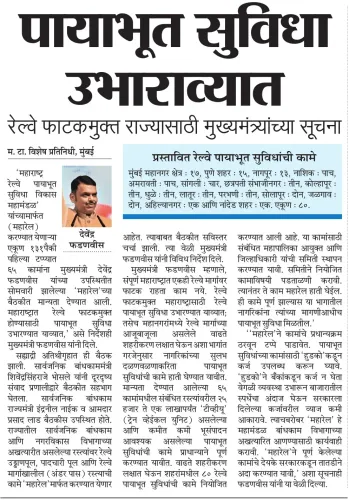
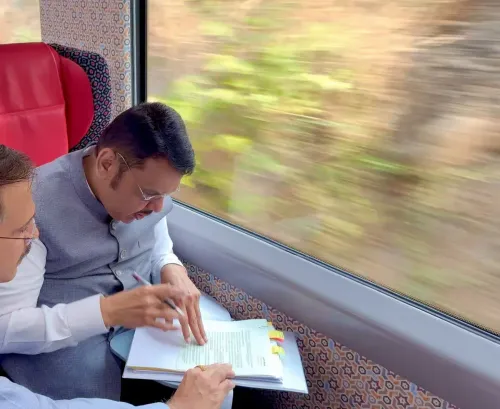
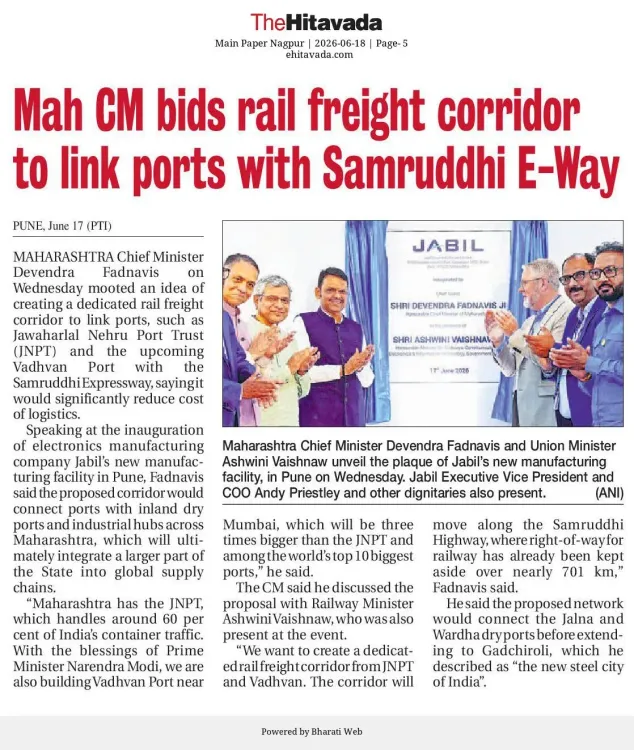
CM Fadnavis Bids Rail Freight Corridor to Link Ports with Samruddhi Mahamarg
Synopsis
Maharashtra Chief Minister Devendra Fadnavis has launched a bidding process for a dedicated rail freight corridor linking the state's major ports to the Hinduhrudaysamrat Balasaheb Thackeray Maharashtra Samruddhi Mahamarg expressway, advancing the state's multimodal logistics agenda.
Key Takeaways
CM Devendra Fadnavis announced a bidding process on 18 June 2026 for a rail freight corridor linking Maharashtra's ports to the Samruddhi Mahamarg expressway.
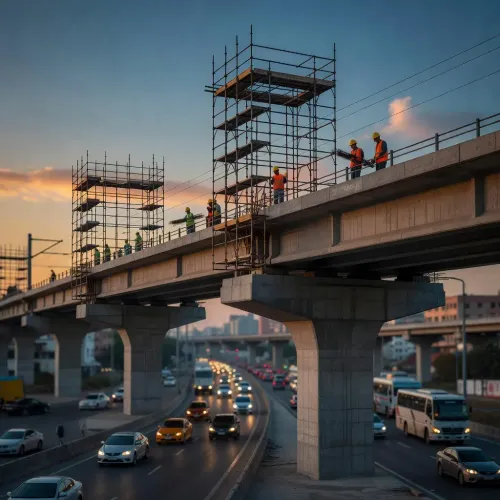
The Hinduhrudaysamrat Balasaheb Thackeray Maharashtra Samruddhi Mahamarg is a 400-plus kilometre expressway connecting the Mumbai region to Nagpur .
The corridor aims to improve hinterland connectivity for major ports including Jawaharlal Nehru Port near Mumbai .
The project aligns with national multimodal freight frameworks including PM Gati Shakti and the Dedicated Freight Corridor programme.
Key beneficiaries include port operators, logistics companies, and agricultural exporters from Vidarbha and Marathwada .
Tender issuance and coordination with Indian Railways are the immediate next steps to watch.
Maharashtra Chief Minister Devendra Fadnavis on Thursday, 18 June 2026 initiated a bidding process for a dedicated rail freight corridor designed to connect the state's major ports with the Hinduhrudaysamrat Balasaheb Thackeray Maharashtra Samruddhi Mahamarg, the 400-plus kilometre access-controlled expressway linking the Mumbai region to Nagpur. The move signals a significant step toward integrating Maharashtra's road and rail freight networks into a unified multimodal logistics spine.
Context
The Samruddhi Mahamarg — formally named the Hinduhrudaysamrat Balasaheb Thackeray Maharashtra Samruddhi Mahamarg — was conceptualised during Fadnavis's first term as Chief Minister in 2015-16 and has since become the flagship expressway project of the state. Spanning over 400 kilometres, it was built to dramatically cut travel time between Mumbai and Nagpur and to catalyse industrial activity along its corridor. The expressway passes through some of Maharashtra's least-developed districts, making last-mile freight connectivity a stated priority for the state government.
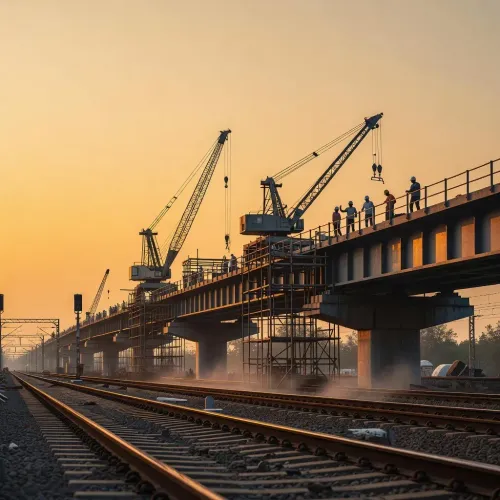
Ports in the Mumbai region, including Jawaharlal Nehru Port, handle a substantial share of India's container traffic. Hinterland connectivity for these ports has long been identified as a bottleneck limiting their throughput and competitiveness. A dedicated rail freight link to the Samruddhi Mahamarg would, in principle, allow cargo to move swiftly from portside terminals to inland destinations across central and eastern Maharashtra.
Policy Backdrop
The proposed corridor fits squarely within the national push for multimodal freight infrastructure, reflected in programmes such as PM Gati Shakti and the Dedicated Freight Corridor initiative. Maharashtra has been aligning its state logistics policy with these frameworks, seeking to reduce the share of freight moved by road alone and lower overall logistics costs for industry. The bidding announcement by CM Fadnavis suggests the state is now moving from planning to procurement on this component of its logistics strategy.
The expressway's industrial nodes and agri-logistics hubs along its alignment stand to benefit directly from improved rail access, potentially attracting warehousing and manufacturing investment to districts such as Washim, Yavatmal, and Amravati that the expressway traverses. State planners have previously highlighted the corridor's potential to act as a growth engine for Vidarbha and Marathwada.
Stakeholders and Impact
Port operators and logistics companies are the most immediate stakeholders, as the corridor would reduce dwell time for containers moving between Jawaharlal Nehru Port and inland destinations. Exporters of agricultural produce from central Maharashtra, particularly from the cotton and soybean belts of Vidarbha, could see lower freight costs if the rail link becomes operational. Industrial estates along the Samruddhi Mahamarg alignment are also expected to gain from faster and cheaper access to port facilities.
For the state government, the project represents a tangible deliverable that ties together two of its marquee infrastructure assets — the expressway and the port hinterland — into a coherent logistics network. The bidding process will now draw scrutiny from freight industry associations and potential private-sector partners interested in participating in the corridor's development or operation.
What's Next
The immediate focus will be on the issuance and outcome of tenders for the rail corridor's alignment and any formal coordination announcements with Indian Railways or the relevant port trusts. Stakeholders will watch whether the project attracts competitive bids and whether the corridor's alignment is finalised to serve the maximum number of industrial and agri-logistics nodes along the Samruddhi Mahamarg. A successful tender process would set the stage for detailed project reports and, eventually, construction timelines. The initiative, if executed, could position Maharashtra as a model for state-level multimodal freight integration in India.
Point of View
The state is attempting to address one of Maharashtra's persistent competitiveness gaps: the high cost of moving goods between its ports and its industrial heartland. The move also aligns Maharashtra's state-level agenda with the Centre's PM Gati Shakti framework, which rewards states that demonstrate multimodal integration. Whether the corridor attracts serious private-sector interest will be a key test of the project's commercial viability.
NationPress
17 Sept 2026
Frequently Asked Questions
What is the rail freight corridor announced by CM Fadnavis?
CM Devendra Fadnavis has initiated bidding for a dedicated rail freight corridor that will connect Maharashtra's major ports, including Jawaharlal Nehru Port near Mumbai, with the Hinduhrudaysamrat Balasaheb Thackeray Maharashtra Samruddhi Mahamarg expressway, enabling faster and cheaper movement of cargo across the state.
What is the Samruddhi Mahamarg?
The Hinduhrudaysamrat Balasaheb Thackeray Maharashtra Samruddhi Mahamarg is a 400-plus kilometre access-controlled expressway linking the Mumbai region to Nagpur. It was conceptualised during Fadnavis's first term as Chief Minister in 2015-16 and is designed to reduce travel time and spur industrial growth along its corridor.
How will this corridor benefit Maharashtra's ports?
The rail freight corridor is intended to improve hinterland connectivity for ports such as Jawaharlal Nehru Port, reducing dwell time for containers and lowering logistics costs for exporters and importers who currently rely heavily on road transport to move cargo inland.
Is this project linked to the national PM Gati Shakti programme?
The project aligns with the national PM Gati Shakti and Dedicated Freight Corridor frameworks, which promote multimodal freight integration. Maharashtra has been calibrating its state logistics policy to complement these central government initiatives.
What happens after the bidding process is announced?
The next steps involve the issuance and evaluation of tenders for the corridor's alignment, followed by potential coordination with Indian Railways and port trusts. A successful tender would lead to detailed project reports and eventual construction.