CM Fadnavis pays tribute to Swami Vivekananda on Smruti Din
Synopsis
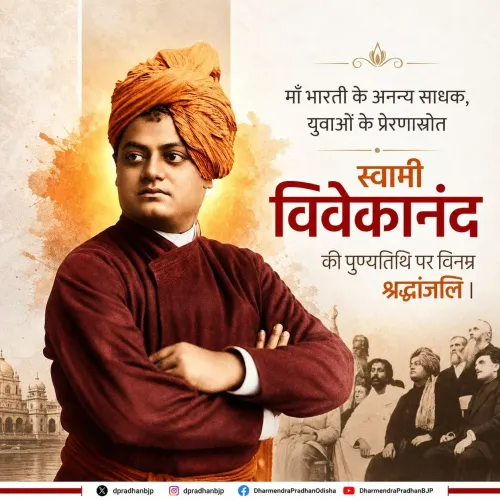
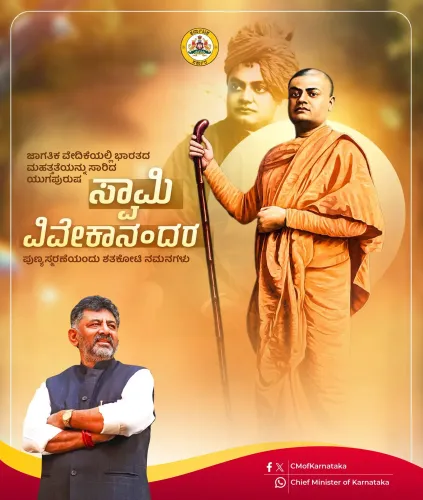
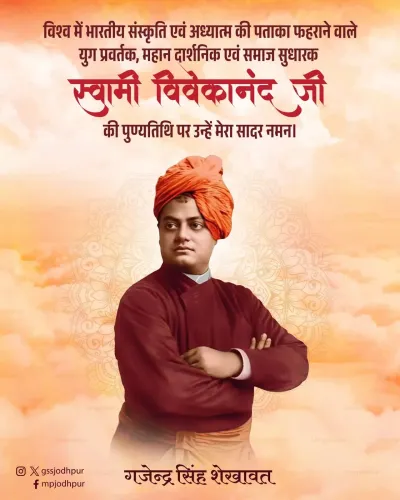
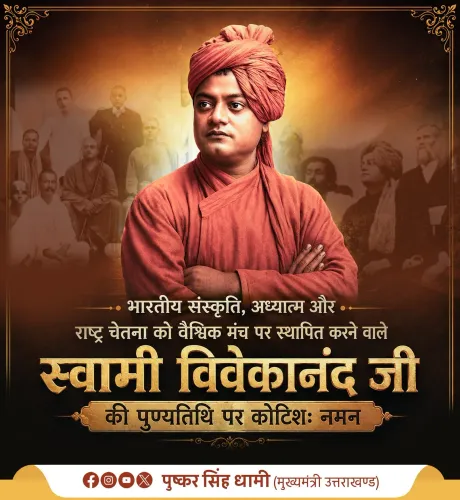
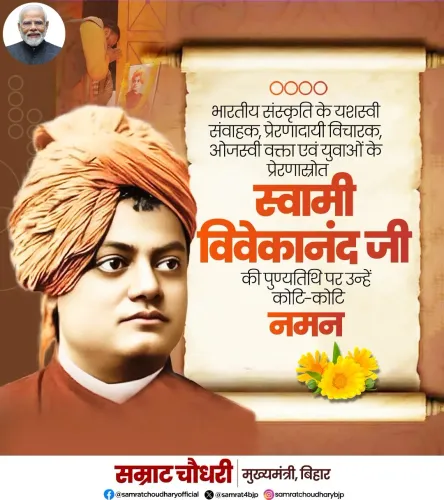
Maharashtra Chief Minister Devendra Fadnavis on July 4, 2026 paid tribute to Swami Vivekananda on his Smruti Din, honouring the 19th-century monk-philosopher as a beacon of universal brotherhood, Indian cultural heritage, and enduring inspiration for the nation's youth.
Key Takeaways
CM Devendra Fadnavis posted a tribute to Swami Vivekananda on his death anniversary, Smruti Din , on July 4, 2026 .
Vivekananda is remembered for his landmark address at the 1893 Parliament of the World's Religions in Chicago , where he introduced Vedanta to a global audience.
The Government of India has observed January 12 as National Youth Day since 1985 to honour Vivekananda's birth anniversary.
Fadnavis's tribute highlights themes of universal brotherhood, Indian cultural heritage, and youth inspiration — consistent with BJP 's broader public messaging around reformist thinkers.
The post was tagged with #Maharashtra and #SwamiVivekananda , signalling both state and national reach.
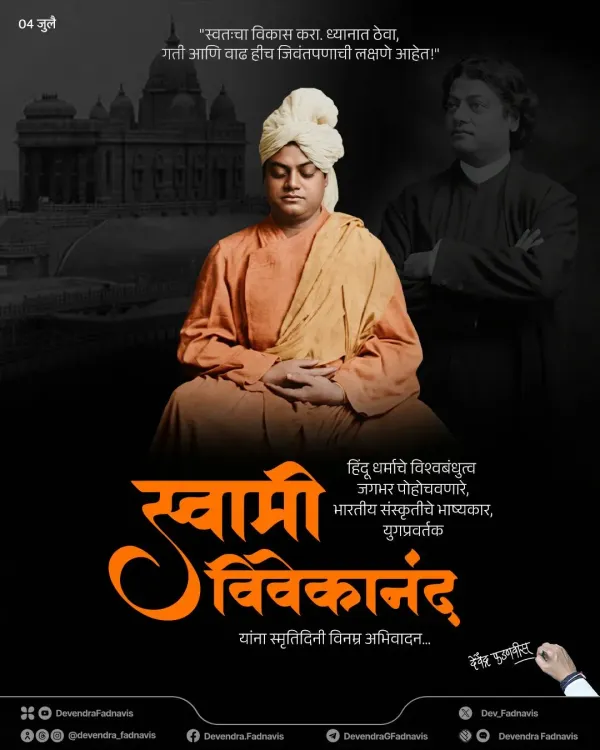
Maharashtra Chief Minister Devendra Fadnavis on Saturday, July 4, 2026, paid tribute to Swami Vivekananda on his death anniversary, known as Smruti Din (Remembrance Day), honouring the 19th-century philosopher-monk as a visionary who carried the message of universal brotherhood and Indian cultural heritage to the world.
Context
Posting on X, CM Fadnavis wrote: 'Remembering Swami Vivekananda on his Smruti Din... A visionary who carried the message of universal brotherhood and Indian cultural heritage to the world, and continues to inspire the youth through his wisdom and ideals.' In Marathi, he added: 'हिंदू धर्माचे विश्वबंधुत्व जगभर पोहोचवणारे, भारतीय संस्कृतीचे भाष्यकार, तरुणांचे प्रेरणास्थान, युगप्रवर्तक' — meaning, 'One who spread the universal brotherhood of Hinduism across the world, a commentator on Indian culture, an inspiration to youth, an epoch-maker.'
Swami Vivekananda passed away on July 4, 1902, at the age of 39. His death anniversary is observed each year as Smruti Din by followers, institutions, and public figures across India.
Policy Backdrop
The Government of India has observed January 12 — Vivekananda's birth anniversary — as National Youth Day since 1985, with the explicit aim of channelling his ideals among the country's youth. His address at the 1893 Parliament of the World's Religions in Chicago, where he presented Vedanta philosophy and the principle of universal brotherhood to a global audience, remains one of the most cited moments in modern Indian intellectual history.
BJP leaders across the country regularly issue public tributes to Vivekananda on both his birth and death anniversaries. These statements consistently emphasise themes of cultural self-confidence, India's spiritual contributions to global thought, and the relevance of 19th-century reformist thinkers to contemporary governance narratives.
Stakeholders and Impact
The tribute is directed primarily at Maharashtra's youth and the broader constituency of citizens who revere Vivekananda as a symbol of intellectual and spiritual nationalism. Educational institutions, youth organisations, and cultural bodies in the state regularly observe Smruti Din with programmes that draw on his teachings.
For CM Fadnavis, the post reinforces a consistent public messaging thread that connects the ruling dispensation's emphasis on Indian cultural identity with the legacy of figures who engaged both tradition and global modernity. The hashtags #SwamiVivekananda and #Maharashtra signal the tribute is pitched at both a national and state audience.
What's Next
Observers of Maharashtra's education and youth policy will watch for any follow-through from the state's education department — such as circulars, youth festivals, or curriculum references — that translate this public tribute into programmatic action. Vivekananda's teachings on self-reliance and national character have previously informed extracurricular and civic education frameworks in several BJP-governed states. Whether Mumbai or other major cities in Maharashtra mark the day with state-organised events will indicate the depth of institutional engagement beyond the symbolic tribute.
Point of View
Globally engaged Indian thought. The dual-language post — English and Marathi — signals a deliberate effort to reach both a pan-India audience and Maharashtra's regional electorate. By foregrounding youth inspiration alongside universal brotherhood, the tribute aligns with the party's sustained effort to position itself as the custodian of India's 19th-century intellectual renaissance. The real test of this symbolic alignment will come in whether the Maharashtra government translates such tributes into substantive youth-policy or educational initiatives.
NationPress
2 Oct 2026
Frequently Asked Questions
Why is July 4 observed as Swami Vivekananda's Smruti Din?
July 4 marks the death anniversary of Swami Vivekananda, who passed away on this date in 1902 at the age of 39. It is observed as Smruti Din, meaning Remembrance Day, by followers and institutions across India.
What did Devendra Fadnavis say about Swami Vivekananda?
Maharashtra Chief Minister Devendra Fadnavis described Swami Vivekananda as 'a visionary who carried the message of universal brotherhood and Indian cultural heritage to the world' and called him a continuing source of inspiration for youth through his wisdom and ideals.
What is National Youth Day and how is it connected to Swami Vivekananda?
National Youth Day is observed on January 12 every year in India to mark Swami Vivekananda's birth anniversary. The Government of India has recognised this day since 1985 to promote his ideals of self-reliance, service, and national character among young Indians.
Why do BJP leaders frequently pay tribute to Swami Vivekananda?
BJP leaders regularly invoke Swami Vivekananda on his birth and death anniversaries to emphasise themes of cultural self-confidence, India's spiritual contributions to global thought, and the relevance of reformist thinkers to modern India's identity.
What is Swami Vivekananda best known for internationally?
Swami Vivekananda is best known for his address at the 1893 Parliament of the World's Religions in Chicago, where he introduced Vedanta philosophy and the principle of universal brotherhood to a Western audience, significantly raising India's global intellectual profile.