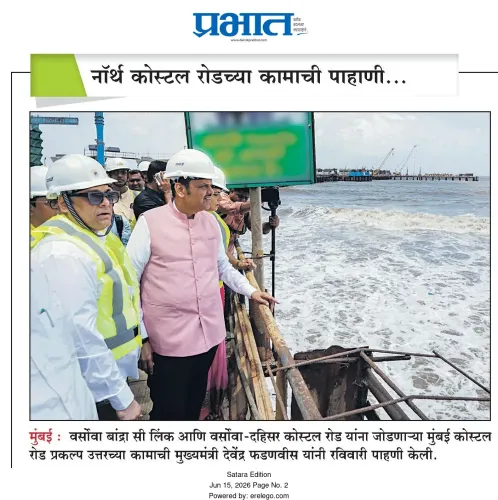
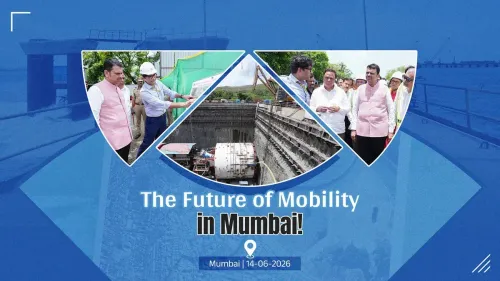
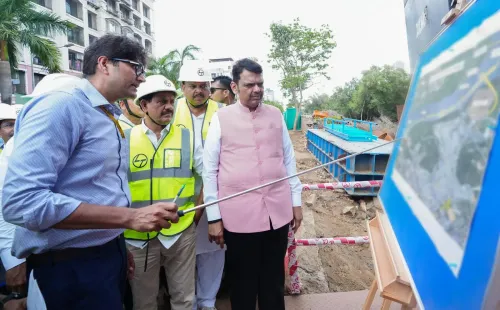
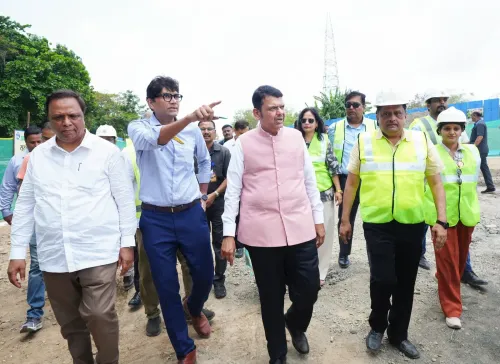
CM Fadnavis inspects Mumbai Coastal Road North twin tunnels at Charkop
Synopsis
Chief Minister Devendra Fadnavis inspected Package C&D of the Mumbai Coastal Road (North) at Charkop on 14 June 2026, reviewing twin tunnels planned from Malad to Charkop that will pass beneath the Mindspace precinct and a creek, and directed officials to ensure quality construction.
Key Takeaways
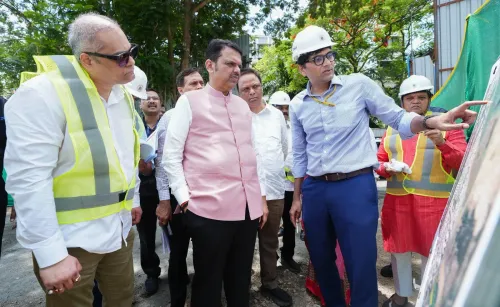
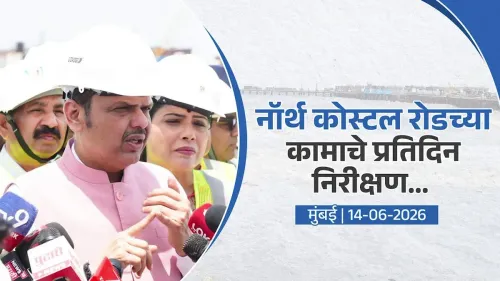
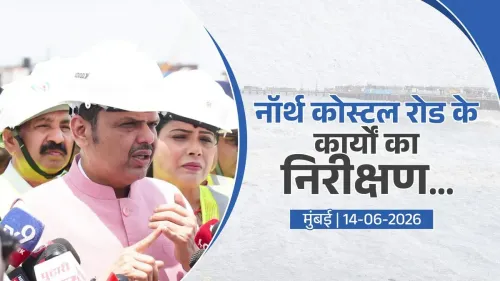
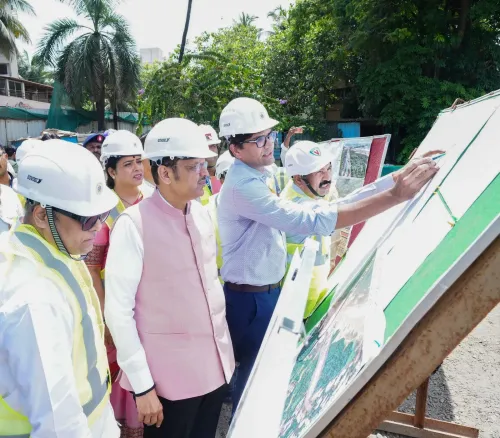
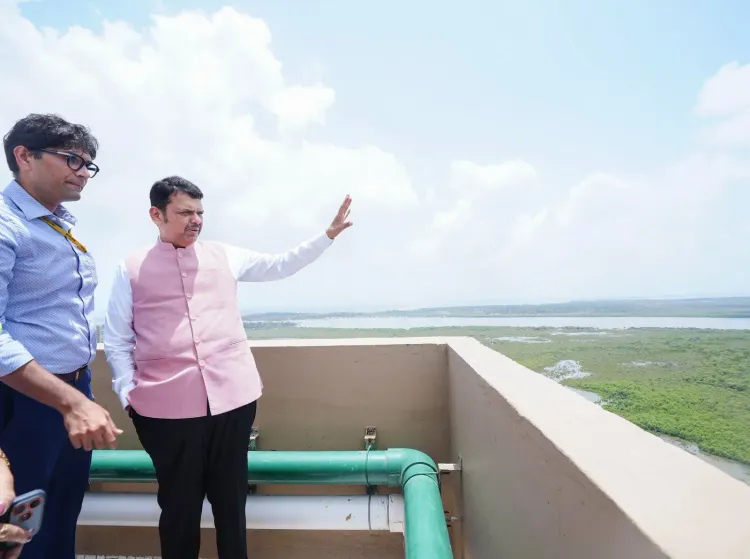
CM Devendra Fadnavis conducted an on-site inspection at Marina Enclave, Charkop on 14 June 2026 .
Package C&D of the Mumbai Coastal Road (North) covers twin tunnels between Malad and Charkop in both directions.
The underground tunnel will begin approximately 500 metres after the Mindspace Interchange .
The tunnel alignment passes beneath the Mindspace commercial zone and the adjacent creek before surfacing at Charkop .
Fadnavis directed executing agencies to maintain high standards of quality in construction work.
The northern packages extend a coastal road corridor whose southern section was first launched in 2018 .
Chief Minister Devendra Fadnavis on Sunday, 14 June 2026 inspected ongoing construction work at Marina Enclave, Charkop, the site of Package C&D under the Mumbai Coastal Road Project (North). The package covers twin tunnels running from Malad to Charkop and includes the return direction bore, forming a critical link in the northern extension of the city's coastal expressway network.
What the inspection covered
The Chief Minister's Office confirmed that Fadnavis reviewed the quality and progress of work at the Charkop site and directed officials and executing agencies to maintain high standards of workmanship. The inspection focused on Package C&D, which is specifically designed around underground boring to avoid surface disruption across densely built suburbs.
According to the official post, the underground tunnel will begin approximately 500 metres after the Mindspace Interchange, pass beneath the Mindspace commercial precinct and the adjoining creek (खाडी), and emerge at the Charkop locality. The twin-tunnel design means separate bores will carry northbound and southbound traffic.
Context
The Mumbai Coastal Road Project is a phased expressway conceived to connect south Mumbai with the western suburbs along the coastline, reducing dependence on congested arterial roads. Construction of the southern stretch began in 2018 during Fadnavis's first term as Chief Minister, and the northern extension now pushes the corridor further into suburbs such as Malad and Charkop.
Maharashtra governments have pursued coastal and elevated corridors as a strategy to ease chronic traffic congestion while minimising surface land acquisition. The twin-tunnel approach in the northern packages mirrors engineering choices made in the southern section and follows the broader pattern set by projects such as the Bandra-Worli Sea Link.
Policy backdrop
The northern coastal road packages represent a continuation of the state's multi-decade push to integrate Mumbai's suburbs through high-capacity road infrastructure. Tunnelling beneath creek beds and commercial zones is a technically demanding element that requires sustained quality oversight — the stated reason for Fadnavis's on-site visit.
Western-suburb projects of this scale typically combine state funding with public-private execution models and are required to incorporate environmental mitigation measures, particularly where tunnels pass under ecologically sensitive creek corridors.
Stakeholders and impact
Residents of Malad and Charkop — among Mumbai's most densely populated western suburbs — stand to benefit directly from reduced surface congestion once the tunnel link is operational. Mumbai commuters travelling between the northern suburbs and the city's business districts are the primary beneficiaries of the broader coastal road network.
The Mindspace commercial precinct, a major office hub in the western suburbs, sits directly above the planned tunnel alignment, making quality construction standards especially critical for the safety of existing structures above ground.
What's next
Key milestones to watch include the deployment of tunnel boring machines for the Malad-Charkop twin tunnel drives and any announcements on integration with ongoing metro rail corridors serving the western suburbs. Fadnavis's directive for 'quality and qualitative work' signals that the state intends close executive monitoring of Package C&D as tunnelling progresses beneath inhabited and commercial zones.
Point of View
Making executive oversight politically prudent. The inspection also fits a broader Maharashtra pattern of using high-visibility infrastructure walkthroughs to reinforce governance credibility. Whether the directive for quality translates into accelerated timelines will depend on the pace of tunnel boring machine mobilisation, which will be the real indicator of project health.
NationPress
13 Sept 2026
Frequently Asked Questions
What is the Mumbai Coastal Road North project?
The Mumbai Coastal Road (North) is the northern extension of a phased coastal expressway designed to link south Mumbai with western suburbs like Malad and Charkop through roads, interchanges and twin tunnels along the western coastline.
What are Package C and D of the Mumbai Coastal Road?
Package C&D covers the twin tunnel section running from Malad to Charkop and the return bore, passing beneath the Mindspace commercial precinct and an adjoining creek before emerging at Charkop.
Where exactly will the Malad-Charkop tunnel start and end?
The underground tunnel will begin approximately 500 metres after the Mindspace Interchange, pass beneath the Mindspace zone and the creek, and emerge in the Charkop area.
Why did CM Fadnavis visit the Charkop site on 14 June 2026?
CM Devendra Fadnavis inspected the Marina Enclave, Charkop construction site to review progress on Package C&D and directed officials to ensure quality and qualitative standards in the work.
When did the Mumbai Coastal Road project begin?
Construction of the southern Mumbai Coastal Road commenced in 2018 during Fadnavis's first term as Chief Minister, with northern extension packages following as subsequent phases.