Maharashtra CM Fadnavis launches Mahakhanij 2.0 to target ₹25,000 crore mineral revenue
Synopsis
Maharashtra has replaced paper permits and manual oversight with AI, GPS, drones, and ANPR cameras to police its minor minerals sector — and set a ₹25,000 crore revenue target to prove it. If the technology delivers, Mahakhanij 2.0 could become a national template for curbing the ₹1-lakh-crore-plus problem of illegal sand and stone mining.
Key Takeaways
CM Devendra Fadnavis launched Mahakhanij 2.0 on 15 September 2026 during a Maharashtra Cabinet meeting.
The portal targets ₹25,000 crore in mineral revenue over five years, up from ₹16,000 crore under its predecessor.
Paper transport permits will be fully replaced by a QR/barcode-based DigiTP digital permit system.
Vehicles will be tracked using GPS, ANPR, GIS, and Geofencing ; AI and drones will support site surveillance and enforcement.
A 24×7 monitoring centre at Konkan Bhavan and a dedicated helpline (08065070555) have been set up for centralised oversight and public grievances.
Revenue Minister Chandrashekhar Bawankule led the initiative; the Konkan Division Commissioner has been named State Coordinator.
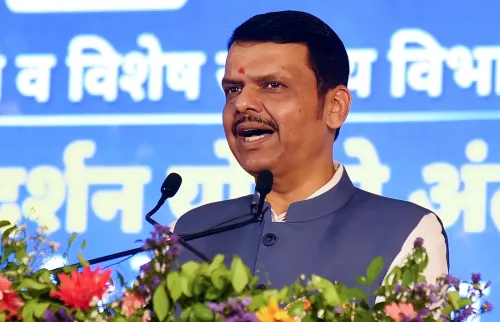
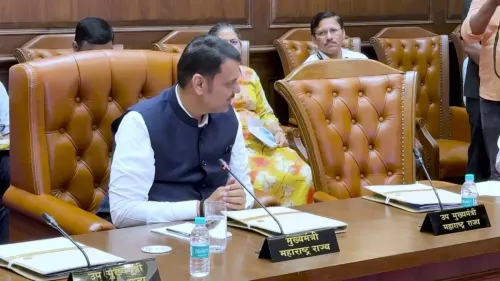
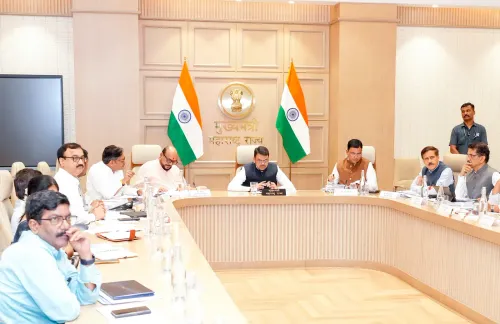
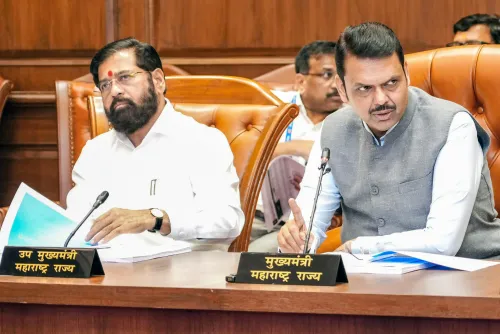
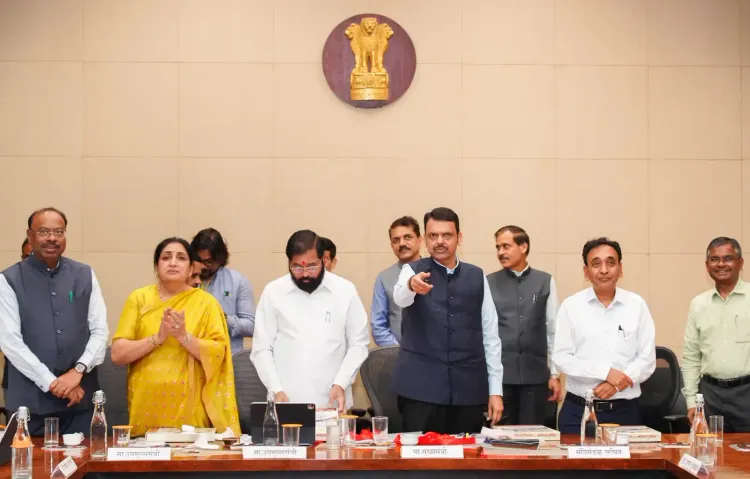
Maharashtra Chief Minister Devendra Fadnavis on Tuesday, 15 September 2026, unveiled 'Mahakhanij 2.0' — an upgraded digital portal for minor mineral governance — during a state Cabinet meeting in Mumbai. Developed by the Revenue Department, the platform is designed to bring real-time oversight, end-to-end transparency, and automation to mineral extraction, transport, permitting, and monitoring across Maharashtra. The revamped system targets ₹25,000 crore in state revenue over the next five years, a significant step up from the ₹16,000 crore generated by its predecessor over the last five years.
What Mahakhanij 2.0 Replaces
The earlier iteration of Mahakhanij relied heavily on manual processes and paper-based permits, which the government acknowledged created severe operational and monitoring challenges — including vulnerability to mineral theft and revenue leakage. Revenue Minister Chandrashekhar Bawankule spearheaded the digital overhaul, which eliminates paper transport permits entirely in favour of a QR code and barcode-based digital permit system (DigiTP).
Digitised panchnamas (site inspection reports), notices, and automated fine collection are designed to remove human interference from enforcement, while penalties for non-compliance will now be computed automatically by the system according to violation type.
Technology Stack Behind the Portal
Vehicles transporting minerals will be tracked in real time using a combination of GPS, Automatic Number Plate Recognition (ANPR), Geographic Information Systems (GIS), and Geofencing. Instant automated alerts will be triggered if a vehicle deviates from its designated route. Artificial Intelligence (AI) and video analytics have been integrated to accelerate administrative decision-making, according to a government statement.
Advanced surveying tools — including drones, LiDAR, bathymetric surveys, and remote sensing technology — will be deployed to accurately map mining sites and clamp down on illegal excavation and unauthorised mineral transit. The portal also integrates with key government platforms including VAHAN, Mahabhulekh, Land Records, DigiLocker, BPMS, CCTV networks, and automated weighbridges.
Centralised Monitoring and Field Deployment
A state-level round-the-clock monitoring centre will operate out of Konkan Bhavan, providing centralised surveillance over mining permits, vehicle movements, and quarry activities statewide. The Konkan Division Commissioner has been designated as the State Coordinator for the initiative.
At the district level, a Dedicated District Executive will be posted at every District Collectorate. Custom Android and iOS applications have been rolled out for field officers and staff to facilitate on-ground enforcement and compliance.
Public Grievance Mechanism
A standalone Grievance Redressal System backed by a 24×7 Call Centre (helpline: 08065070555) has been set up to address queries from the public and business operators. The infrastructure positions Mahakhanij 2.0 as a cornerstone of Maharashtra's broader digital governance ambitions.
With the system now operational, the government's stated next step is full statewide rollout and integration monitoring — the true test of whether the technology can translate into measurable curbs on illegal mining and a demonstrable revenue uptick.
Point of View
But technology alone has never been the binding constraint in curbing illegal mining — enforcement will and political accountability have. Maharashtra's sand and quarry mafia has historically operated with local patronage, and no amount of GPS geofencing fixes that unless the Dedicated District Executives have genuine independence and legal backing. The jump from ₹16,000 crore to ₹25,000 crore is a 56% revenue target increase in five years; that is achievable only if leakage is genuinely plugged rather than just better documented. The 24×7 Konkan Bhavan monitoring centre is a useful signal of intent, but the system's real test will be whether automated penalty triggers lead to prosecution — or are quietly waived at the district level, as has happened with manual enforcement in the past.
NationPress
16 Sept 2026
Frequently Asked Questions
What is Mahakhanij 2.0 and what does it do?
Mahakhanij 2.0 is a digital governance portal launched by the Maharashtra government on 15 September 2026 to manage minor mineral extraction, transport, permitting, and monitoring across the state. It replaces paper-based processes with AI, GPS tracking, QR-code permits, drones, and automated penalty systems to curb illegal mining and revenue leakage.
How much revenue does Maharashtra expect from Mahakhanij 2.0?
The state has set a target of ₹25,000 crore in mineral revenue over the next five years under Mahakhanij 2.0. The previous version of the portal generated approximately ₹16,000 crore over the last five years.
How will vehicles transporting minerals be monitored under the new system?
Vehicles will be tracked in real time using GPS, Automatic Number Plate Recognition (ANPR), GIS, and geofencing technology. Automated alerts will trigger instantly if a vehicle deviates from its designated route.
Who oversees Mahakhanij 2.0 at the state level?
A round-the-clock monitoring centre at Konkan Bhavan provides centralised surveillance, and the Konkan Division Commissioner has been appointed as the State Coordinator for the initiative. Dedicated District Executives will be posted at every District Collectorate.
How can the public raise complaints or queries about mineral transport violations?
A dedicated Grievance Redressal System backed by a 24×7 Call Centre at helpline number 08065070555 has been set up to handle complaints and queries from the public and business operators.