CM Fadnavis Chairs Meet on Explosives Rules Reform in Nagpur
Synopsis
Chief Minister Devendra Fadnavis chaired a meeting in Nagpur on 7 June 2026 to finalise Maharashtra's proposal urging the Union government to amend the Explosives Rules 2008. The draft recommends mandatory automation, use of robots, and adoption of global safety standards to prevent fatalities in explosives manufacturing units.
Key Takeaways
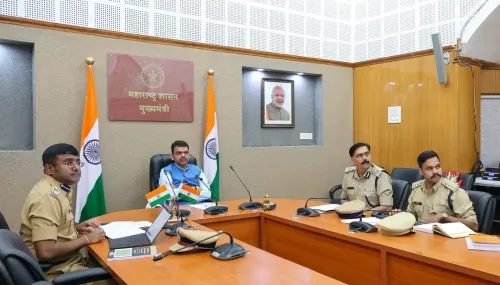
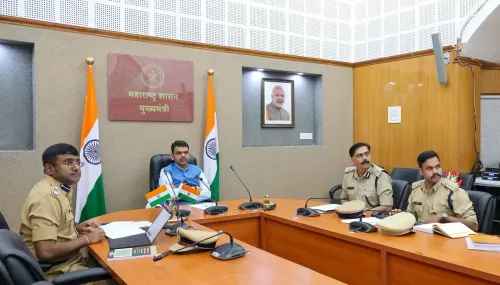
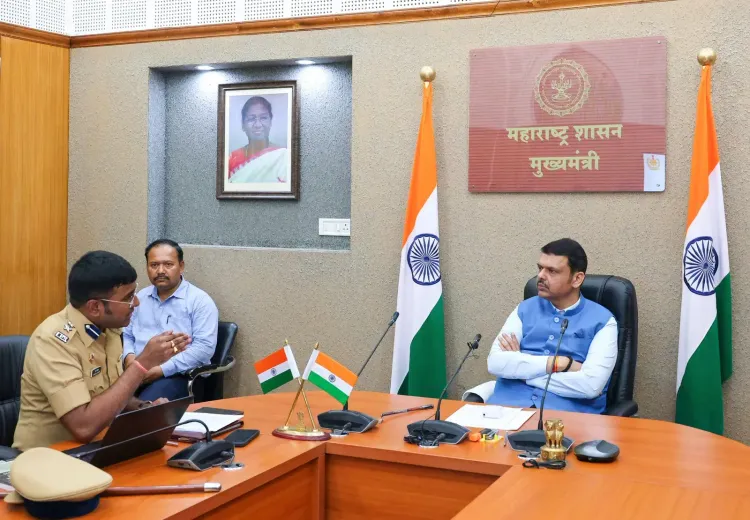
CM Devendra Fadnavis chaired the meeting at Ramgiri residence, Nagpur on 7 June 2026 .
Maharashtra will submit a formal proposal to the Union government recommending amendments to the Explosives Rules 2008 .
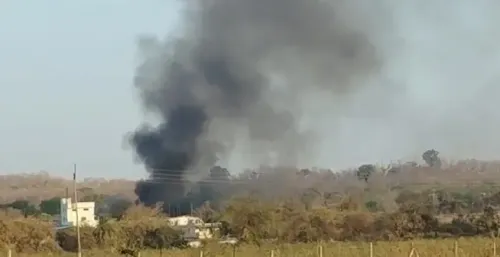
Fatal accidents at explosives companies in Nagpur district over the past two-and-a-half years triggered the review.
Key recommendations include maximum automation of the manufacturing process and deployment of robots at high-risk production stages.
The proposal calls for adoption of global safety standards and minimum human presence at hazardous process points.
Any amendment to the central rules will require a formal notification from the Union government .
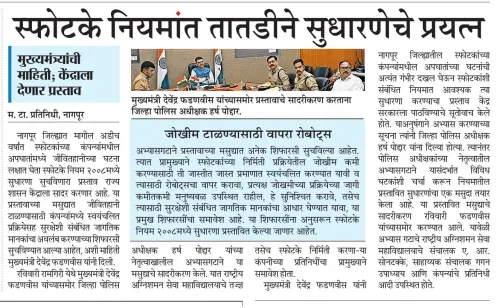
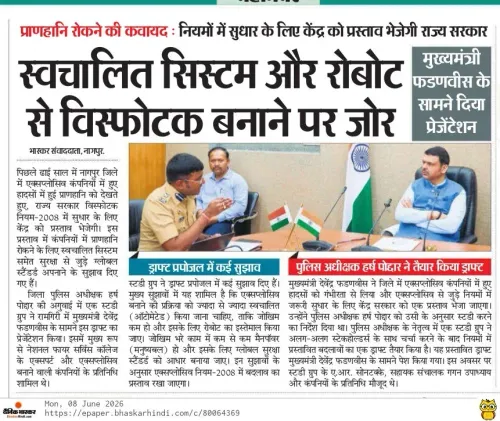
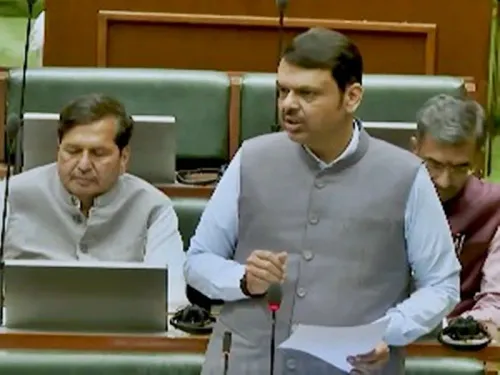
The Chief Minister's Office of Maharashtra announced on Sunday, 7 June 2026 that Chief Minister Devendra Fadnavis chaired a meeting at Ramgiri residence, Nagpur, to finalise a proposal recommending amendments to the Explosives Rules 2008 — a central government regulation — aimed at preventing fatal accidents in explosives manufacturing units.
Context
The meeting was convened in the backdrop of fatal accidents at explosives companies in Nagpur district over the past two-and-a-half years. The state government stated that these incidents prompted a review of existing safety frameworks and the formation of a study group to draft reform recommendations. Senior police officers and other officials were present at the deliberations.
The CMO post, written in Marathi, stated: 'स्फोटक उद्योग अधिक सुरक्षित करण्यासाठी केंद्र सरकारकडे सुधारणा प्रस्ताव' — ('Reform proposal to the central government to make the explosives industry safer'). The Maharashtra government intends to formally submit this draft proposal to the Union government for amending the Explosives Rules 2008.
Policy Backdrop
The Explosives Rules 2008 were notified by the central government under the Explosives Act 1908, consolidating provisions governing the manufacture, storage, and handling of explosives across India. Being a centrally administered framework, any amendment requires the Union government's concurrence, making Maharashtra's proposal a formal centre-state regulatory exchange.
The study group's draft proposal contains several key recommendations. Chief among them is the directive that the manufacturing process for explosives be automated to the maximum possible extent, with the use of robots to reduce human presence at high-risk points in the production chain. The proposal also recommends that global safety standards be adopted as the benchmark for these automated processes, bringing Indian explosives manufacturing norms in line with international best practices.
Stakeholders and Impact
The most direct beneficiaries of the proposed changes would be workers in explosives manufacturing units across Maharashtra and, if the central government accepts the proposal, across India. By minimising human presence at the most hazardous stages of production, the reforms are designed to reduce the risk of casualties from accidental detonations or chemical exposure during manufacturing.
Explosives industry operators would face compliance obligations under any revised rules, including investment in automation infrastructure and robotics. The proposal represents a significant shift from the current regulatory posture, which does not mandate automation at specific risk points in the production process.
What's Next
The Maharashtra government is expected to formally submit the draft proposal to the Union government — likely to the Ministry of Commerce and Industry or the Ministry of Home Affairs, both of which have jurisdiction over aspects of explosives regulation. Any acceptance of the recommendations would require a formal notification amending the Explosives Rules 2008 at the central level.
If adopted, the amendments could set a precedent for other states with significant explosives manufacturing activity to push for similar automation mandates, signalling a broader shift in how India regulates high-risk industrial sectors through centre-state coordination on legacy regulatory frameworks.
Point of View
The Fadnavis administration is building a documented case that is harder for the Union government to set aside. The push for mandatory robotics and automation at hazardous production points also aligns Maharashtra with a broader global regulatory trend, lending the proposal international legitimacy. Whether the Centre acts swiftly or the proposal languishes in inter-ministerial deliberation will be the real test of this centre-state safety initiative.
NationPress
24 Oct 2026
Frequently Asked Questions
What is the Maharashtra government proposing about explosives safety?
The Maharashtra government is preparing a formal proposal to the Union government recommending amendments to the Explosives Rules 2008, including mandatory automation, use of robots at high-risk manufacturing stages, and adoption of global safety standards to prevent fatal accidents.
Why is Maharashtra pushing for changes to the Explosives Rules 2008?
Fatal accidents at explosives manufacturing companies in Nagpur district over the past two-and-a-half years prompted the state to review existing safety norms and draft reform recommendations for submission to the Centre.
What are the key recommendations in Maharashtra's explosives safety proposal?
The study group's draft recommends maximising automation in the explosives manufacturing process, deploying robots at high-risk production points, ensuring minimum human presence at hazardous stages, and benchmarking processes against global safety standards.
Who chaired the meeting on explosives safety reforms in Nagpur?
Chief Minister Devendra Fadnavis chaired the meeting held at Ramgiri residence in Nagpur on 7 June 2026, attended by senior police officers and other officials.
Can Maharashtra amend the Explosives Rules 2008 on its own?
No. The Explosives Rules 2008 are central government regulations notified under the Explosives Act 1908. Maharashtra can only submit a proposal; any formal amendment requires a notification from the Union government.