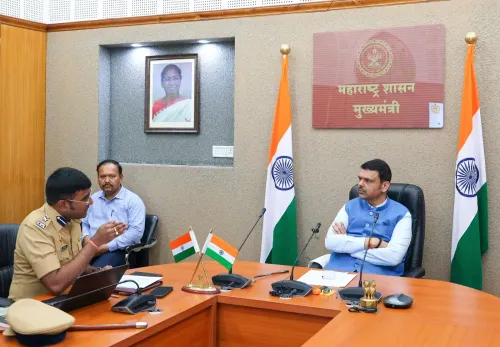
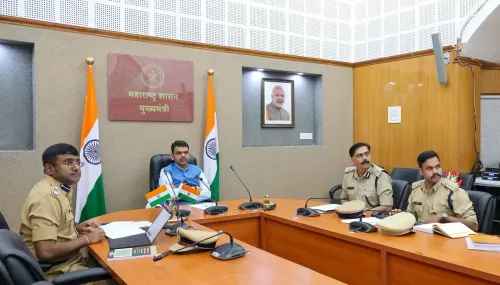
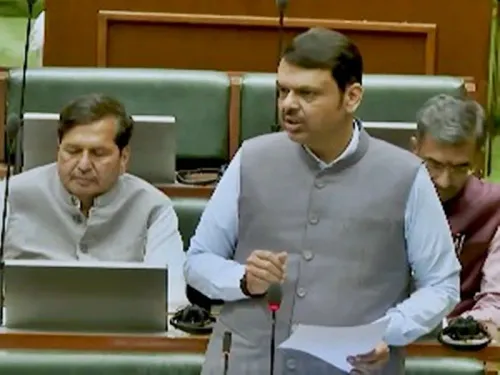
CM Fadnavis chairs meet on explosives safety rule amendments
Synopsis
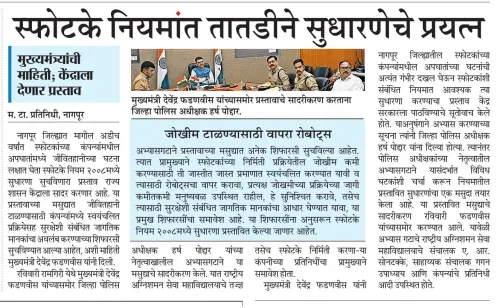
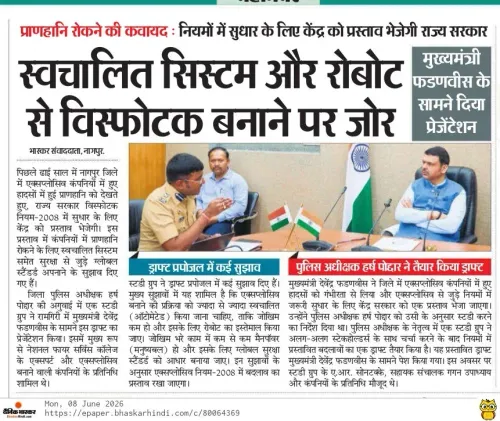
Maharashtra CM Devendra Fadnavis chaired a meeting on June 7, 2026, to deliberate on amendments to the Explosives Rules, 2008. The state will propose greater robotics use, minimal human involvement in high-risk zones, and international safety compliance to the Central Government.
Key Takeaways
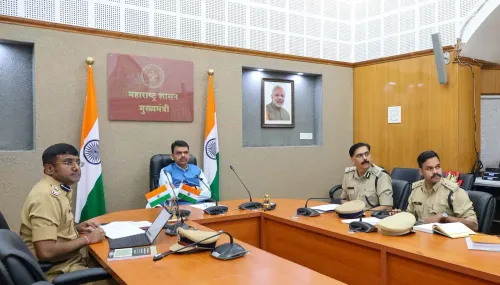
CM Devendra Fadnavis chaired a meeting on June 7, 2026 in Nagpur on proposed amendments to the Explosives Rules, 2008 .
The proposals focus on robotics and automation , reduced human presence in high-risk operations, and alignment with international safety standards.
Maharashtra will formally submit the proposal to the Central Government , which holds authority to amend and gazette explosives regulations.
The Explosives Rules, 2008 are notified under the Explosives Act, 1908 and govern explosives manufacture and handling nationwide.
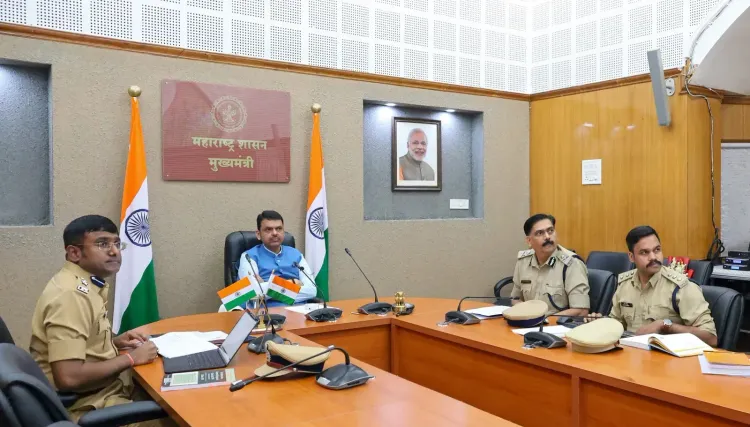
Senior police officials and other dignitaries attended the deliberations.
If adopted, the amendments could set a precedent for automation-first safety norms in India's explosives sector.
Maharashtra Chief Minister Devendra Fadnavis on Sunday, June 7, 2026, chaired a meeting to deliberate on proposed amendments to the Explosives Rules, 2008, with the state government set to forward the proposals to the Central Government to prevent accidents at explosives manufacturing facilities.
Context
Fadnavis announced that the proposed amendments centre on three pillars: greater deployment of robotics and automation, minimal human involvement in high-risk operations, and strict adherence to international safety standards. Senior police officials and other dignitaries attended the meeting. The deliberations were held in Nagpur, the state's winter capital and the Chief Minister's home constituency.
The Chief Minister stated the state government will submit the proposal to the Centre, which holds final authority over explosives regulations. The move reflects Maharashtra's intent to push for modernised safety norms within the existing federal regulatory architecture.
Policy Backdrop
The Explosives Rules, 2008 were notified by the Union government under the Explosives Act, 1908 — one of India's oldest industrial statutes — and govern the manufacture, storage, transport, and handling of explosives across the country. Because the subject falls under a concurrent regulatory framework, states can propose amendments but the Centre must formally gazette any changes.
The push for automation in hazardous industries has been a recurring theme in occupational safety reforms across successive governments. International benchmarks, including guidelines aligned with UN Model Regulations on explosives, have increasingly informed domestic policy discussions on reducing manual exposure in high-risk industrial environments.
Stakeholders and Impact
The proposed changes would directly affect explosives manufacturers and their workforces across Maharashtra, particularly workers currently engaged in high-risk manual operations. Automation mandates, if adopted, would require capital investment by industry players to upgrade equipment and processes.
For industrial workers, reduced manual intervention in hazardous zones could significantly lower the risk of workplace accidents and fatalities — a persistent concern in India's explosives and mining-supply sectors. Compliance audits and rollout timelines for automation requirements would be key implementation milestones to watch.
What's Next
The immediate next step is the formal submission of Maharashtra's proposal to the Central Government. Once received, the Union government would typically initiate a review process that may include inter-ministerial consultations, stakeholder hearings, and, if approved, a gazette notification amending the Explosives Rules, 2008.
If the Centre accepts Maharashtra's recommendations, the resulting amendments could set a precedent for other states to advocate similar automation-first safety frameworks in explosives manufacturing — potentially reshaping occupational safety norms across the sector nationwide.
Point of View
The government frames this as a convergence with global occupational safety norms rather than a purely reactive response to accidents. The choice of Nagpur — the CM's home turf and a symbolically significant venue — adds political weight to what is administratively a routine inter-governmental referral. If the Centre responds positively, it could embolden other industrialised states to similarly push sector-specific safety upgrades through the federal regulatory pipeline.
NationPress
23 Oct 2026
Frequently Asked Questions
What are the proposed amendments to Explosives Rules 2008 by Maharashtra?
Maharashtra has proposed amendments focused on greater use of robotics and automation, minimal human involvement in high-risk operations, and strict adherence to international safety standards in explosives manufacturing. The state government will submit these proposals to the Central Government for formal consideration.
Who has authority to amend the Explosives Rules 2008?
The Central Government holds the authority to amend and gazette the Explosives Rules, 2008, which were notified under the Explosives Act, 1908. States like Maharashtra can propose changes, but the Union government must formally approve and notify any amendments.
Why is Maharashtra proposing changes to explosives manufacturing rules?
The proposals aim to prevent accidents at explosives manufacturing companies by reducing manual human involvement in dangerous operations and deploying robotics and automation aligned with international safety standards.
What is the Explosives Act 1908 and why does it matter?
The Explosives Act, 1908 is one of India's oldest industrial statutes governing the manufacture, storage, transport, and handling of explosives. The Explosives Rules, 2008 were notified under this Act and form the primary regulatory framework for the sector.
What happens after Maharashtra submits the proposal to the Central Government?
Once submitted, the Central Government would typically conduct inter-ministerial consultations and stakeholder hearings. If approved, the amendments would be published as a gazette notification, making them legally binding across India.