Maharashtra proposes Explosives Rules amendments after Nagpur accidents
Synopsis
Spurred by a string of deadly accidents at Nagpur's explosives units, Maharashtra is pushing to overhaul rules that haven't been updated in nearly 20 years — proposing robots, automation, and global safety benchmarks. If the Centre approves, the state's draft could become a national template for hazardous-industry regulation.
Key Takeaways
Maharashtra CM Devendra Fadnavis chaired a high-level meeting on 7 June to deliberate on amendments to the Explosives Rules, 2008 .
The proposal was triggered by a series of accidents at explosives companies in Nagpur district over the past 18 months .
Key recommendations include maximum automation , deployment of robots for hazardous tasks , and adoption of international safety standards .
The draft will be formally submitted to the Central Government for scrutiny before any implementation.
If approved, Maharashtra's framework could serve as a national model for industrial safety in explosives manufacturing.
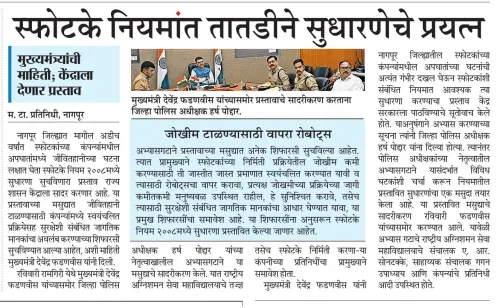
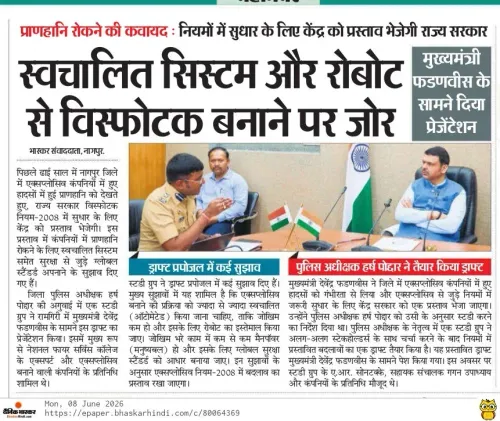
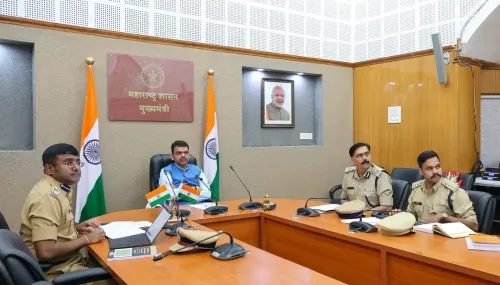
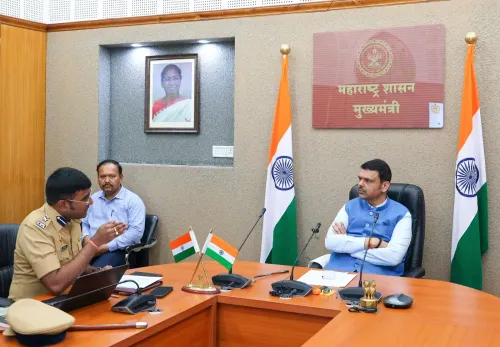
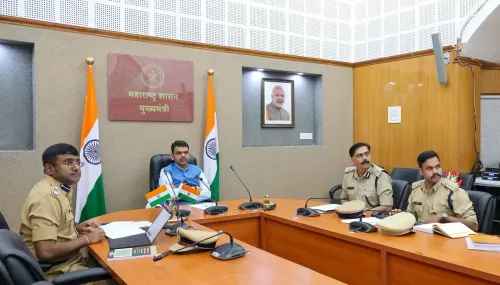
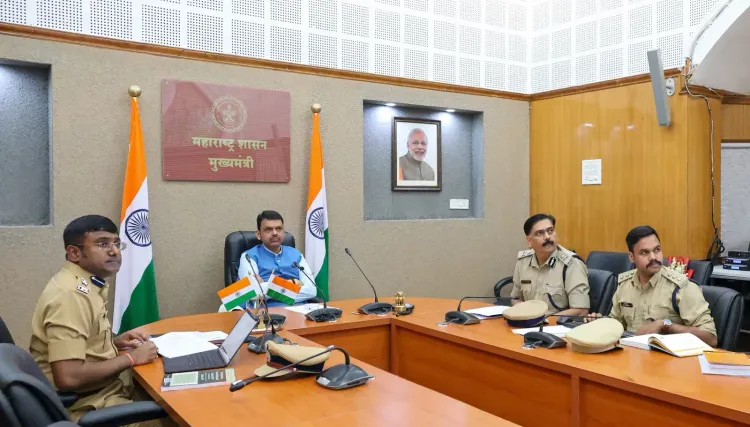
Maharashtra Chief Minister Devendra Fadnavis on Sunday, 7 June chaired a high-level meeting in Mumbai to deliberate on proposed amendments to the Explosives Rules, 2008, aimed at tightening safety standards in explosives manufacturing units across the state. The proposal, once finalised, will be formally submitted to the Central Government for consideration and potential nationwide adoption.
What Triggered the Review
A series of tragic accidents at explosives companies in Nagpur district over the past year and a half has prompted the state to revisit rules framed nearly two decades ago. Officials noted that these incidents exposed critical gaps in existing safety protocols, endangering not only workers but also surrounding communities and law enforcement personnel.
The state government has prepared a draft proposal recommending the adoption of global safety standards and automated manufacturing processes to minimise risks and prevent loss of life. This comes amid Maharashtra's rapid industrial expansion, which has heightened the urgency of modernising regulatory oversight in hazardous sectors.
Key Proposals in the Draft
The draft amendments advocate maximising automation in manufacturing, deploying robots for hazardous tasks, and significantly reducing direct human involvement in dangerous processes. The proposal also stresses alignment with international safety benchmarks to strengthen existing practices.
Notably, the suggested changes would introduce more stringent compliance checks, modernised operational guidelines, and clearer accountability for both manufacturers and regulators. Senior police officers of the state participated in the deliberations, underscoring the public safety dimension of the proposed reforms.
What the Chief Minister Said
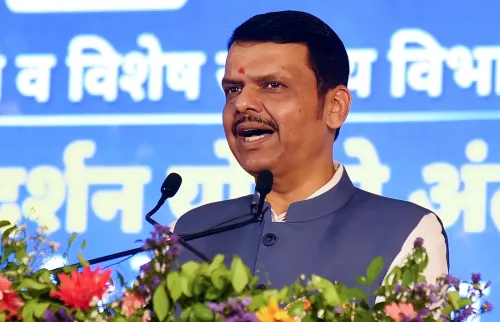
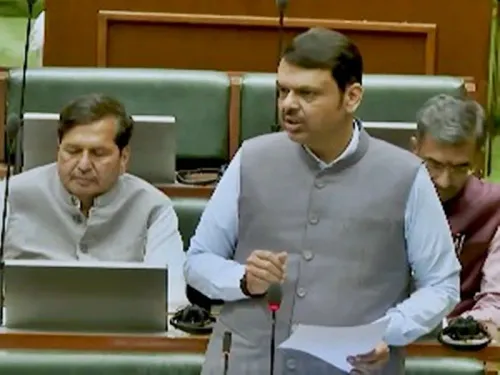
Chief Minister Fadnavis emphasised that the amendments reflect a proactive rather than reactive governance approach. 'The safety of workers and citizens remains paramount,' he said, reiterating the government's determination to prevent tragedies before they occur.
He stressed that by aligning the Explosives Rules, 2008 with present-day technological advancements and evolving industrial practices, Maharashtra aims to set a credible national benchmark in industrial safety reform.
Next Steps and Broader Impact
Once submitted, the proposal will undergo scrutiny at the Centre before any implementation can begin. If approved, Maharashtra's initiative could serve as a model for other states handling explosives-related industries. The discussion also highlighted the need for improved monitoring mechanisms and stricter enforcement — areas where the existing two-decade-old framework has reportedly fallen short.
All eyes will now be on the Centre's response, which will determine whether Maharashtra's safety push translates into a binding national standard.
Point of View
2008 have remained largely untouched for nearly two decades while India's industrial landscape — and its accident toll — has changed dramatically. Maharashtra's push for automation and robotics is directionally sound, but the real test lies in enforcement: previous safety mandates in hazardous industries have often existed on paper without meaningful inspection regimes. The Centre's response will be telling; if it treats this as a state-specific submission rather than a trigger for a national rules overhaul, the Nagpur accidents will have yielded little systemic change. The inclusion of senior police officers in the deliberations signals awareness that explosives incidents carry law-and-order consequences — a framing that could give the proposal unusual traction in New Delhi.
NationPress
24 Oct 2026
Frequently Asked Questions
Why is Maharashtra proposing amendments to the Explosives Rules, 2008?
Maharashtra is proposing the amendments following a series of deadly accidents at explosives manufacturing units in Nagpur district over the past year and a half. The state government argues that the existing rules, framed nearly two decades ago, no longer reflect current technological capabilities or safety requirements.
What are the key changes proposed in the draft amendments?
The draft recommends maximising automation in manufacturing, deploying robots for hazardous tasks, reducing direct human involvement in dangerous processes, and adopting international safety benchmarks. It also calls for stricter compliance checks and clearer accountability for manufacturers and regulators.
Who will approve the proposed amendments?
The Maharashtra government will submit the proposal to the Central Government for scrutiny. Explosives regulation falls under central jurisdiction, so the Centre's approval is required before any changes can be implemented.
Could Maharashtra's proposal become a national standard?
Officials indicated that if the Centre approves the amendments, Maharashtra's framework could serve as a model for other states. Senior police officers were part of the deliberations, reflecting the broader public safety and law-enforcement implications of the proposed changes.
What role did CM Devendra Fadnavis play in this process?
Chief Minister Devendra Fadnavis chaired the high-level meeting on 7 June and stressed that the government's approach is proactive — aimed at preventing accidents before they occur rather than responding after the fact. He reiterated that worker and citizen safety is the state's top priority.