CM Fadnavis Clears ₹89,731 Cr Mega Projects for Maharashtra
Synopsis
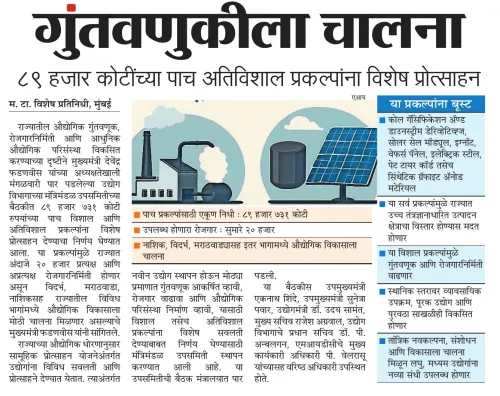
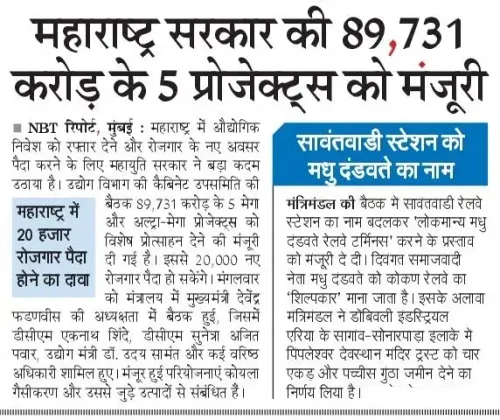
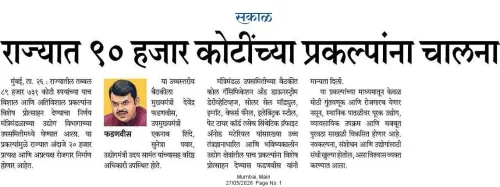
Maharashtra CM Devendra Fadnavis chaired a Cabinet Sub-Committee meeting on May 26, 2026, approving special incentives for five mega and ultra-mega projects worth ₹89,731 crore in high-tech sectors, expected to create 20,000 jobs across Vidarbha, Marathwada and Nashik.
Key Takeaways
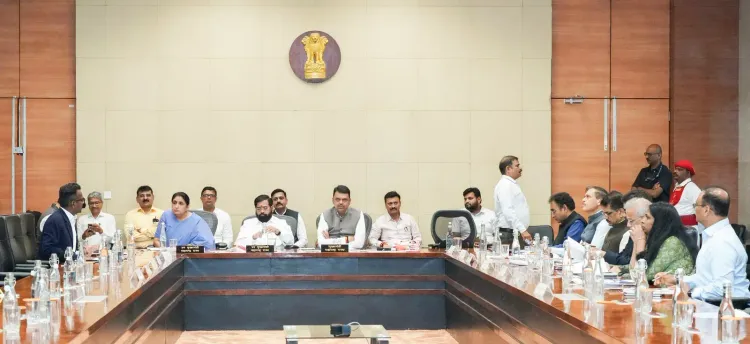
CM Devendra Fadnavis chaired the Industry Department's Cabinet Sub-Committee at Mantralaya, Mumbai on May 26, 2026 .
Special incentives were approved for five mega and ultra-mega projects with a proposed investment of approximately ₹89,731 crore .
Projects cover sectors including coal gasification , solar cell modules , electric steel , PET tyre cord , and synthetic graphite anode material .
The projects are projected to generate nearly 20,000 direct and indirect employment opportunities .
Investments are directed toward Vidarbha , Marathwada , and Nashik to reduce intra-state economic disparities.
DCM Eknath Shinde , DCM Sunetra Pawar , and Industry Minister Uday Samant were present at the meeting.
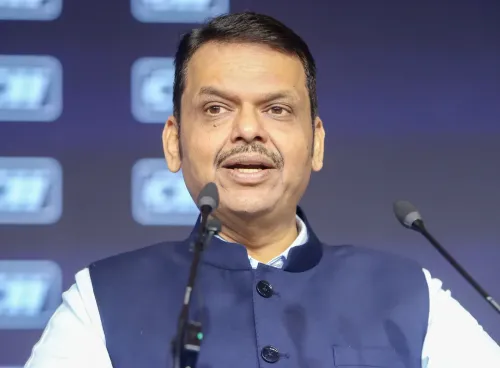
Maharashtra Chief Minister Devendra Fadnavis on Tuesday, May 26, 2026, chaired the Industry Department's Cabinet Sub-Committee meeting at Mantralaya, Mumbai, approving special incentives for five mega and ultra-mega industrial projects with a combined proposed investment of approximately ₹89,731 crore.
Context
The approved projects span high-tech and future-oriented sectors including coal gasification and downstream derivatives, solar cell modules, ingots, wafers and panels, electric steel, PET tyre cord, and synthetic graphite anode material. Together, they are projected to generate nearly 20,000 direct and indirect employment opportunities across the state.
The investments are designed to strengthen Maharashtra's advanced manufacturing ecosystem, with a deliberate focus on spreading industrial activity to Vidarbha, Marathwada, and Nashik — regions that have historically lagged behind the Mumbai-Pune industrial corridor in attracting large-scale capital.
Policy Backdrop
The approvals build on the foundation laid by the Maharashtra Industrial Policy 2019, which established a framework of fiscal incentives and single-window clearances specifically designed to attract mega and ultra-mega projects. That policy sought to make Maharashtra a preferred destination for capital-intensive manufacturing at a time when states like Gujarat, Tamil Nadu, and Karnataka were aggressively competing for the same investments.
At the national level, India's Production Linked Incentive (PLI) scheme, launched in 2020, extended complementary support to sectors including solar photovoltaics, electronics, and advanced materials manufacturing — precisely the categories covered by several of Tuesday's approved projects. State-level incentives of the kind cleared at Mantralaya are often structured to dovetail with PLI benefits, improving the overall return profile for investors.
The inclusion of synthetic graphite anode material and PET tyre cord signals Maharashtra's intent to move beyond conventional heavy industry into supply-chain segments critical for electric vehicles and renewable energy — sectors identified as national priorities under India's self-reliance agenda.
Stakeholders and Impact
Deputy Chief Minister Eknath Shinde, Deputy Chief Minister Sunetra Pawar, Industry Minister Uday Samant, and senior officials were present at the meeting, reflecting the coalition government's collective ownership of the industrial push. The presence of both deputy chief ministers underscores the political significance attached to the approvals within the ruling alliance.
For Vidarbha and Marathwada, regions that have long sought parity with western Maharashtra in industrial investment, the targeted allocation of projects represents a meaningful policy signal. Both regions have faced persistent demands from local leaders and industry bodies for greater capital inflows to address unemployment and economic underdevelopment.
The high-tech nature of the approved sectors — particularly solar manufacturing and advanced battery materials — also positions Maharashtra to capture a share of the global supply-chain realignment underway as companies diversify sourcing away from single geographies.
What's Next
The immediate milestones to watch are the issuance of formal project sanction letters, progress on land acquisition, and the actual disbursement of approved incentives — processes that typically unfold over 12 to 18 months following cabinet-level clearances. Any further approvals or updates are likely to surface during the next Maharashtra legislative session.
If the projected investments materialise at scale, they would represent a significant addition to Maharashtra's industrial output and could reinforce the state's position as India's leading destination for advanced manufacturing capital — while testing the government's ability to deliver on its regional equity commitments in Vidarbha and Marathwada.
Point of View
Future-oriented sectors while channelling it toward politically and economically underserved regions. The inclusion of battery-material and solar supply-chain projects aligns Maharashtra with national self-reliance priorities, giving the state a stronger pitch against rivals like Gujarat and Tamil Nadu. The coalition optics — both deputy chief ministers present and tagged — suggest the ruling alliance is keen to share credit for economic wins ahead of any electoral cycle. The real test, however, lies in execution: land acquisition and incentive disbursement timelines will determine whether these approvals translate into ground-level industrial activity.
NationPress
10 Oct 2026
Frequently Asked Questions
What projects did CM Fadnavis approve at Mantralaya on May 26 2026?
CM Devendra Fadnavis approved special incentives for five mega and ultra-mega industrial projects worth approximately ₹89,731 crore, covering sectors such as coal gasification, solar cell modules, electric steel, PET tyre cord, and synthetic graphite anode material.
How many jobs will the Maharashtra mega projects create?
The five approved projects are expected to generate nearly 20,000 direct and indirect employment opportunities across Maharashtra, particularly in Vidarbha, Marathwada and Nashik.
Which regions of Maharashtra will benefit from the new industrial projects?
The investments are specifically directed toward Vidarbha, Marathwada and Nashik — regions that have historically received less industrial investment compared to the Mumbai-Pune corridor.
What is Maharashtra's policy framework for attracting mega industrial projects?
Maharashtra's Industrial Policy 2019 provides a framework of fiscal incentives and single-window clearances for mega and ultra-mega projects, which state-level approvals like Tuesday's are designed to operationalise.
Who attended the Industry Department Cabinet Sub-Committee meeting at Mantralaya?
Deputy Chief Minister Eknath Shinde, Deputy Chief Minister Sunetra Pawar, Industry Minister Uday Samant, and senior government officials attended the meeting chaired by CM Devendra Fadnavis.