CM Fadnavis Opens Warana Dairy Outlet at CSMT Metro Station
Synopsis
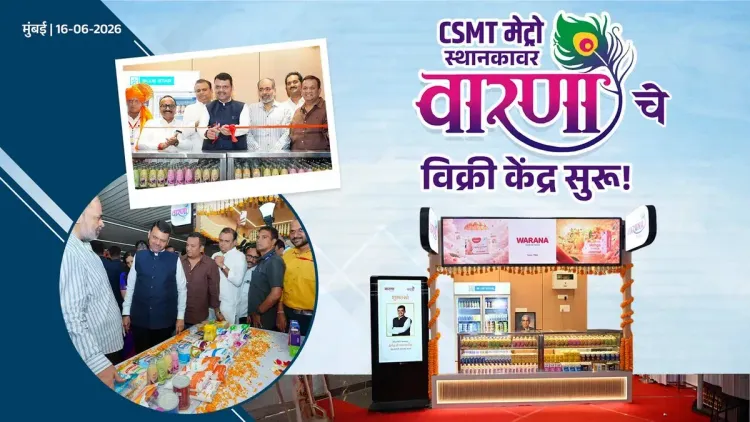
Maharashtra CM Devendra Fadnavis on June 16, 2026 inaugurated a Warana Sahakari dairy sales centre at CSMT Metro Station in Mumbai, giving Kolhapur district farmers a direct retail presence in one of the city's busiest transit hubs and piloting a cooperative-metro retail model.
Key Takeaways
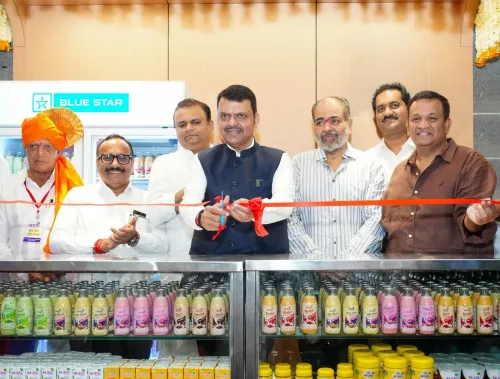
CM Devendra Fadnavis inaugurated the Warana Sahakari Dudh Utpadak Prakriya Sangh Ltd. sales outlet at CSMT Metro Station on June 16, 2026 .
Warana cooperative , founded in 1963 , represents dairy farmers from Kolhapur and Sangli districts in western Maharashtra.
The outlet is located on Mumbai Metro Line 3 (Colaba-Bandra-SEEPZ corridor), which has provisions for station-area commercial development.
The initiative is designed to create employment in retail, food, and services at metro stations as the Line 3 ecosystem develops.
Assembly Speaker Rahul Narwekar , Minister Atul Save , and MLA Dr.
Vinay Kore attended the inauguration.
The CSMT pilot could become a template for cooperative retail outlets at metro stations in Pune and Nagpur .
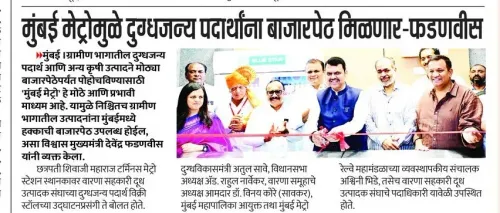
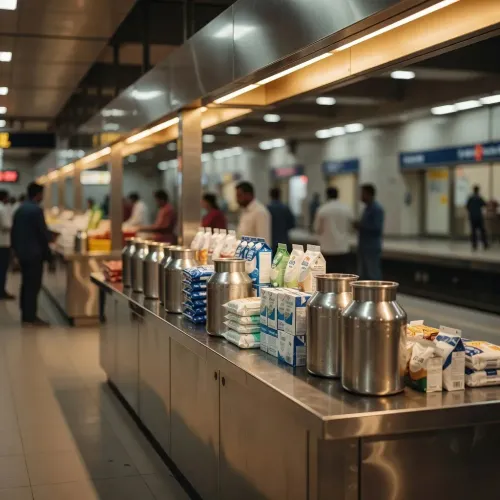
Maharashtra Chief Minister Devendra Fadnavis on Tuesday, June 16, 2026, inaugurated a 'Milk and Dairy Products Sales Centre' of Shri Warana Sahakari Dudh Utpadak Prakriya Sangh Ltd. at the Chhatrapati Shivaji Maharaj Terminus Metro Station in Mumbai, marking a new chapter for one of western Maharashtra's most recognised cooperative dairy brands.
Context
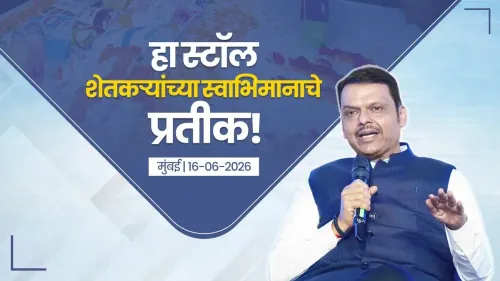
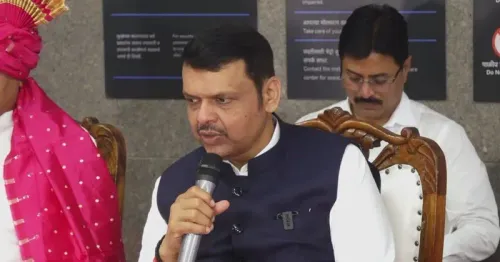
Fadnavis described the opening as 'a matter of pride for Maharashtra's cooperative sector, especially the farmers of Kolhapur district.' The outlet brings Warana's milk and dairy products — long trusted in western Maharashtra — directly to one of Mumbai's busiest transit hubs, making them accessible to daily metro commuters.
Assembly Speaker Adv Rahul Narwekar, Minister Atul Save, and MLA Dr. Vinay Kore were among the dignitaries present at the inauguration ceremony.
Policy Backdrop
Warana cooperative was established in 1963 to organise milk producers across Kolhapur and Sangli districts, and has since grown into a widely distributed dairy brand across Maharashtra. The cooperative model it represents has been a cornerstone of Maharashtra's rural economy, linking farm-level producers to urban consumers.
Mumbai Metro Line 3 — the Colaba-Bandra-SEEPZ corridor — received central government approval in 2013 with provisions for station-area commercial development. The CSMT Metro Station serves the historic rail terminus in south Mumbai and is expected to see high daily footfall as the corridor becomes fully operational. Retail spaces within metro stations are increasingly being used under transit-oriented development norms to host direct-marketing outlets for producers.
Stakeholders and Impact
For dairy farmers of Kolhapur district, the outlet represents a direct urban retail channel that could improve price realisation and brand visibility without dependence on intermediaries. Commuters on Metro Line 3 gain convenient access to a range of dairy products during their daily travel routines.
Fadnavis noted that 'as a new ecosystem develops around Metro Line 3, such initiatives will create employment opportunities through retail, food and service establishments across metro stations.' The model integrates cooperative agriculture policy with urban transit infrastructure — two policy verticals that have rarely intersected at this scale in Maharashtra.
What's Next
The inauguration is likely to prompt calls for similar cooperative outlets at other stations along Metro Line 3 and potentially on upcoming metro corridors in Pune and Nagpur. Maharashtra's government has historically championed cooperative dairy models, and the CSMT pilot could serve as a template for state policy on transit-retail integration for rural producers.
Whether the Warana model scales across the metro network will depend on the commercial performance of this first outlet and the willingness of metro authorities to allocate retail space to cooperative enterprises over private vendors.
Point of View
The optics serve a dual purpose — reinforcing BJP's rural-farmer credentials in Kolhapur, a region with strong cooperative political networks, while also showcasing Metro Line 3 as a live economic asset rather than just a transit project. The move aligns with a broader national push for transit-oriented development, but the cooperative angle gives it a distinctly Maharashtrian political texture. Whether this remains a one-off inauguration or seeds a replicable state policy will be the real test of its intent.
NationPress
15 Sept 2026
Frequently Asked Questions
What is the Warana dairy cooperative and where is it based?
Warana Sahakari Dudh Utpadak Prakriya Sangh Ltd. is a dairy cooperative founded in 1963 , based in Kolhapur and Sangli districts of western Maharashtra. It organises milk producers and markets dairy products across Maharashtra.
Where exactly is the new Warana outlet in Mumbai?
The outlet is located at Chhatrapati Shivaji Maharaj Terminus (CSMT) Metro Station on Mumbai Metro Line 3 , the Colaba-Bandra-SEEPZ underground corridor in south Mumbai.
Who inaugurated the Warana outlet at CSMT Metro Station?
Maharashtra Chief Minister Devendra Fadnavis inaugurated the outlet on June 16, 2026 , in the presence of Assembly Speaker Rahul Narwekar, Minister Atul Save, and MLA Dr. Vinay Kore.
How does the Warana metro outlet benefit farmers?
The outlet gives dairy farmers from Kolhapur district a direct retail channel in Mumbai, improving brand visibility and urban market access without relying on intermediaries.
Will similar cooperative outlets open at other Mumbai Metro stations?
No official announcement has been made, but CM Fadnavis indicated that the developing ecosystem around Metro Line 3 will support more retail and employment initiatives at metro stations. Extension to Pune and Nagpur metro corridors is being watched.