CM Fadnavis Inaugurates Warana Dairy Outlet in Mumbai
Synopsis
Maharashtra CM Devendra Fadnavis inaugurated a Warana cooperative dairy sales centre in Mumbai on 16 June 2026, describing it as a symbol of self-respect for Kolhapur district farmers and reinforcing the state's push to connect farmer-owned cooperatives directly with urban consumers.
Key Takeaways
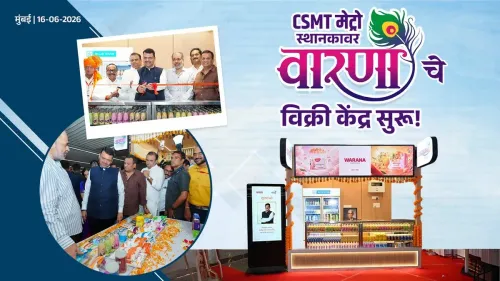
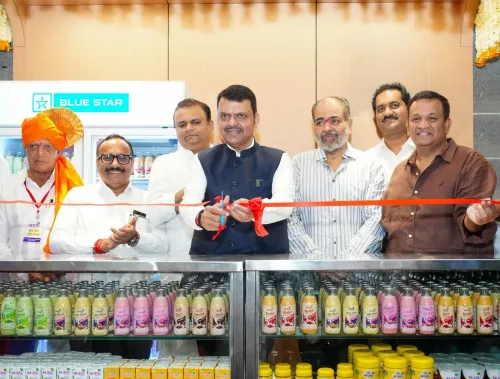
CM Devendra Fadnavis inaugurated the Shri Warana Sahakari Doodh Utpadak Prakriya Sangh milk and dairy sales outlet in Mumbai on 16 June 2026 .
Fadnavis described the stall as 'a symbol of the self-respect of farmers of Kolhapur district ', not merely a commercial outlet.
The Warana cooperative is rooted in the cooperative movement that began in Kolhapur in the 1950s , diversifying from sugar into dairy.
The Mumbai outlet gives cooperative farmers direct urban market access, reducing middlemen and improving price realisation.
The move aligns with Maharashtra's broader policy of expanding cooperative dairy retail into metropolitan markets.
Further rollout of similar outlets in other Maharashtra cities and state budget support for cooperative infrastructure are being watched.
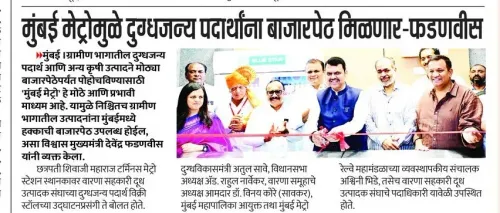
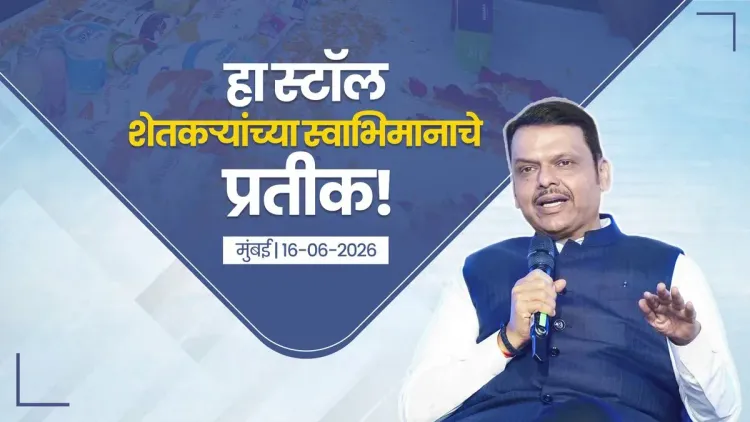
Maharashtra Chief Minister Devendra Fadnavis on 16 June 2026 inaugurated a milk and dairy products sales centre of the Shri Warana Sahakari Doodh Utpadak Prakriya Sangh in Mumbai, calling the stall a symbol of the self-respect of farmers from Kolhapur district.
Context
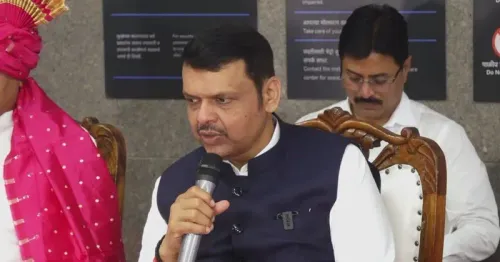
Addressing the inauguration, Fadnavis said in Marathi and Hindi: 'हा केवळ श्री वारणा सहकारी दूध उत्पादक प्रक्रिया संघाचा स्टॉल नाही, तर कोल्हापूर जिल्ह्यातील शेतकऱ्यांच्या स्वाभिमानाचे प्रतीक आहे' — 'This is not merely a stall of the Shri Warana Cooperative Milk Producers Processing Union, but a symbol of the self-respect of farmers of Kolhapur district.' The remark framed the retail outlet not as a commercial venture but as an assertion of farmer dignity in Maharashtra's financial capital.
The Warana Sahakari Doodh Utpadak Prakriya Sangh is a farmer-owned cooperative based in Kolhapur, western Maharashtra, engaged in the processing and marketing of milk and dairy products. Opening a direct sales centre in Mumbai gives the cooperative urban market access and allows farmers to capture value that would otherwise flow to intermediaries.
Policy Backdrop
The Warana cooperative movement traces its origins to the 1950s, when the Warana Sahakari Sakhar Karkhana (sugar cooperative) was established in Kolhapur, later diversifying into dairy and other agro-processing activities. Kolhapur district has since become one of western Maharashtra's most prominent examples of the cooperative enterprise model, spanning sugar, dairy, and banking sectors.
India's Operation Flood, launched in 1970, scaled dairy cooperatives across the country by linking rural milk producers directly to urban consumers — a model that Maharashtra societies, including those in Kolhapur, adopted and expanded. The current initiative continues that lineage by establishing a direct retail presence in Mumbai, reducing dependence on middlemen and improving price realisation for member farmers.
Maharashtra governments across political formations have consistently backed farmer-owned cooperatives as instruments of rural income enhancement and collective bargaining. Recent state-level emphasis has been on direct urban retail outlets for cooperative dairy brands as a mechanism to raise farmer incomes.
Stakeholders and Impact
The primary beneficiaries of the new outlet are dairy farmers affiliated with the Warana cooperative in Kolhapur district, who stand to gain from improved margins as their products reach urban consumers without layers of intermediaries. Cooperative societies across western Maharashtra are also watching the model closely as a potential template for urban expansion.
For Mumbai consumers, the outlet offers direct access to cooperative-branded milk and dairy products. The move also strengthens the cooperative sector's visibility in an increasingly competitive urban dairy market dominated by large private players.
What's Next
The inauguration signals a broader push by the Maharashtra government to expand cooperative dairy retail into metropolitan markets. Similar outlets in other major cities — including Pune, Nagpur, and Nashik — could follow if the Mumbai centre demonstrates commercial viability. State budget allocations for cooperative infrastructure and cold-chain logistics will be a key indicator of how far this policy direction extends.
Point of View
Fadnavis is making a calculated political statement in a region — western Maharashtra — where cooperative institutions have historically commanded deep voter loyalty. The move signals that the BJP-led Maharashtra government is actively contesting the cooperative sector's political terrain, long associated with rival political formations in Kolhapur and the sugar belt. Linking a routine retail inauguration to farmer self-respect elevates it from an administrative act to a symbolic assertion of rural empowerment. If the urban outlet model is scaled, it could meaningfully shift income flows toward cooperative farmer-members and strengthen the government's credibility on agrarian welfare ahead of future electoral cycles.
NationPress
15 Sept 2026
Frequently Asked Questions
What did CM Fadnavis inaugurate in Mumbai on 16 June 2026?
CM Devendra Fadnavis inaugurated a milk and dairy products sales centre of the Shri Warana Sahakari Doodh Utpadak Prakriya Sangh in Mumbai on 16 June 2026, giving the Kolhapur-based dairy cooperative a direct urban retail presence.
What is the Warana cooperative and where is it based?
The Shri Warana Sahakari Doodh Utpadak Prakriya Sangh is a farmer-owned dairy cooperative based in Kolhapur district, western Maharashtra. It processes and markets milk and dairy products and is part of the broader Warana cooperative movement that dates to the 1950s.
Why did Fadnavis call the Warana stall a symbol of farmers' self-respect?
Fadnavis used the phrase to frame the outlet as representing the collective dignity and enterprise of Kolhapur district's dairy farmers rather than just a commercial venture, emphasising that farmer-owned cooperatives can compete directly in urban markets.
How does the Mumbai dairy outlet benefit Kolhapur farmers?
By selling directly to Mumbai consumers, the Warana cooperative bypasses intermediaries, allowing member farmers to capture a greater share of the retail price of milk and dairy products.
Will similar cooperative dairy outlets open in other Maharashtra cities?
The Maharashtra government has signalled interest in expanding the cooperative dairy retail model to other metros. Further rollout will depend on the Mumbai outlet's commercial performance and state budget support for cooperative infrastructure.