CM Fadnavis Orders High-Level RTO Inquiry in Maharashtra
Synopsis
Chief Minister Devendra Fadnavis announced a high-level inquiry into alleged malpractices in Maharashtra's RTO department from the floor of the Legislative Assembly on 7 July 2026 during the Monsoon Session. The move revives earlier anti-corruption drives targeting the state's transport bureaucracy.
Key Takeaways
CM Devendra Fadnavis announced a high-level inquiry into alleged malpractices in the Maharashtra RTO department on 7 July 2026 .
The announcement was made from the Maharashtra Legislative Assembly, Mumbai , during the Monsoon Session 2026 .
The RTO department handles vehicle registration, driving licences, and enforcement across Maharashtra.
During his 2014–2019 tenure, Fadnavis had previously introduced online services and CCTV in select RTOs to curb corruption.
Stakeholders affected include vehicle owners , driving licence applicants , and RTO staff across the state.
Next steps include formal constitution of the inquiry panel and potential transfer of officials or legislative rule changes.
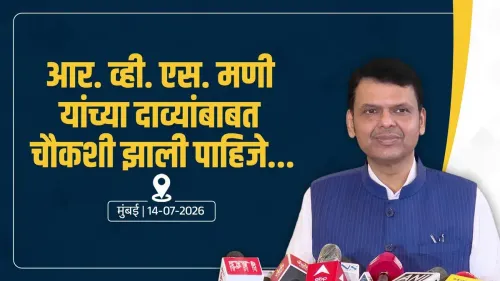
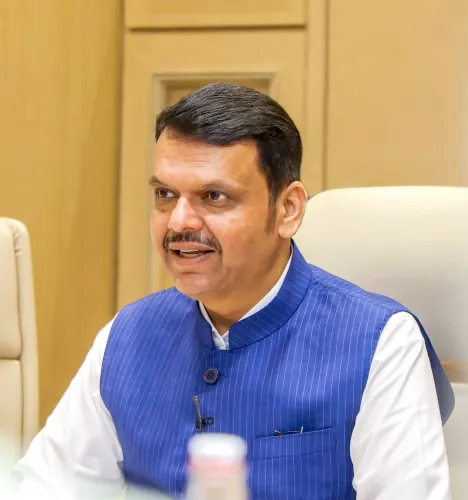
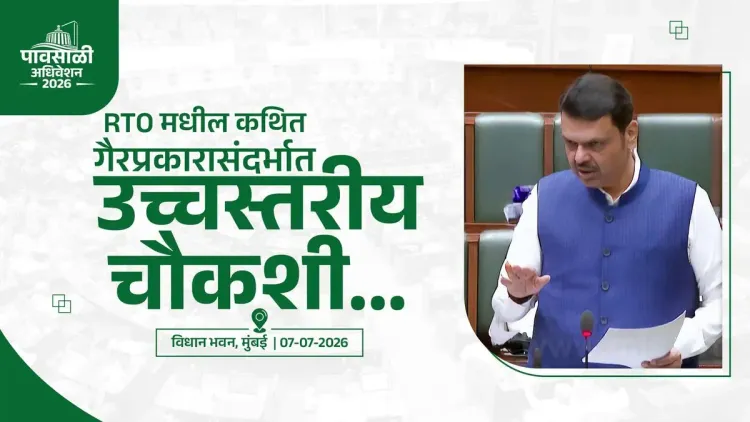
Maharashtra Chief Minister Devendra Fadnavis announced on Tuesday, 7 July 2026, that a high-level inquiry will be conducted into alleged malpractices within the state's Regional Transport Office (RTO) department, making the declaration from the floor of the Maharashtra Legislative Assembly in Mumbai during the ongoing Monsoon Session 2026.
Context
Addressing the Assembly, Fadnavis stated — in both English and Marathi — 'आरटीओ विभागातील कथित गैरप्रकारांची उच्चस्तरीय चौकशी करणार' ('A high-level inquiry will be conducted to investigate the alleged malpractices within the RTO department'). The announcement came during the Monsoon Session 2026, a period when legislators traditionally raise issues of public grievance and administrative accountability.
The RTO department under the Maharashtra Transport Department oversees vehicle registration, driving licence issuance, and enforcement functions across the state. It operates through a network of regional offices and is a high-footfall public interface, making it a recurring flashpoint for complaints about middlemen and irregular payments.
Policy Backdrop
Maharashtra governments have periodically launched inquiries and digitisation drives targeting the transport department following complaints of corruption in licence issuance and vehicle fitness certification. During his earlier tenure from 2014 to 2019, Fadnavis had pushed for online services and CCTV installation in select RTOs to reduce the role of middlemen and curb bribery.
The current announcement signals a return to that governance priority, this time with a formal high-level inquiry mechanism rather than a purely administrative or technology-driven response. Such probes, when completed, have historically led to transfers of officials and tightening of procedural norms within the transport bureaucracy.
Stakeholders and Impact
The inquiry is expected to affect a wide range of stakeholders: vehicle owners who interact with RTOs for registration and fitness certificates, driving licence applicants, and RTO staff whose conduct will come under scrutiny. For ordinary citizens, a credible inquiry could translate into faster, cleaner service delivery at transport offices across Maharashtra.
The announcement made directly from the Maharashtra Legislative Assembly gives it legislative weight and signals that the government is prepared to be held accountable for the inquiry's progress by elected representatives of both the treasury and opposition benches.
What's Next
The key milestones to watch include the formal constitution of the inquiry panel, the scope and timeline it is assigned, and whether its findings prompt transfers of officials or amendments to the rules governing Maharashtra's Motor Vehicles Act administration. Legislative follow-up during the remainder of the Monsoon Session 2026 is also likely, with opposition members expected to press the government on specifics. The credibility of this initiative will ultimately be judged by whether inquiry findings are made public and acted upon in a time-bound manner.
Point of View
Placing the government's accountability on the legislative record where it can be tracked by opposition members. The move fits a broader pattern in Maharashtra where transport-department reform has been used as a visible governance marker, particularly by BJP-led administrations seeking to demonstrate anti-corruption credentials. The high-level framing suggests the probe is intended to go beyond routine departmental action, though the proof will lie in its composition and timeline. If the inquiry yields public findings and actionable outcomes, it could reinforce Fadnavis's administrative credibility; if it stalls, it risks becoming a political liability during the session itself.
NationPress
6 Oct 2026
Frequently Asked Questions
What did CM Fadnavis announce about the RTO department?
Chief Minister Devendra Fadnavis announced on 7 July 2026 that a high-level inquiry will be conducted into alleged malpractices within Maharashtra's Regional Transport Office (RTO) department, making the declaration during the Monsoon Session of the Maharashtra Legislative Assembly.
What malpractices are alleged in Maharashtra's RTO department?
The announcement refers to 'alleged malpractices' in the RTO department without specifying individual cases. Maharashtra's RTOs have historically faced complaints related to corruption in driving licence issuance, vehicle registration, and fitness certification, often involving middlemen.
What is the Maharashtra Monsoon Session 2026?
The Monsoon Session 2026 is the mid-year sitting of the Maharashtra Legislative Assembly in Mumbai, during which legislators debate policy, raise public grievances, and hold the government accountable. CM Fadnavis made the RTO inquiry announcement from the Assembly floor during this session.
Has Maharashtra probed RTO corruption before?
Yes. Maharashtra governments have periodically launched inquiries and digitisation drives targeting the transport department. During Fadnavis's earlier tenure from 2014 to 2019, online services and CCTV were introduced in select RTOs to reduce middlemen and curb bribery.
What happens after a high-level inquiry into an RTO department?
Typically, a high-level inquiry can lead to transfer or suspension of officials found responsible, tightening of procedural norms, and in some cases legislative or regulatory amendments. The outcome depends on the inquiry panel's findings and the government's response to them.