CM Fadnavis Meets Amit Shah Over Maharashtra Drought Crisis
Synopsis
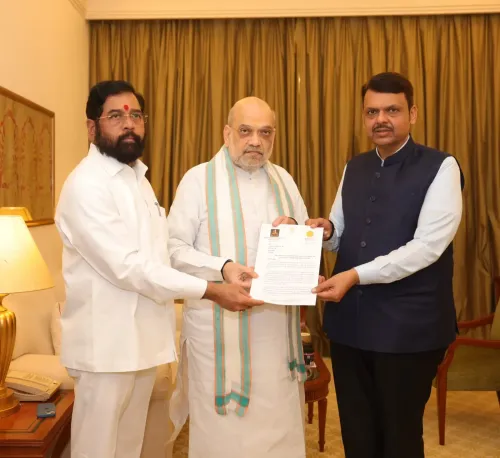
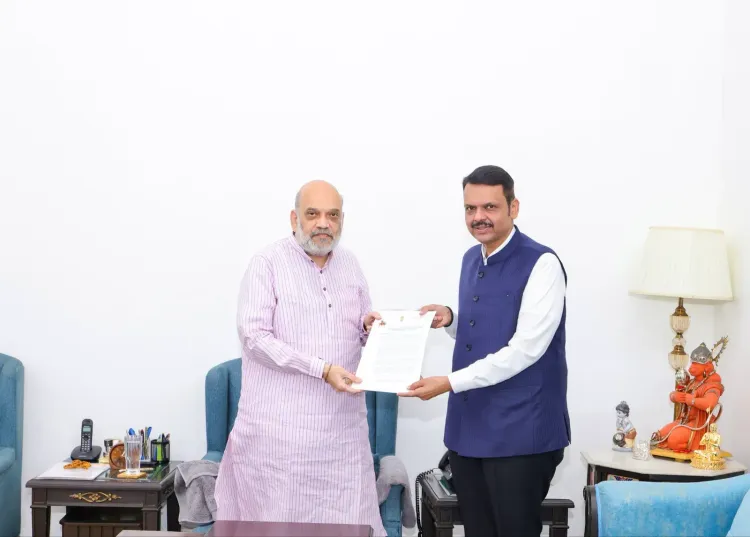
Maharashtra Chief Minister Devendra Fadnavis met Union Home Minister Amit Shah in New Delhi on October 7 to seek maximum NDRF assistance for a drought spanning over 265 talukas. Shah assured full central support and announced a government survey team will visit Maharashtra from October 8 to 11.
Key Takeaways
CM Devendra Fadnavis met Union Home Minister Amit Shah in New Delhi on October 7, 2026 over Maharashtra's drought crisis.
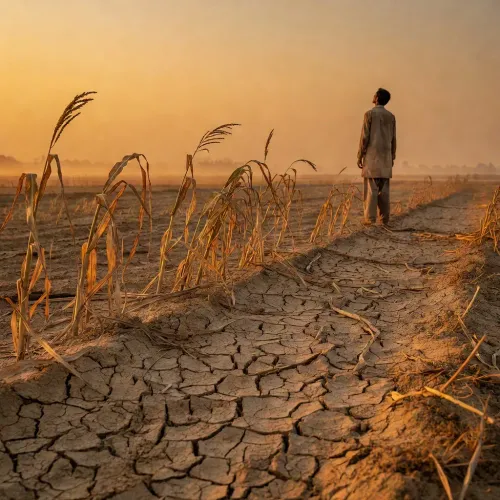
Drought has been officially declared in more than 265 talukas across Maharashtra — roughly three-quarters of the state's total talukas.
Fadnavis submitted a formal memorandum on behalf of the state government and requested maximum assistance from the National Disaster Response Fund (NDRF) .
Amit Shah assured that the Central government will stand firmly with Maharashtra and provide maximum possible help.
A central government survey team is scheduled to visit Maharashtra between October 8 and October 11 to assess ground conditions — a step required before NDRF funds are formally allocated.
State-level drought relief measures have already been announced for all affected areas.
With drought declared across more than 265 talukas in Maharashtra, Chief Minister Devendra Fadnavis carried the state's case to the highest level available — travelling to New Delhi on Wednesday, October 7 to meet Union Home Minister Amit Shah and press for maximum relief under the National Disaster Response Fund.
What Fadnavis Placed Before the Home Minister
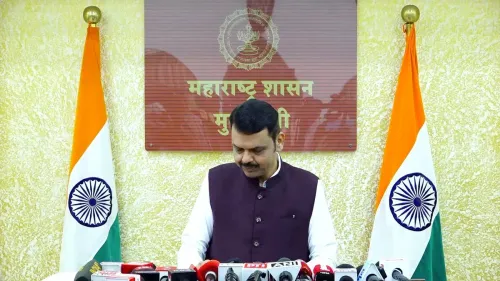
In a detailed briefing, CM Fadnavis walked Shah through the full scale of the drought — condition by condition, taluka by taluka — and handed over a formal memorandum on behalf of the Maharashtra government. He told Shah that state-level relief measures have already been announced for all affected areas, but that the sheer breadth of the crisis — more than 265 talukas — demands significant central support via NDRF (National Disaster Response Fund). Writing in Marathi, Fadnavis described the meeting: 'संपूर्ण परिस्थिती सांगत राज्य सरकारतर्फे करण्यात येत असलेल्या उपाययोजनांची माहिती त्यांना दिली' — ('I briefed him on the full situation and informed him of the relief measures being undertaken by the state government.').
Shah's Assurance and the October 8–11 Central Team Visit
Amit Shah assured the Chief Minister that the Centre would stand firmly behind Maharashtra and provide maximum possible assistance. More concretely, Shah informed Fadnavis that a central government survey team will arrive in Maharashtra between October 8 and October 11 — a ground-level assessment that is typically a prerequisite before NDRF funds are formally released. The four-day window signals urgency on the Centre's part.
Fadnavis publicly thanked the Home Minister for the commitment, calling it a sign that the Central government will stand firmly with Maharashtra — his words: 'केंद्र सरकार भक्कमपणे महाराष्ट्राच्या पाठीशी उभे राहील' ('The Central government will stand strongly behind Maharashtra').
Why 265-Plus Talukas Is a Number That Commands Attention
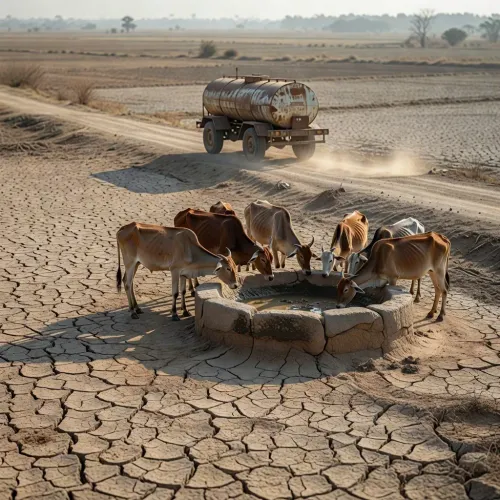
Maharashtra has 358 talukas in total. A drought declaration across more than 265 of them means roughly three-quarters of the state's administrative subdivisions are officially in distress — a scale that places extraordinary pressure on both state finances and agricultural output. Drought declarations in Maharashtra trigger a cascade of mandatory relief obligations: input subsidies for farmers, drinking-water supply arrangements, fodder camps, and revenue relief — all of which must be funded before NDRF reimbursements flow back from New Delhi.
The central survey team's findings over October 8–11 will determine the quantum of NDRF support the state can formally claim. Every day of that assessment carries direct consequences for millions of farmers across the Marathwada, Vidarbha, and northern Maharashtra regions most prone to rain-deficit years.
Point of View
The NDRF quantum being negotiated could run into thousands of crores, making the October 8–11 survey team's report a document of enormous consequence for Maharashtra's farm economy and the state government's fiscal headroom heading into the next budget cycle.
NationPress
7 Oct 2026
Frequently Asked Questions
How many talukas have been declared drought-affected in Maharashtra in 2026?
More than 265 talukas across Maharashtra have been officially declared drought-affected, triggering state-level relief measures and a request for central NDRF assistance.
What did CM Fadnavis ask from the Centre during his New Delhi meeting?
CM Devendra Fadnavis requested maximum financial assistance from the National Disaster Response Fund (NDRF) and submitted a formal memorandum outlining Maharashtra's drought situation and the relief steps already taken by the state government.
When will the central government team visit Maharashtra for the drought survey?
A central government survey team is scheduled to visit Maharashtra between October 8 and October 11, 2026 to conduct a ground-level assessment — a standard step before NDRF funds are formally released.
What assurance did Amit Shah give Maharashtra on drought relief?
Amit Shah assured Chief Minister Fadnavis that the Central government will stand firmly with Maharashtra and provide maximum possible assistance from central funds.
What relief measures has the Maharashtra government already announced for drought-hit areas?
The Maharashtra state government has announced drought relief measures across all declared drought-affected talukas. These typically include input subsidies for farmers, drinking-water arrangements, fodder camps, and revenue relief, pending NDRF reimbursement from the Centre.