FM Sitharaman meets Indian Bank MD & CEO in Chennai
Synopsis
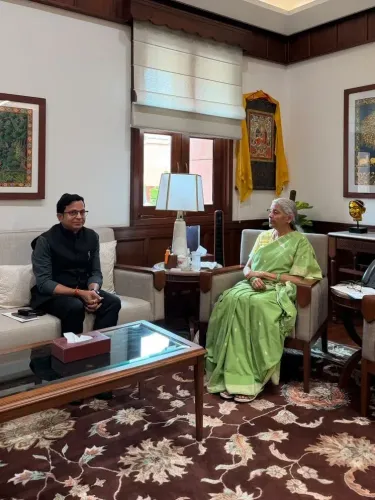
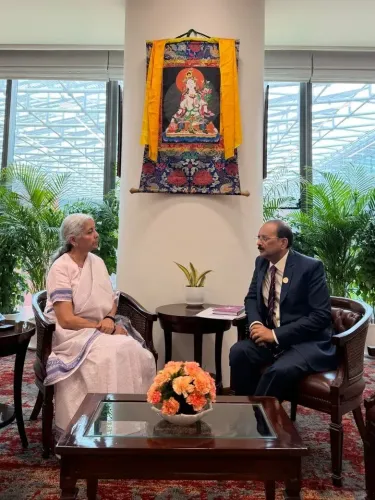
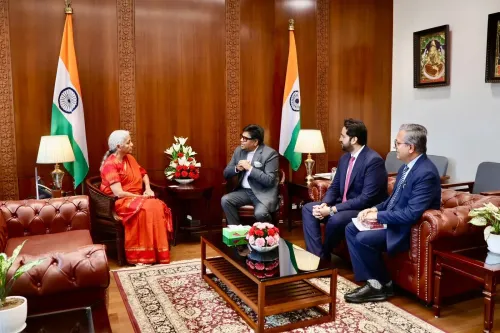
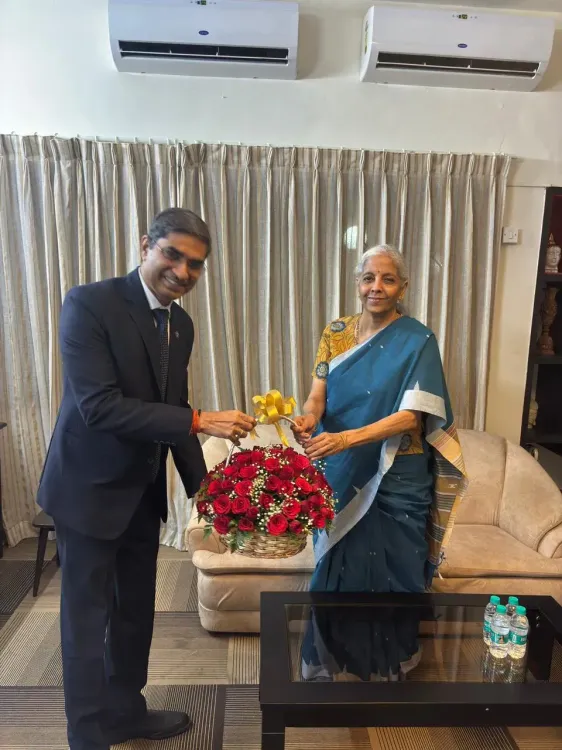
Union Finance Minister Nirmala Sitharaman held a meeting with Indian Bank MD and CEO Binod Kumar in Chennai on 27 June 2026. The engagement is part of routine ministerial oversight of public sector banks, with Indian Bank having merged with Allahabad Bank in 2020 under the government's consolidation drive.
Key Takeaways
Union Finance Minister Nirmala Sitharaman met Indian Bank MD & CEO Binod Kumar in Chennai on 27 June 2026 .
Indian Bank is headquartered in Chennai and was merged with Allahabad Bank in April 2020 as part of a government-led PSU bank consolidation.
The consolidation reduced the number of public sector banks from 10 to 4 , announced in August 2019 .
Such ministerial meetings typically cover credit disbursement, asset quality, digital banking, and priority sector lending.
No specific outcomes or decisions from the meeting were disclosed publicly.
Indian Bank's Q1 FY27 results and any recapitalisation announcements will be the next key watch points for the sector.
Union Finance Minister Nirmala Sitharaman received Binod Kumar, Managing Director and Chief Executive Officer of Indian Bank, in Chennai on Friday, 27 June 2026. The courtesy call at the public sector lender's home city underlines the Finance Ministry's ongoing engagement with nationalised bank leadership on operational and strategic matters.
Context
Indian Bank, headquartered in Chennai, is one of India's major public sector banks. It was nationalised in 1969 and underwent a significant structural change in April 2020 when it merged with Allahabad Bank as part of the government's broader consolidation of public sector lenders. The merger was among a set of reforms that reduced the number of public sector banks from 10 to 4, announced by the Finance Ministry in August 2019.
Chennai is also the home state base of Sitharaman, who has historically maintained regular official engagements in Tamil Nadu. The meeting with the Indian Bank chief adds to a pattern of such interactions the Finance Minister holds with heads of state-owned financial institutions.
Policy Backdrop
One-on-one meetings between the Union Finance Minister and public sector bank chiefs are a standard feature of the Ministry's oversight architecture. These sessions typically cover credit disbursement trends, asset quality improvement, digital banking initiatives, and priority sector lending compliance — all of which have come under sharper focus following the post-merger integration of Indian Bank and Allahabad Bank.
The Department of Financial Services conducts quarterly performance reviews of public sector banks, and the Reserve Bank of India mandates its own assessments. Ministerial-level meetings supplement these institutional mechanisms, providing a direct channel for bank management to flag operational concerns or seek policy clarity.
Stakeholders and Impact
Indian Bank serves millions of retail, agricultural, and MSME customers across India, with a particularly strong footprint in Tamil Nadu and southern states. Its leadership's access to the Finance Minister is significant for signalling institutional priorities ahead of key review cycles.
Broader banking sector stakeholders — including depositors, borrowers, and investors in public sector bank stocks — watch such meetings for any policy signals around recapitalisation, lending mandates, or governance changes. No specific outcomes of the meeting were disclosed in the post.
What's Next
Attention will now turn to Indian Bank's Q1 FY27 results, which will offer the first financial snapshot of the lender's performance under the current fiscal year. Any mid-year announcements on priority sector lending targets or capital infusion needs — particularly if flagged in Parliament — could reflect themes discussed in meetings such as this one. The Finance Ministry's engagement calendar with other public sector bank chiefs in the coming weeks will also be closely watched.
Point of View
Such interactions likely serve as a performance temperature check ahead of quarterly results cycles. The choice of Chennai as the venue also reflects Sitharaman's consistent engagement with institutions rooted in her home state. While the meeting itself is routine, the timing — early in FY27 — suggests the Ministry is keeping a close watch on credit growth and asset quality as macroeconomic conditions evolve.
NationPress
25 Sept 2026
Frequently Asked Questions
Why did Indian Bank CEO meet Finance Minister Sitharaman?
Indian Bank MD and CEO Binod Kumar called on Finance Minister Nirmala Sitharaman in Chennai on 27 June 2026 as part of routine ministerial engagement between the Finance Ministry and public sector bank leadership.
Where is Indian Bank headquartered?
Indian Bank is headquartered in Chennai, Tamil Nadu. It is a public sector bank nationalised in 1969.
What was the Indian Bank and Allahabad Bank merger?
Indian Bank merged with Allahabad Bank in April 2020 as part of the government's consolidation of 10 public sector banks into 4 entities, announced by the Finance Ministry in August 2019.
What do Finance Minister meetings with PSU bank chiefs usually cover?
These meetings typically cover credit disbursement performance, asset quality, digital banking progress, priority sector lending compliance, and any concerns about capital requirements or governance.
What should we watch after this Sitharaman-Indian Bank meeting?
Key things to watch include Indian Bank's Q1 FY27 financial results and any government announcements on priority sector lending targets or bank recapitalisation in Parliament.