UP Cabinet approves free LPG cylinders, 1,725 AC electric buses and 30+ proposals
Synopsis
In a sweeping cabinet session, the Yogi Adityanath government cleared 39 proposals in one sitting — free LPG refills for crores of Ujjwala beneficiaries, 1,725 green buses for 18 cities, a Sardar Patel skill-zone covering all 75 districts, and the politically charged renaming of Noida's under-construction international airport after Prime Minister Narendra Modi.
Key Takeaways
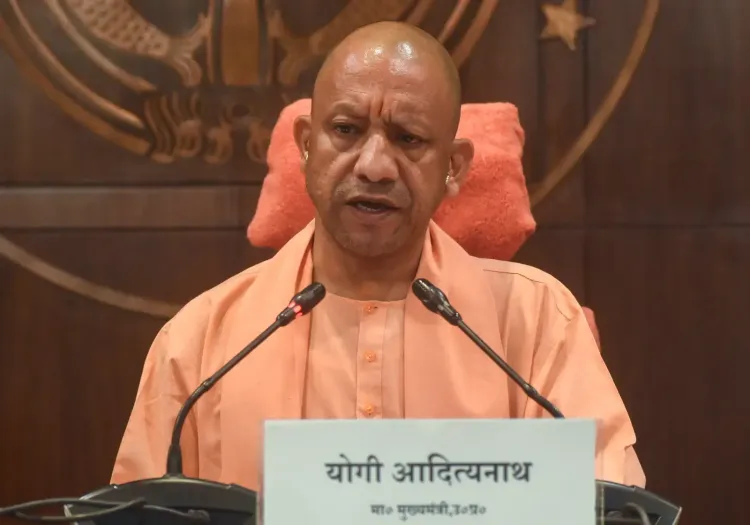
The UP Cabinet cleared more than 39 proposals on 9 October 2026 , chaired by Chief Minister Yogi Adityanath in Lucknow .
Two free LPG cylinder refills will be provided to eligible Pradhan Mantri Ujjwala Yojana beneficiaries in 2026-27 at a state cost of ₹2,142.78 crore .
1,725 AC electric buses will operate across 18 UP cities under 12-year private operator contracts .
The Sardar Vallabhbhai Patel Skill Training and Employment Zone scheme will cover all 75 districts across 9 zones .
Noida International Airport near Jewar is to be renamed Narendra Modi International Airport .
3,80,290 Anganwadi workers and helpers will now receive three sarees annually, up from two.
The Uttar Pradesh Cabinet on Friday, 9 October 2026, cleared more than 39 proposals in a meeting chaired by Chief Minister Yogi Adityanath in Lucknow, approving measures ranging from free LPG cylinder refills for Pradhan Mantri Ujjwala Yojana beneficiaries to the deployment of 1,725 air-conditioned electric buses across 18 cities and the launch of a new skill-training initiative named after Sardar Vallabhbhai Patel. The decisions collectively affect millions of households, daily commuters, and Anganwadi workers across the state.
Free LPG Cylinders for Ujjwala Beneficiaries
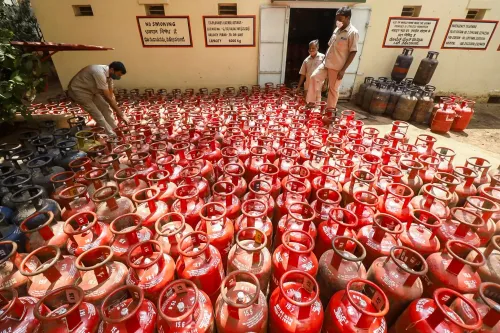
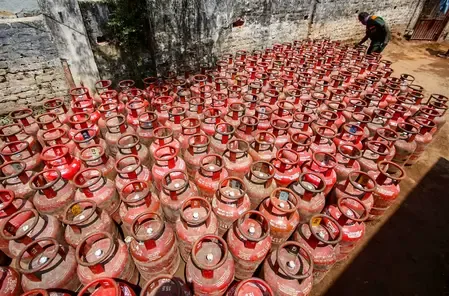
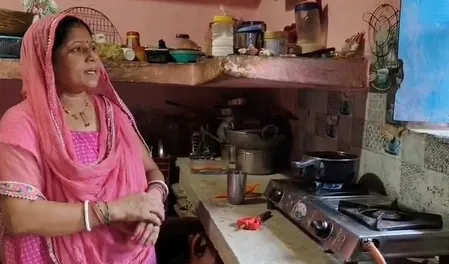
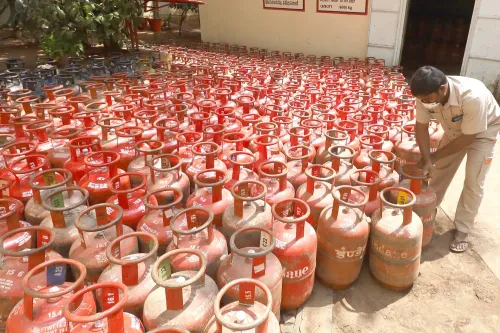
The Cabinet approved the continuation of a scheme that provides two free LPG cylinder refills annually — one each on Diwali and Holi — to eligible Pradhan Mantri Ujjwala Yojana beneficiaries for the financial year 2026-27. The state government will spend ₹2,142.78 crore on this initiative. The first free refill will be disbursed between October and December 2026, coinciding with Diwali, and the second between January and March 2027, coinciding with Holi.
Eligibility is restricted to Ujjwala beneficiaries whose bank accounts are Aadhaar-linked and who have completed Aadhaar authentication. This condition, officials indicated, is intended to prevent duplication and ensure direct benefit transfer. Notably, Uttar Pradesh runs one of the largest Ujjwala beneficiary pools in the country, making the financial and logistical scale of the scheme significant.
1,725 AC Electric Buses Across 18 UP Cities
The Yogi Adityanath government will facilitate the operation of 1,725 air-conditioned electric buses across 18 cities, including Agra, Aligarh, Ayodhya, Bareilly, Firozabad, Ghaziabad, Gorakhpur, Jhansi, Kanpur, Lucknow, Mathura-Vrindavan, Meerut, Moradabad, Prayagraj, Shahjahanpur, Saharanpur, Varanasi, and Noida (including Jewar).
All buses will be operated by private operators under a 12-year contract commencing from the date of commercial operations. The move aligns with India's broader push toward greener urban mobility and is expected to reduce both emissions and fuel import bills. This comes amid rising urban congestion in UP's tier-2 and tier-3 cities, where public transport infrastructure has historically lagged behind population growth.
Sardar Patel Skill Training and Employment Zone Scheme
The Cabinet also approved the launch of the Sardar Vallabhbhai Patel Skill Training and Employment Zone (SVPSTPZ) development scheme, aimed at transforming Uttar Pradesh into what the government described as an 'ultimate sourcing hub for skilled manpower' and a 'global manpower hub.' The initiative envisages an integrated skill training and employment system across nine zones, covering all 75 districts of the state.
According to the government, the scheme is designed to align youth training with industry demand and link graduates to both domestic and international employment opportunities. With UP accounting for a significant share of India's young workforce, the scheme's scale — if executed — could have national labour market implications.
Renaming of Bhadohi District and Noida Airport
The Cabinet cleared a proposal to rename Bhadohi district to 'Sant Ravidas Nagar Bhadohi', restoring a name that was dropped during the tenure of the previous Samajwadi Party government. The Yogi government framed the decision as preserving both the name of the revered saint and the district's historical identity.
Separately, Chief Minister Yogi Adityanath announced at a post-Cabinet press conference that the Cabinet had passed a proposal to rename Noida International Airport as Narendra Modi International Airport. The airport, located near Jewar in the Gautam Buddha Nagar district, is currently under construction and is expected to serve the Delhi-NCR region.
More Sarees for Anganwadi Workers
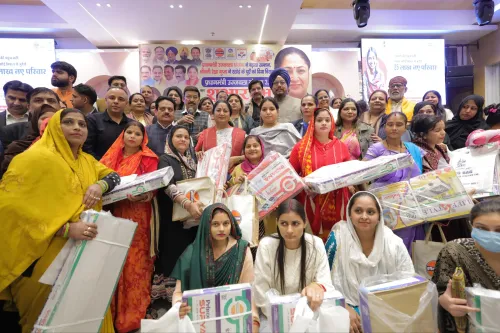
In a welfare measure for grassroots health and nutrition workers, the Cabinet decided to increase the annual saree allocation for the state's Anganwadi workers and helpers from two to three per year. The enhanced benefit is set to reach 3,80,290 workers and helpers across Uttar Pradesh.
The decisions announced on Friday reflect a mix of welfare outreach, urban infrastructure investment, and symbolic political moves ahead of future electoral cycles in India's most populous state. Implementation timelines and budgetary allocations for the newer schemes are expected to be detailed in subsequent official orders.
Point of View
Infrastructure optics, and symbolic renaming bundled into a single headline. The free LPG scheme at ₹2,142.78 crore is fiscally significant, but its Aadhaar-authentication gate will determine how many intended beneficiaries actually receive the benefit. The Noida airport renaming is the most politically charged move: naming public infrastructure after a sitting prime minister is rare and is likely to draw opposition scrutiny. The Sardar Patel skill zones, if properly funded, could address UP's chronic skilled-labour deficit — but without a clear funding commitment and third-party outcome tracking, large-scale skill schemes in India have historically underdelivered.
NationPress
9 Oct 2026
Frequently Asked Questions
What did the UP Cabinet decide about free LPG cylinders?
The UP Cabinet approved the continuation of a scheme providing two free LPG cylinder refills annually — one around Diwali (October–December 2026) and one around Holi (January–March 2027) — to eligible Pradhan Mantri Ujjwala Yojana beneficiaries in 2026-27. The state will spend ₹2,142.78 crore on this initiative. Only beneficiaries with Aadhaar-linked bank accounts who have completed authentication are eligible.
Which cities will get the new AC electric buses in Uttar Pradesh?
A total of 1,725 air-conditioned electric buses will operate across 18 cities: Agra, Aligarh, Ayodhya, Bareilly, Firozabad, Ghaziabad, Gorakhpur, Jhansi, Kanpur, Lucknow, Mathura-Vrindavan, Meerut, Moradabad, Prayagraj, Shahjahanpur, Saharanpur, Varanasi, and Noida (including Jewar). All buses will be run by private operators on 12-year contracts.
What is the Sardar Vallabhbhai Patel Skill Training and Employment Zone scheme?
It is a newly approved UP government initiative to create an integrated skill training and employment system across nine zones covering all 75 districts of the state. The scheme aims to position Uttar Pradesh as a 'global manpower hub' by aligning youth training with industry needs and connecting workers to domestic and international jobs.
Why is Noida International Airport being renamed?
The UP Cabinet approved renaming the under-construction Noida International Airport near Jewar as Narendra Modi International Airport. Chief Minister Yogi Adityanath announced this at a post-Cabinet press conference on 9 October 2026. No official rationale was cited beyond the cabinet resolution.
How does the Bhadohi district renaming decision affect the region?
The Cabinet approved renaming Bhadohi district to 'Sant Ravidas Nagar Bhadohi', restoring a name that was removed during the previous Samajwadi Party government's tenure. The Yogi government stated the decision preserves the identity of Sant Ravidas while retaining the district's historical name of Bhadohi.