PM Modi's gift auctions fund Namami Gange, Kanya Kelavani over 25 years
Synopsis
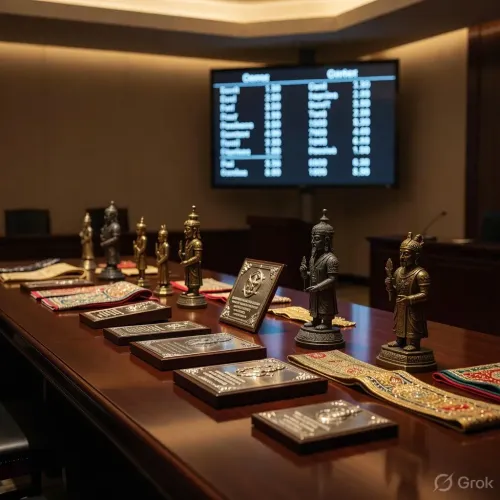
For 25 years, PM Modi has auctioned official gifts — shawls, sculptures, mementos — and funnelled the proceeds into girl-child education and Ganga revival. The ongoing eighth edition of the PM Mementos e-Auction features 1,500 items, some priced as low as ₹200, and has collectively raised over ₹50 crore for Namami Gange. It is a practice that began quietly in Gujarat in 2003 and has outlasted multiple governments.
Key Takeaways
PM Narendra Modi has auctioned official gifts for 25 years , first as Gujarat CM from 2001 and then as Prime Minister from 2014 .
Proceeds from the Gujarat-era auctions seeded the Kanya Kelavani Nidhi (2003) , which evolved into MYSY (2017-18) , offering eligible female MBBS students 50% tuition fee support.
The PM Mementos e-Auction , launched in January 2019 , directs all proceeds to the Namami Gange Programme .
Previous auction editions have collectively raised more than ₹50 crore for Namami Gange, according to government estimates.
The 8th edition features nearly 1,500 gifts, priced from as low as ₹200 , and runs until 31 October 2026 .
The BJP's Seva Sankalp Abhiyan — a month-long campaign beginning 17 September — is highlighting the practice as part of Modi's public service legacy.
For 25 years — first as Gujarat Chief Minister from October 2001 and then as Prime Minister from May 2014 — Narendra Modi has systematically channelled the proceeds of auctioned gifts, mementos, and souvenirs into public welfare programmes. As the Bharatiya Janata Party (BJP) observes the month-long 'Seva Sankalp Abhiyan' — beginning on Modi's birthday, 17 September — this largely overlooked practice of converting personal gifts into public resources has come back into focus.
From Gujarat to New Delhi: A 25-year practice
The tradition dates to 2003, when Modi, then serving as Gujarat's Chief Minister, laid the foundation of the Kanya Kelavani Nidhi — a dedicated fund to promote girl-child education and female literacy. Gifts received in his official capacity were auctioned, and the proceeds fed directly into this corpus. The initiative reflected, according to supporters, a philosophy of trusteeship: that gifts received in public office belong to the public.
The fund evolved over the years. It was formalised as the Mukhyamantri Yuva Swavalamban Yojana (MYSY), formally launched in 2017-18. Under MYSY, female medical students who secure admission to MBBS through NEET are eligible to receive 50% of their tuition fee, helping address financial barriers to women's professional education.
PM Mementos e-Auction and Namami Gange
At the national level, the PM Mementos e-Auction — launched in January 2019 — directs all proceeds to the Namami Gange Programme, the Centre's flagship initiative to restore the Ganga river and its tributaries. According to government estimates, previous editions of the auction have cumulatively raised more than ₹50 crore for the river-cleaning project.
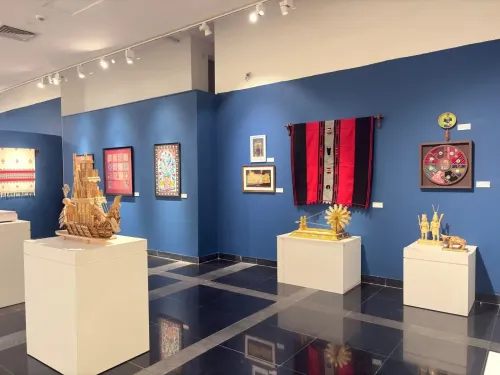
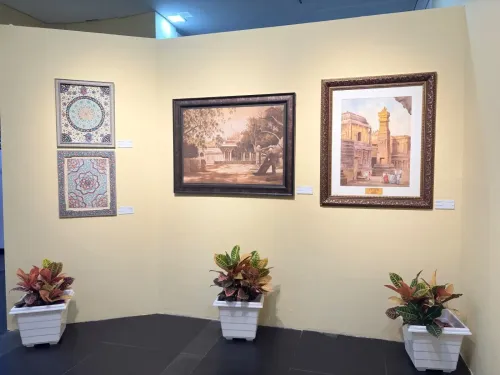
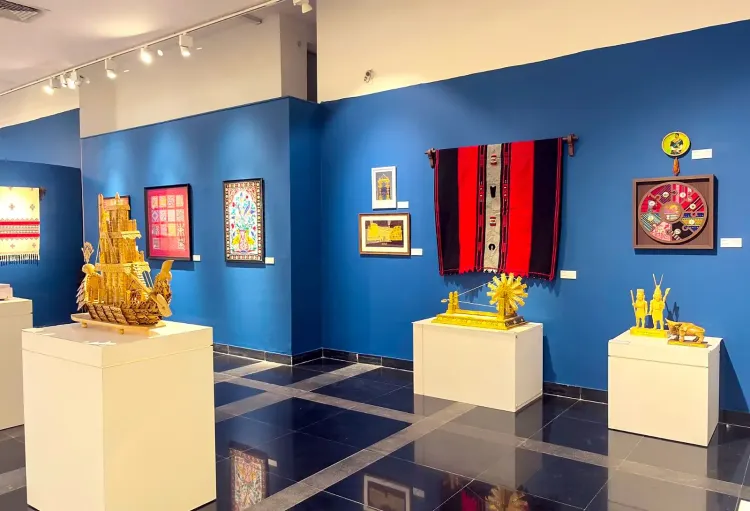
The eighth edition of the e-Auction, now under way, features nearly 1,500 curated gifts and will run through 31 October 2026. Notably, items placed at the National Gallery of Modern Art are priced as low as ₹200, allowing ordinary citizens to acquire a piece of memorabilia rather than restricting ownership to high-end buyers.
What the Government Said
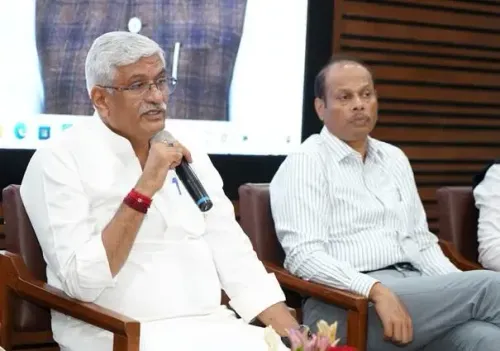
Union Culture and Tourism Minister Gajendra Singh Shekhawat, speaking at the launch of the PM Mementos e-Auction 2026, quoted Modi as holding the view: 'Whatever is received is not mine; whatever is given to me is not mine; and I have no right to hoard what is not mine.' Shekhawat further credited the Prime Minister for turning the personal-gifts auction into a vehicle for public participation in national causes.
Broader Context and Significance
The practice pre-dates several of the Centre's better-known welfare programmes. The Kanya Kelavani model of 2003, for instance, conceptually anticipated later schemes such as Beti Bachao, Beti Padhao. Critics of Namami Gange have pointed out that the river's pollution levels remain a challenge despite years of investment, and the programme has drawn scrutiny over execution timelines. The auction proceeds, while symbolically significant, represent a fraction of the programme's total budget. The Seva Sankalp Abhiyan is being used by BJP leaders and workers to highlight such initiatives to a wider audience.
What's Next
With the eighth e-Auction running until 31 October 2026, the collections from this edition will be added to the Namami Gange corpus. The BJP's Seva Sankalp Abhiyan continues through the month, with party units across India organising outreach events around the theme of public service.
Point of View
And the river's pollution indicators remain well short of targets. The real story here is political framing — the BJP is deploying a genuine, if modest, act of public trusteeship to build a broader 'servant-leader' narrative ahead of electoral cycles. The Kanya Kelavani lineage is more substantive; connecting a 2003 Gujarat scheme to a 2017-18 national programme shows institutional continuity that is rare in Indian welfare policy. Whether the Seva Sankalp Abhiyan amplifies the practice's actual impact or primarily its optics is a question mainstream coverage has mostly declined to ask.
NationPress
25 Sept 2026
Frequently Asked Questions
What is the PM Mementos e-Auction?
The PM Mementos e-Auction is an online auction of gifts, souvenirs, and memorabilia received by Prime Minister Narendra Modi in his official capacity, launched in January 2019. All proceeds are directly contributed to the Namami Gange Programme, which aims to restore and rejuvenate the Ganga river and its tributaries.
How much has the PM gift auction raised for Namami Gange?
According to government estimates, previous editions of the PM Mementos e-Auction have cumulatively raised more than ₹50 crore for the Namami Gange Programme. The ongoing eighth edition, running till 31 October 2026, will add to that total.
What is Kanya Kelavani Nidhi and how is it connected to PM Modi's gifts?
Kanya Kelavani Nidhi was a fund established in 2003, when Modi was Gujarat Chief Minister, to promote girl-child education and female literacy — financed in part through auctions of official gifts he received. It later evolved into the Mukhyamantri Yuva Swavalamban Yojana (MYSY), formally launched in 2017-18, which provides eligible female MBBS students with 50% of their tuition fees.
What is the Seva Sankalp Abhiyan?
Seva Sankalp Abhiyan is a month-long campaign organised by the BJP, beginning on PM Modi's birthday on 17 September, to mark 25 years of his public service. Party leaders and workers use the occasion to highlight government programmes and initiatives, including the gift-auction tradition, across the country.
Who can participate in the 8th PM Mementos e-Auction?
The eighth edition of the PM Mementos e-Auction is open to the general public and features nearly 1,500 curated gifts, with prices starting as low as ₹200 — making it accessible to ordinary citizens, not just high-end collectors. The auction runs through 31 October 2026.