From Nehru to Manmohan Singh: How India managed crises with austerity appeals
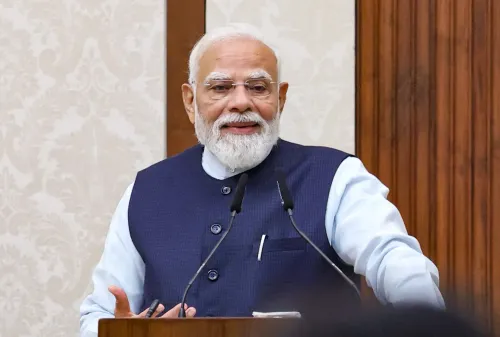
Prime Minister Narendra Modi's seven-point appeal urging Indians to reduce unnecessary fuel consumption, revive work-from-home models, and cut back on gold purchases amid current global volatility is being viewed as a prudent preparedness measure — one that echoes a long tradition of Indian governments calling for citizen restraint during times of national stress. The appeal comes as uncertainty looms over West Asia and global energy markets remain volatile, with potential consequences for India, which imports nearly 85 per cent of its crude oil requirements.
The Historical Precedent
India's governing dispensations have repeatedly turned to citizens in moments of economic or military crisis, sometimes through appeals and at other times through enforceable legislation. The pattern stretches back more than six decades, from the 1962 Sino-Indian War to the fiscal pressures of the early 21st century.
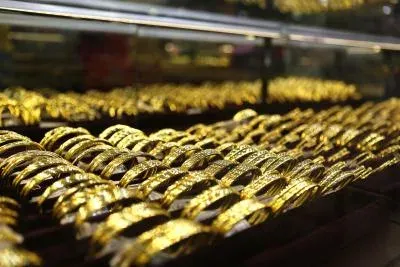
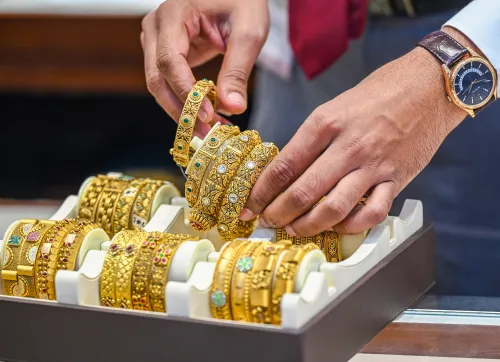
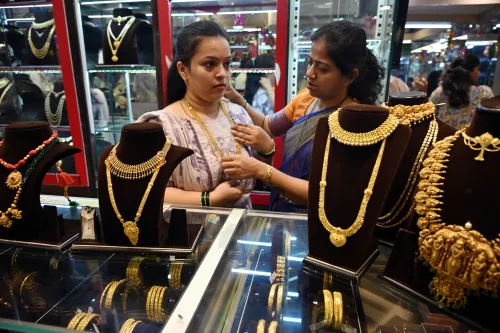
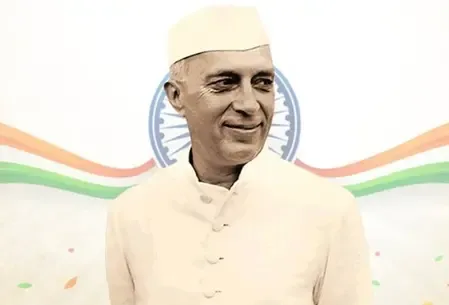
During the 1962 war with China, then Prime Minister Jawaharlal Nehru launched a nationwide campaign urging citizens to donate gold jewellery to a national war chest. Women across India reportedly surrendered ornaments — including mangalsutras — in what the Union government framed as a patriotic campaign. According to historical accounts, more than $220 million was collected in cash alone through this mass mobilisation. The Gold Control Act of 1962 followed, imposing sweeping restrictions on gold ownership and trade: banks were ordered to recall gold loans, forward trading was banned outright, and by 1963, producing jewellery above 14 carat was classified as a criminal act.
In 1965, a gold bond scheme offering tax immunity for unaccounted wealth was launched but reportedly failed to yield significant results. By 1968, the Gold Control Act was further tightened — citizens were legally prohibited from owning gold bars or coins, goldsmiths could hold no more than 100 grams at any time, and licensed dealers were barred from trading with each other.
Indira Gandhi, Shastri and the Food Crisis Era
Analysts recall then Prime Minister Indira Gandhi urging citizens in 1967 to refrain from buying gold in order to protect foreign exchange reserves — a response to fiscal strain following the 1965 war with Pakistan and a severe drought that had precipitated famine conditions.
During that same war in 1965, Prime Minister Lal Bahadur Shastri asked every Indian to skip one meal every Monday, leading by personal example. India was in acute food distress at the time, and voluntary hunger was framed as a civic duty. Some observers also recall Nehru urging wheat-consuming communities in northern India to abstain from rice so that it could be redistributed to those facing shortages — a stark example of the government attempting to reshape consumption patterns during the food crises of the early 1950s.
The Manmohan Singh Era: Gold and Subsidies
Between March and June 2013, then Finance Minister P. Chidambaram, serving in Prime Minister Manmohan Singh's Cabinet, made four separate public appeals urging citizens to stop buying gold. India's current account deficit had hit a record 5.4 per cent of GDP at the time, with gold imports identified as a primary driver. Chidambaram appealed to citizens, expressing hope that they