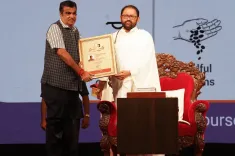
Gadkari at Nagpur Biochar Seminar by Agrovision Foundation
Synopsis
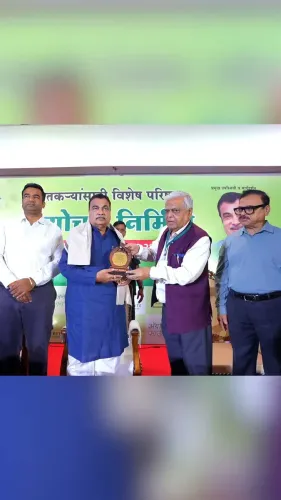
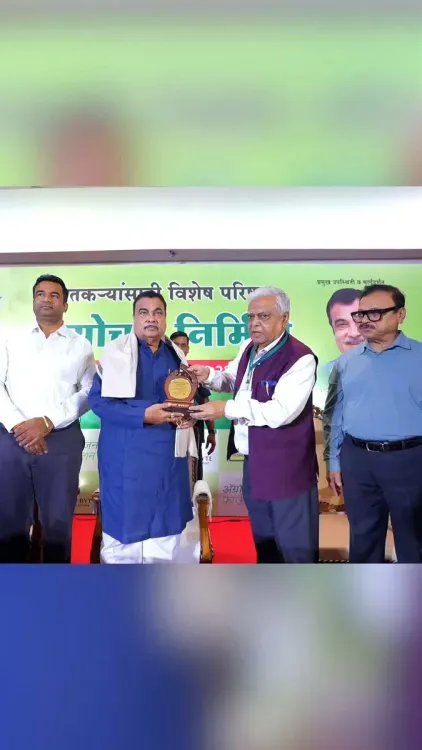
Union Minister Nitin Gadkari attended the Biochar Generation Seminar organised by Agrovision Foundation in Nagpur on 26 September 2026, highlighting biochar's potential for soil health, carbon sequestration, and sustainable livelihoods for Vidarbha farmers.
Key Takeaways
Union Minister Nitin Gadkari attended the Biochar Generation Seminar in Nagpur on 26 September 2026 .
The event was organised by the Agrovision Foundation , a Maharashtra-based agricultural and rural development organisation.
Biochar is produced through pyrolysis of organic biomass and can improve soil health, retain moisture, and sequester carbon for centuries.
The seminar is directly relevant to Vidarbha 's farming communities, where soil degradation and agrarian stress remain persistent challenges.
Gadkari has a track record of championing alternative and sustainable inputs, including ethanol, green hydrogen, bamboo, and biomass energy.
Watch for whether seminar outcomes translate into integration with central or state agricultural schemes on biochar or biomass utilisation.
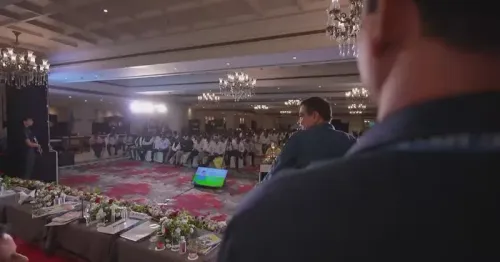
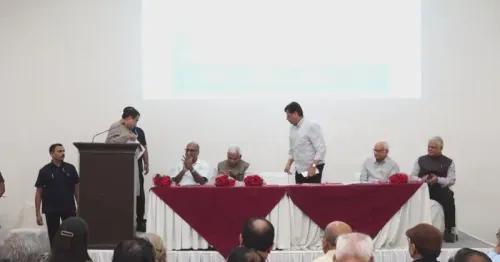
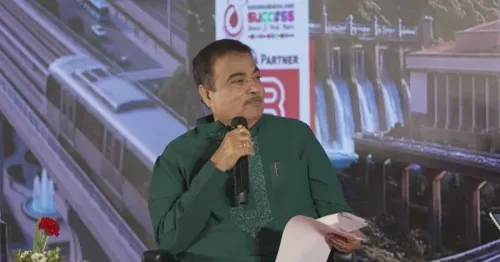
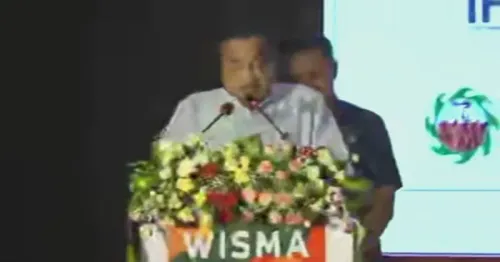
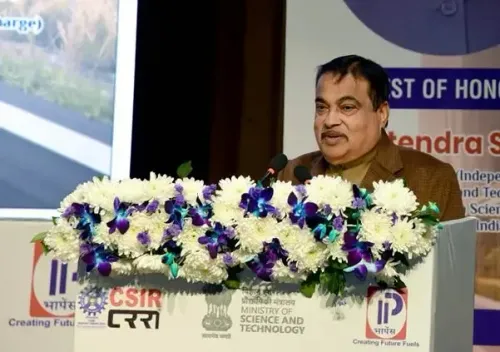
Soil health, sustainable farming, and the quiet power of biochar — Union Road Transport and Highways Minister Nitin Gadkari turned his attention to rural agricultural science on Saturday, 26 September 2026, attending a Biochar Generation Seminar organised by the Agrovision Foundation in Nagpur.
What is Biochar — and why Nagpur?
Biochar is a carbon-rich material produced by burning organic biomass — crop residue, wood chips, agricultural waste — at high temperatures in a low-oxygen environment, a process called pyrolysis. Applied to farmland, it improves soil structure, retains moisture, and can lock carbon into the ground for centuries. For a region like Vidarbha, where soil degradation and farmer distress have been long-standing concerns, the technology carries real promise. Nagpur is both Gadkari's political home base and a hub for Vidarbha's agricultural economy. The Agrovision Foundation is a Maharashtra-based organisation known for convening agricultural and rural development events, regularly drawing farmers, agri-researchers, and policymakers to exchange ideas on emerging farm technologies.Gadkari's broader interest in alternative and sustainable inputs
Gadkari has built a reputation that extends well beyond highways — his public advocacy for ethanol blending, green hydrogen, bamboo-based products, and biomass energy has been a consistent thread across his ministerial tenures. A biochar seminar fits that pattern precisely: it sits at the intersection of waste-to-wealth conversion, rural income, and soil sustainability — themes he returns to repeatedly. For farmers attending the seminar, the pitch is practical: crop stubble that would otherwise be burned in fields — the same stubble that chokes North Indian cities every winter — can instead be converted into biochar, improving their own soil while cutting air pollution. It is the kind of circular economy argument Gadkari finds compelling and communicates often.What researchers and farmers are watching
The seminar brings together agricultural researchers and farming communities at a moment when India's broader push toward sustainable agriculture is gaining institutional momentum. The key question after such events is whether the ideas debated in seminar halls find their way into state or central agricultural schemes — subsidies for pyrolysis units, integration into soil health card programmes, or linkage with existing biomass missions. Gadkari's presence at a localised agricultural knowledge event, outside the obvious remit of his highways portfolio, signals the kind of cross-domain engagement that can sometimes catalyse policy movement — even if the path from seminar to scheme is rarely straight or swift.Point of View
Where agrarian distress has long carried political weight, being seen at the frontier of soil science is both substantive and strategic. The deeper question is whether such ministerial visibility accelerates the journey of biochar from demonstration technology to mainstreamed agricultural input. India's sustainable agriculture push needs that institutional bridge, and high-profile seminar attendance is rarely sufficient on its own to build it.
NationPress
26 Sept 2026
Frequently Asked Questions
What is biochar and how does it help farmers?
Biochar is a carbon-rich material made by heating organic biomass in low-oxygen conditions. When added to soil, it improves fertility, retains moisture, and locks carbon into the ground, benefiting farmers particularly in regions with degraded soils like Vidarbha.
What is the Agrovision Foundation?
The Agrovision Foundation is a Maharashtra-based organisation that organises agricultural and rural development events, including seminars in Nagpur, to connect farmers, researchers, and policymakers around emerging farm technologies.
Why did Nitin Gadkari attend a biochar seminar when his portfolio is highways?
Gadkari has a long track record of engaging with sustainable and alternative energy topics beyond his formal portfolio, including ethanol, green hydrogen, and biomass — biochar fits directly into his advocacy for waste-to-wealth solutions in rural India.
Where was the Biochar Generation Seminar held?
The seminar was held in Nagpur , Maharashtra, which is also Nitin Gadkari's political home base, on 26 September 2026 .
Can biochar help with stubble burning in India?
Yes — crop residue that farmers currently burn in fields, contributing to seasonal air pollution, can instead be converted into biochar through pyrolysis, addressing both air quality concerns and soil health simultaneously.