Gadkari chairs inaugural National Road Safety Board meet
Synopsis
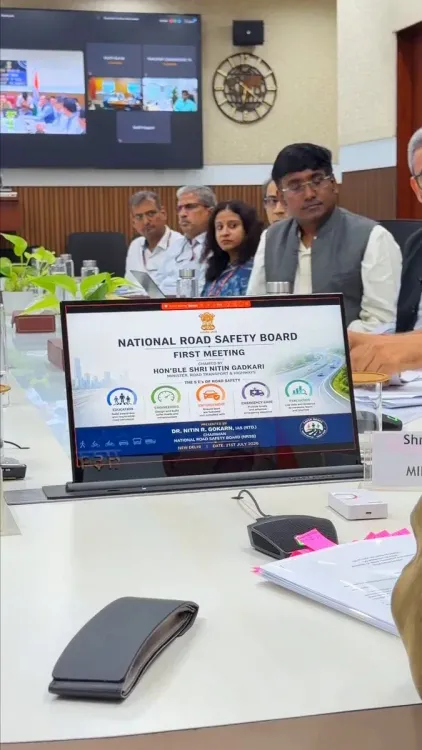
Union Minister Nitin Gadkari chaired the inaugural meeting of the National Road Safety Board in New Delhi on 21 July 2026. The statutory body, created under the Motor Vehicles Amendment Act 2019, brings together government, NGO and civil society stakeholders to coordinate India's efforts to reduce road fatalities.
Key Takeaways
Union Minister Nitin Gadkari attended the inaugural meeting of the National Road Safety Board in New Delhi on 21 July 2026 .
The Board is a statutory body constituted under the Motor Vehicles (Amendment) Act, 2019 .
Its mandate covers road safety standards, road design audits, enforcement protocols and multi-stakeholder coordination.
Membership spans government officials, non-profit organisations and civil society representatives.
India records among the highest absolute road traffic death tolls globally, making the Board's work a national priority.
The Board's first recommendations on vehicle standards and road design audits are the immediate deliverables to watch.
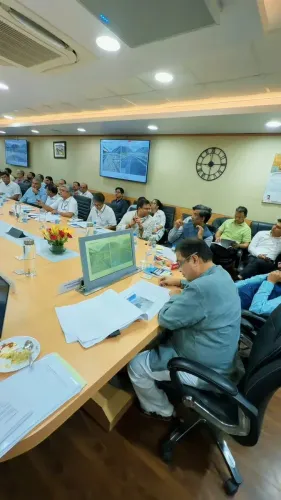
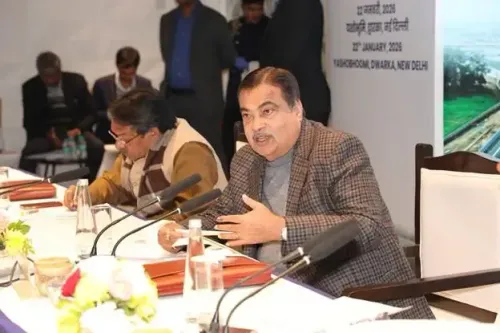
Union Road Transport and Highways Minister Nitin Gadkari on Tuesday, 21 July 2026, attended the inaugural meeting of the National Road Safety Board in New Delhi, marking the first formal convening of the statutory body tasked with coordinating India's road fatality reduction efforts.
Context
Gadkari described the Board as bringing together 'experts and stakeholders from the Government, non-profit sector and civil society' to 'foster collaboration and collective action' toward reducing road fatalities. The meeting represents the operational debut of an institution whose legal foundation was laid years earlier.
The Motor Vehicles (Amendment) Act, 2019 inserted provisions creating the National Road Safety Board as a statutory entity under the Ministry of Road Transport and Highways. The Board's mandate spans safety standards, road design, enforcement protocols and multi-stakeholder coordination.
Policy Backdrop
India records one of the highest absolute numbers of road traffic deaths globally, a reality that has driven successive legislative and institutional interventions. The shift from a project-centric highway-building model toward systemic safety governance reflects both domestic pressure and India's commitments under global road safety frameworks, including United Nations targets aimed at halving road fatalities.
The 2019 Motor Vehicles Amendment was a landmark overhaul that stiffened penalties, introduced electronic enforcement provisions and created new institutional architecture — of which the National Road Safety Board is the apex coordinating body. Its statutory character distinguishes it from earlier advisory committees, giving it a formal role in setting standards that states are expected to align with.
Stakeholders and Impact
The Board's membership structure is designed to bridge the gap between central policymaking and ground-level implementation. State transport departments, road safety non-governmental organisations and civil society representatives sit alongside government officials, ensuring that enforcement realities and community concerns inform national standards.
Road users — from pedestrians and two-wheeler riders to truck operators — stand to be the primary beneficiaries of any recommendations the Board issues on vehicle safety standards, road design audits and black-spot remediation. The integration of state-level road safety cells with central guidelines will be a key operational challenge the Board is expected to address early in its tenure.
What's Next
Attention will now turn to the Board's first set of formal recommendations, which are expected to cover vehicle standards, road design audits and enforcement protocols. How quickly those recommendations translate into binding circulars for state governments will determine whether the inaugural meeting marks a genuine inflection point or a ceremonial milestone.
The Ministry of Road Transport and Highways has consistently framed road safety as a non-negotiable alongside its highway expansion agenda. The Board's ability to hold states accountable and coordinate across ministries — from health to urban development — will be the true measure of its institutional effectiveness.
Point of View
Signalling a maturation of India's road governance from penalty-focused reforms to institutional architecture. Gadkari's personal presence at the first meeting underscores the political salience of road safety at a time when fatality numbers remain a reputational liability for the highway expansion programme. The Board's multi-stakeholder design is a deliberate hedge against the coordination failures that have historically allowed state governments to lag on implementation. Whether this body acquires genuine teeth — or remains a consultative forum — will define the next chapter of India's road safety story.
NationPress
22 Jul 2026
Frequently Asked Questions
What is the National Road Safety Board in India?
The National Road Safety Board is a statutory body constituted under the Motor Vehicles (Amendment) Act, 2019, to coordinate road safety standards, road design audits, enforcement protocols and fatality reduction efforts across India.
When was the first meeting of the National Road Safety Board held?
The inaugural meeting of the National Road Safety Board was held on 21 July 2026 in New Delhi , attended by Union Minister Nitin Gadkari.
What law created the National Road Safety Board?
The Motor Vehicles (Amendment) Act, 2019 inserted provisions establishing the National Road Safety Board as a statutory entity under the Ministry of Road Transport and Highways.
Who are the members of the National Road Safety Board?
The Board brings together experts and stakeholders from the central government, state transport departments, non-profit organisations and civil society, though the specific roster of appointed members has not been publicly confirmed in established records.
Why is road safety a priority in India?
India records one of the highest absolute numbers of road traffic deaths in the world, which has driven successive legislative reforms and the creation of dedicated institutional bodies to meet national and UN targets of halving road fatalities.