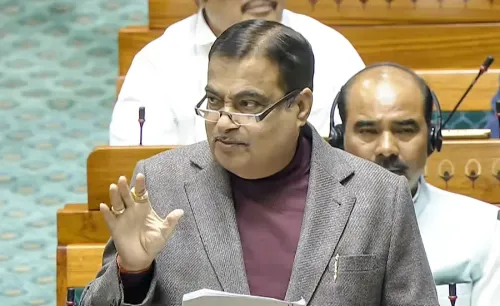
Gadkari moves Bombay HC over AI deepfakes on E20 ethanol policy gains
Synopsis
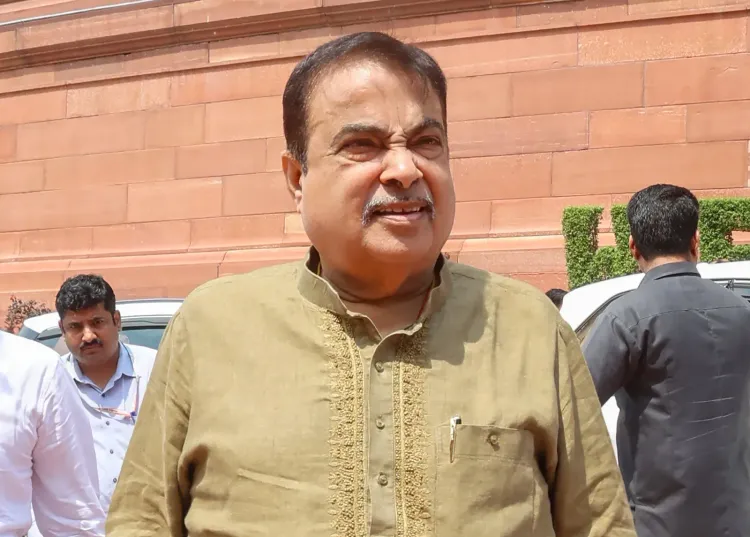
Nitin Gadkari has taken the deepfake threat to court — filing a defamation suit in the Bombay High Court against AI-generated videos falsely claiming he and his family profited from India's E20 ethanol policy. His core defence: the policy doesn't even fall under his ministry. Meta and X are named respondents, making this one of the most high-profile judicial challenges to AI disinformation by a sitting Union Minister.
Key Takeaways
Nitin Gadkari has filed a defamation suit in the Bombay High Court against AI deepfake videos and posts falsely linking him to gains from the E20 ethanol blending policy .
The High Court has admitted the petition and scheduled a hearing on his plea for interim relief, including content removal.
Meta (Facebook, Instagram) and X have been named as respondents in the case.
Gadkari argues the allegations are factually wrong — the E20 programme falls under the Ministry of Petroleum and Natural Gas , not his ministry.
He has sought immediate removal of the deepfake content, a restraint on further circulation, and action against those responsible.
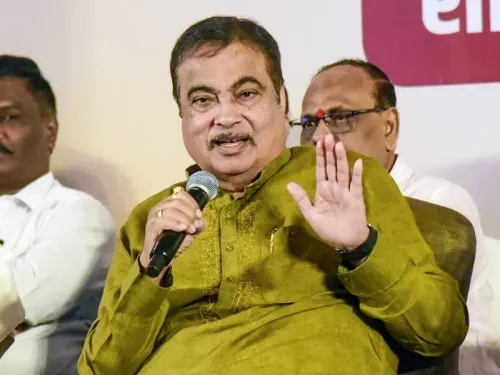
Union Minister for Road Transport and Highways Nitin Gadkari has filed a defamation suit in the Bombay High Court against alleged AI-generated deepfake videos and misleading social media posts that falsely link him and his family members to financial gains from the Centre's E20 ethanol blending policy. The High Court has admitted the petition and scheduled a hearing on his plea for interim relief.
What the Petition Alleges
According to the petition, multiple posts and videos circulating across social media platforms falsely claim that Gadkari and his family have financially benefited from the government's ethanol blending programme. The minister has described the allegations as 'completely baseless, false and defamatory', arguing they were designed to mislead the public and damage his reputation.
Gadkari has named Meta — which owns Facebook and Instagram — and X as respondents in the case. He has sought court directions for the immediate removal of the deepfake videos and related posts, orders restraining further publication or amplification of the content, and action against individuals responsible for creating and disseminating the allegedly defamatory material.
Why the Allegations Are Factually Incorrect, Per Gadkari
A central argument in the petition is jurisdictional: Gadkari has emphasised that the E20 ethanol blending initiative falls under the Ministry of Petroleum and Natural Gas — not the Ministry of Road Transport and Highways, which he heads. He contends that the social media content deliberately creates a misleading narrative by falsely associating him with policy decisions and purported private gains that lie entirely outside his ministerial remit.
What Is the E20 Programme
The E20 fuel standard mandates a blend of 20 per cent ethanol and 80 per cent petrol. It is a cornerstone of the Centre's broader energy transition strategy, aimed at reducing India's dependence on imported crude oil, cutting vehicular emissions, and supporting domestic biofuel production. The government has been actively promoting ethanol blending as part of its energy security and carbon-reduction agenda.
What Happens Next
The Bombay High Court is set to hear Gadkari's plea for interim relief, which could result in a court-ordered takedown of the disputed content pending a full hearing. The case is being watched as an early test of judicial response to AI-generated political disinformation targeting sitting ministers. With deepfake technology becoming increasingly accessible, legal frameworks around digital defamation are under growing scrutiny across India.
Point of View
But for the jurisdictional argument at its core — that he cannot have influenced a policy that sits in a different ministry entirely. That is a factual defence, not merely a political one, and it places the burden squarely on whoever created the content to explain the basis for the claim. More broadly, this case signals that senior ministers are no longer willing to absorb AI-generated disinformation as political noise. With Meta and X named as respondents, the Bombay High Court's interim order — whatever it says — will set a practical precedent for platform liability in deepfake defamation cases in India, a question the country's legal system has not yet fully resolved.
NationPress
27 Jul 2026
Frequently Asked Questions
Why has Nitin Gadkari approached the Bombay High Court?
Gadkari has filed a defamation suit against AI-generated deepfake videos and social media posts that falsely claim he and his family financially benefited from the Centre's E20 ethanol blending policy. He has called the allegations baseless and defamatory and is seeking interim relief, including immediate removal of the content.
What is the E20 ethanol blending policy at the centre of the controversy?
E20 is a fuel standard comprising 20 per cent ethanol and 80 per cent petrol, promoted by the Centre to reduce crude oil imports, lower vehicular emissions, and boost domestic biofuel production. It is administered by the Ministry of Petroleum and Natural Gas, not Gadkari's Ministry of Road Transport and Highways.
Who are the respondents in Gadkari's defamation case?
Gadkari has named Meta — the parent company of Facebook and Instagram — and X as respondents. He is seeking court orders directing these platforms to remove the disputed deepfake videos and related posts.
What relief has Gadkari sought from the Bombay High Court?
He has sought an injunction against the circulation of the allegedly defamatory content, orders restraining further publication or amplification, immediate removal of deepfake videos from digital platforms, and action against individuals responsible for creating and spreading the material.
What is the significance of this case for AI deepfakes in India?
This is one of the most prominent judicial challenges to AI-generated political disinformation by a sitting Union Minister in India. The Bombay High Court's ruling on interim relief could set an early precedent for platform liability and judicial response to deepfake defamation in the country.