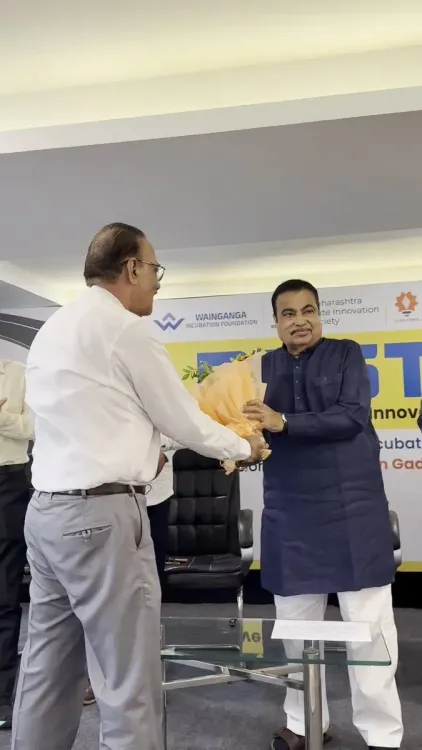
Gadkari presides over RASTA Startup Challenge prize distribution in Nagpur
Synopsis
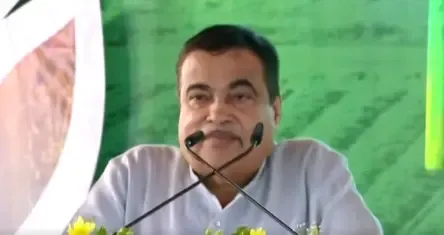
Union Minister Nitin Gadkari presided over the prize distribution of the RASTA National Level Startup and Innovation Challenge in Nagpur on 28 May 2026, honouring innovators developing technology solutions for India's road and highway sector.
Key Takeaways
Union Minister Nitin Gadkari attended the RASTA National Level Startup and Innovation Challenge prize distribution in Nagpur on 28 May 2026 .
The RASTA challenge is a national-level competition inviting startups to develop solutions for road construction, safety, and highway management.
The event connects two flagship Central programmes: Bharatmala Pariyojana (2015) and Startup India (2016).
Winning startups gain ministry recognition, which can open pathways to pilot projects and procurement opportunities on national highway corridors.
The initiative reflects a broader pattern of central ministries using innovation challenges under Make in India and Digital India frameworks since 2014.
Deployment of winning technologies in real highway projects and future Union Budget allocations for transport innovation will be key indicators to watch.
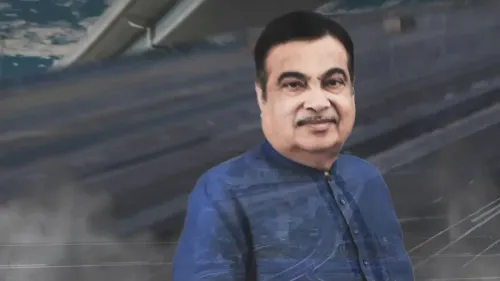
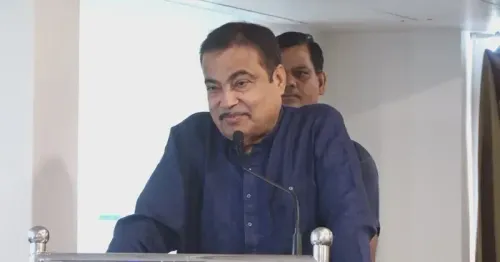
Union Road Transport and Highways Minister Nitin Gadkari attended the prize distribution ceremony of the RASTA National Level Startup and Innovation Challenge in Nagpur on Thursday, 28 May 2026, recognising startups that have developed innovative solutions for India's road and highway sector.
Context
The RASTA challenge is a national-level startup and innovation competition organised under the aegis of the Ministry of Road Transport and Highways, inviting entrepreneurs and technology firms to pitch solutions for road construction, safety, logistics, and highway management. The prize distribution event in Nagpur — Gadkari's political home base in Maharashtra — marks the culmination of the competition cycle, with winning teams formally honoured by the minister.
Gadkari has long championed the integration of emerging technology with physical infrastructure, positioning the ministry as a facilitator between India's startup ecosystem and its massive highway-building programme.
Policy Backdrop
The event sits at the intersection of two flagship Central government frameworks. The Bharatmala Pariyojana, launched in 2015, set out an umbrella programme for the optimal development of national highways and expressways across India. Separately, the Startup India initiative, launched in 2016, was designed to promote innovation and entrepreneurship across sectors — including infrastructure and transport.
Central ministries have increasingly used innovation challenges to source technology solutions rather than relying solely on established contractors and consultancies. This approach aligns with the broader Make in India and Digital India frameworks that successive governments have pursued since 2014, linking physical infrastructure spending with domestic technology development.
Stakeholders and Impact
Technology startups working on road safety systems, smart tolling, pavement materials, drone-based highway surveillance, and logistics optimisation stand to benefit most directly from platforms such as RASTA. Recognition from the ministry opens doors to pilot project opportunities, procurement pathways, and investor visibility that are otherwise difficult for early-stage firms to access.
For the broader highway sector, integrating startup-sourced innovations into large-scale projects under Bharatmala could reduce costs and improve project outcomes. Civil society and road users also have a stake, given that improved construction and safety technologies translate directly into fewer accidents and faster connectivity.
What's Next
The key question following any such prize distribution is whether winning concepts move from recognition to real-world deployment. Observers will watch for announcements of pilot projects on national highway corridors that adopt technologies showcased at the RASTA challenge. Any dedicated transport-innovation funding lines in the next Union Budget would signal how seriously the ministry intends to institutionalise this startup-to-highway pipeline. Gadkari's continued personal involvement in such events suggests the ministry views startup engagement as a sustained policy priority rather than a one-off exercise.
Point of View
Rather than a sector dependent solely on traditional engineering contractors. By anchoring the event in Nagpur, the minister also reinforces his personal brand as a hands-on administrator who brings national programme visibility to his home constituency. The challenge fits a wider arc in which successive governments have used competitive innovation formats to generate political credit for 'new India' narratives around highways and logistics. Whether the initiative produces measurable on-ground deployments — rather than remaining a ceremonial recognition exercise — will determine its long-term policy significance.
NationPress
11 Oct 2026
Frequently Asked Questions
What is the RASTA National Level Startup and Innovation Challenge?
The RASTA National Level Startup and Innovation Challenge is a competition organised by the Ministry of Road Transport and Highways to invite startups and innovators to develop technology solutions for India's road construction, safety, and highway management sectors.
Why did Nitin Gadkari attend the RASTA prize distribution in Nagpur?
As Union Minister of Road Transport and Highways, Gadkari presided over the prize distribution ceremony to formally recognise winning startups, with the event held in Nagpur, his political home base in Maharashtra.
How does the RASTA challenge relate to Bharatmala Pariyojana?
Bharatmala Pariyojana, launched in 2015, is the government's flagship national highway development programme. The RASTA challenge seeks startup-sourced innovations that can be piloted and eventually integrated into large-scale highway projects under this programme.
What are the benefits for startups that win the RASTA challenge?
Winning startups gain formal recognition from the Ministry of Road Transport and Highways, which can improve their access to government pilot projects, procurement opportunities, and investor attention in the infrastructure technology space.
What should we watch for after the RASTA prize distribution?
Key indicators include announcements of pilot projects on national highway corridors using technologies from the challenge, and any dedicated transport-innovation funding in the next Union Budget.