Gadkari Pays Tribute to Anti-Emergency Satyagrahis on Dark Days Anniversary
Synopsis
On the 51st anniversary of the 1975 Emergency proclamation, Union Minister Nitin Gadkari saluted all satyagrahis who resisted Indira Gandhi's 'dictatorial Emergency' to preserve India's democracy, using the hashtag #DarkDaysOfEmergency on X.
Key Takeaways
Nitin Gadkari posted a tribute on 25 June 2026 , the 51st anniversary of the 1975 Emergency proclamation.
He saluted all satyagrahis who 'fiercely opposed the dictatorial Emergency' to keep India's democracy intact.
The 1975-77 Emergency lasted 21 months , during which civil liberties were suspended and opposition leaders were detained.
The 44th Constitutional Amendment (1978) reversed Emergency-era changes and added safeguards against future misuse.
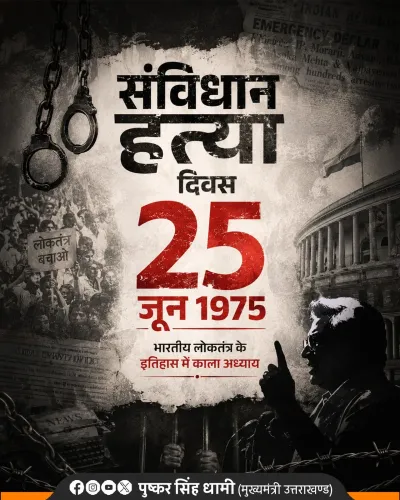
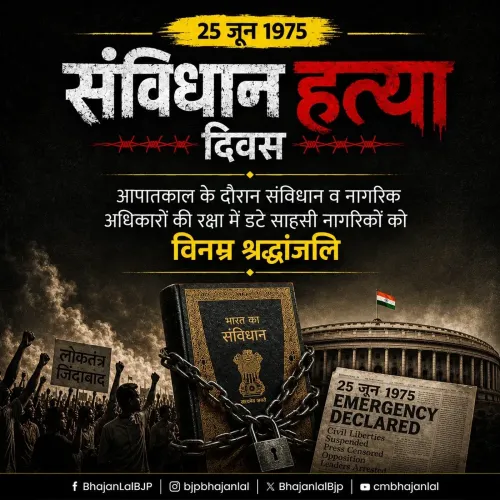
BJP leaders have commemorated 25 June as 'Dark Days of Emergency' annually since at least 2014 .
The post carries the hashtag #DarkDaysOfEmergency and was accompanied by a video.
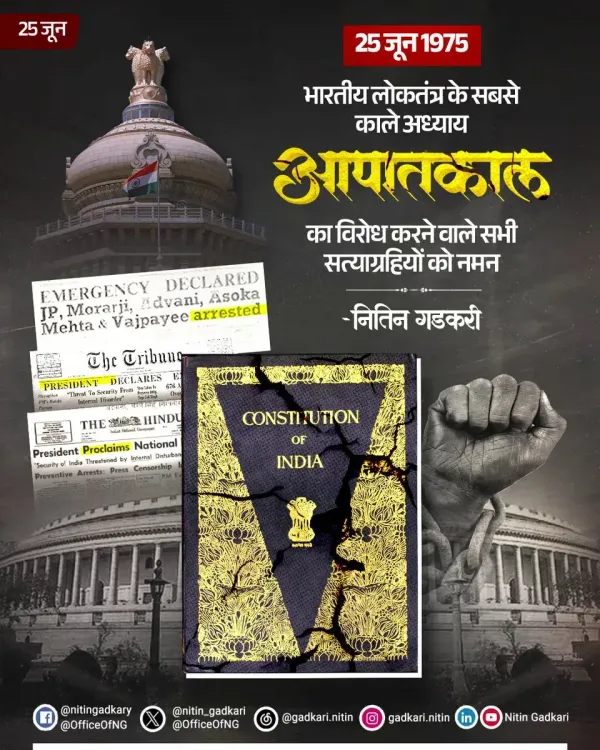
Union Road Transport and Highways Minister Nitin Gadkari on Thursday, 25 June 2026 paid tribute to all those who resisted the 1975 Emergency, saluting the satyagrahis who stood against what he called 'dictatorial emergency rule' to preserve and restore India's democracy.
Posting on X with the hashtag #DarkDaysOfEmergency, Gadkari wrote in Hindi: 'Vishwa ke sabse bade loktantra ko akshunn rakhne ke liye aur loktantra ko punarsthaapit karne ke liye tanaashahi aapatkal ka prakhar virodh karne wale sabhi satyagrahiyon ko vandan.' In English: 'Salutations to all the satyagrahis who fiercely opposed the dictatorial Emergency to keep the world's largest democracy intact and to restore democracy.'
Context
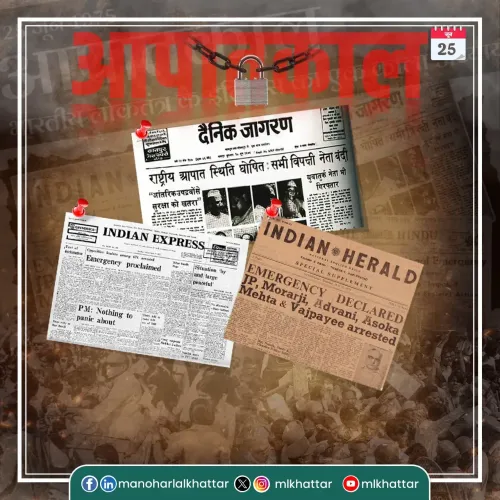
The post marks the 51st anniversary of the proclamation of the national Emergency by then Prime Minister Indira Gandhi on 25 June 1975. The Emergency lasted 21 months, from June 1975 to March 1977, during which civil liberties were suspended, opposition leaders were detained, and press censorship was imposed across the country.
The resistance movement during this period was spearheaded by veteran socialist leader Jayaprakash Narayan, who called for 'total revolution' against authoritarian rule. Thousands of political workers, including members of the organisation that later became the BJP, were imprisoned during this period.
Policy Backdrop
The constitutional fallout of the Emergency era led to the 44th Constitutional Amendment of 1978, which reversed several changes made during the Emergency and introduced safeguards to prevent its future misuse. The amendment remains a landmark in India's constitutional history as a legislative bulwark against the concentration of executive power.
Since at least 2014, BJP leaders have consistently marked 25 June as the 'Dark Days of Emergency', using the anniversary to underscore the party's historical roots in resistance to one-party dominance and to draw a contrast with its own governance record. Gadkari's post follows this established pattern of annual commemoration.
Stakeholders and Impact
The tribute resonates with former political detainees, civil liberties groups, and citizens who lived through or have studied the Emergency period. Survivors of the 1975-77 crackdown, many of whom were associated with the Janata Party coalition that swept to power after the Emergency was lifted, are among those being honoured by such commemorations.
Opposition parties, particularly those with roots in the anti-Emergency movement, also mark the anniversary, though their framing and emphasis often differ from the BJP's messaging. The day has become a recurring flashpoint for competing historical narratives about democracy, constitutional rights, and political accountability in India.
What's Next
Statements from other national parties and leaders on the 25 June anniversary are expected throughout the day, and references to the Emergency's constitutional legacy may surface in upcoming parliamentary debates on governance and fundamental rights. The anniversary continues to serve as a lens through which India's political parties revisit and contest the meaning of democratic resilience.
Point of View
Framing its own origins in democratic resistance rather than electoral politics alone. By invoking the word 'satyagrahi', Gadkari draws a direct moral line from the Gandhian tradition of non-violent resistance to the anti-Emergency movement, lending the commemoration a constitutional rather than merely partisan weight. The annual ritual also serves a forward-looking function, implicitly positioning the BJP as the guardian of democratic norms at a time when debates about executive overreach remain live in Indian politics. Whether opposition parties can credibly contest this framing on the same anniversary will define how the 'Dark Days' narrative evolves in public memory.
NationPress
23 Sept 2026
Frequently Asked Questions
Why is 25 June significant in Indian political history?
25 June marks the anniversary of the proclamation of the national Emergency by Prime Minister Indira Gandhi in 1975, a 21-month period during which civil liberties were suspended, opposition leaders were jailed, and press freedom was curtailed.
Who were the satyagrahis Gadkari is referring to?
Gadkari's tribute refers to political workers, opposition leaders, journalists, and citizens who resisted the 1975 Emergency through protest and non-violent opposition, many of whom were imprisoned during the crackdown.
What is the significance of the hashtag #DarkDaysOfEmergency?
#DarkDaysOfEmergency is a hashtag used by BJP leaders and supporters to mark 25 June as a day of remembrance for the authoritarian rule of 1975-77, contrasting it with democratic governance.
What was Jayaprakash Narayan's role in the anti-Emergency movement?
Jayaprakash Narayan, popularly known as JP, spearheaded the resistance against the Emergency, calling for 'total revolution' and galvanising a broad coalition of opposition parties that eventually defeated Indira Gandhi's Congress in the 1977 general election.
What constitutional changes were made after the Emergency ended?
The 44th Constitutional Amendment of 1978, passed by the Janata Party government, reversed several changes made during the Emergency and introduced new safeguards to prevent future misuse of emergency provisions.