Galgotias University Faces Online Backlash Over Controversial Ads Post AI Summit Incident
Synopsis
Galgotias University has sparked controversy with its latest advertisements touting global recognition, drawing sharp criticism on social media. The uproar follows a troubling incident at the India AI Summit, raising questions about the university's credibility and transparency.
Key Takeaways
Galgotias University faced criticism for ads claiming global recognition.
A viral incident at the India AI Summit raised questions about the university's integrity.
Social media users mocked the ads with memes and sarcastic comments.
The university's reputation is under scrutiny.
Credibility and transparency in education are crucial.
New Delhi, April 8 (NationPress) On Wednesday, Galgotias University became the focus of a social media uproar after it published full-page ads in prominent Indian newspapers asserting its global prominence. The ads, branding the institution as 'ranked globally' and 'dedicated to making India proud', ignited a storm of online backlash, with users inundating social platforms with memes and sarcastic comments.
Many individuals challenged the legitimacy of these assertions, particularly following a viral episode at the India AI Summit that had already raised eyebrows regarding the university. Social media users swiftly ridiculed the marketing initiative, with one user humorously claiming that the 'two top universities' were 'WhatsApp University and Galgotias University'.
Others adopted a more critical stance, suggesting that the university's reputation was at risk, with comments highlighting that people 'laugh when they hear the name' and that parents would 'think twice before enrolling their children'.
Numerous posts further mockingly connected the university's academic emphasis to trending memes, intensifying the criticism.
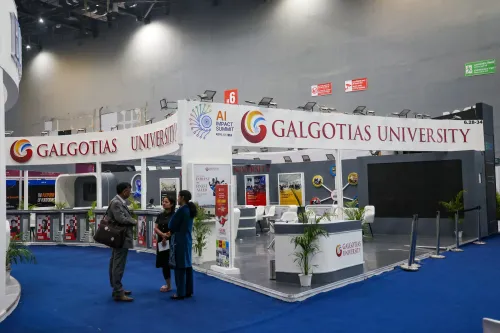
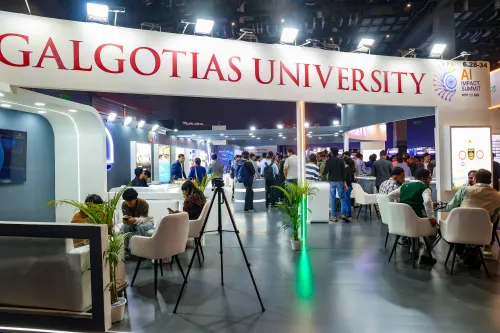
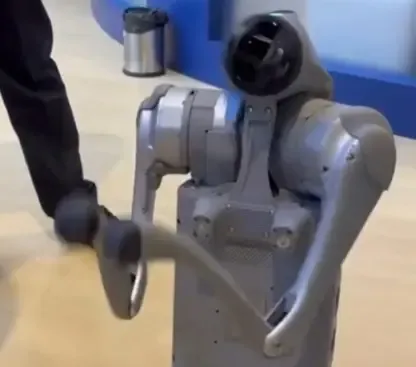
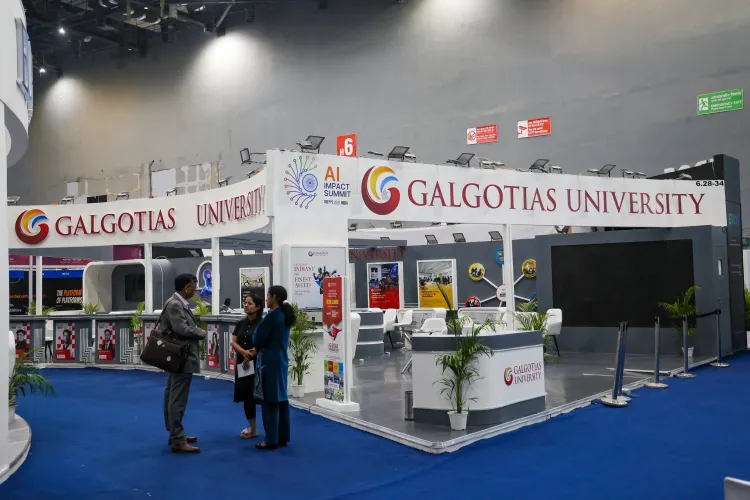
This backlash followed an incident at the summit held at Bharat Mandapam, where the university was instructed to vacate its stall due to allegations that a robotic dog showcased as an in-house innovation was, in fact, a commercially available product.
Observers identified the robot, presented as 'Orion', as the Unitree Go2, manufactured by the Chinese robotics firm Unitree Robotics.
Critics contended that presenting an imported item as a domestic innovation at a premier national AI event raised significant concerns regarding transparency and trustworthiness.
In response to the scrutiny, officials reportedly cut power to the university's exhibition space after requesting its departure.
During a discussion with DD News at the AI Summit, Professor Neha Singh characterized the robot as a product of the university's AI investments, asserting that it could execute surveillance and monitoring functions and was developed internally.
Point of View
The recent events surrounding Galgotias University highlight the fine line between marketing and misrepresentation. While institutions strive for recognition, the backlash reminds us of the importance of credibility and transparency in education.
NationPress
11 Oct 2026
Frequently Asked Questions
What triggered the social media backlash against Galgotias University?
The backlash was triggered by full-page advertisements claiming global recognition, which many found questionable following a controversial incident at the India AI Summit.
What was the incident at the India AI Summit?
Galgotias University was asked to vacate its stall after it was alleged that a robotic dog displayed at their pavilion was not an in-house innovation, but a commercially available product.
How did social media users react to the university's advertisements?
Social media users reacted with ridicule, creating memes and sarcastic comments questioning the university's claims and reputation.
What are the implications of the university's claims?
The implications include potential reputational damage and a loss of trust among prospective students and parents regarding the university's credibility.
Who identified the robot showcased by the university?
Observers identified the robot as the Unitree Go2, developed by Chinese robotics company Unitree Robotics, contradicting the university's claims.