Gandhi Sagar Cabinet meet: tourism, heritage and 2,000 MW power on agenda
Synopsis
Madhya Pradesh is taking its Cabinet to Gandhi Sagar — not for optics, but to anchor a ₹12,987 crore pumped storage project, Asia's largest of its kind, with a 2,000 MW peak-hour generation capacity. Add prehistoric rock art, a Cheetah Project, and a fisheries push, and CM Mohan Yadav is packaging one dam site as the centrepiece of the state's renewable energy, heritage tourism, and rural jobs strategy.
Key Takeaways
Madhya Pradesh CM Mohan Yadav announced an upcoming Cabinet meeting at Gandhi Sagar on 17 November 2026 .
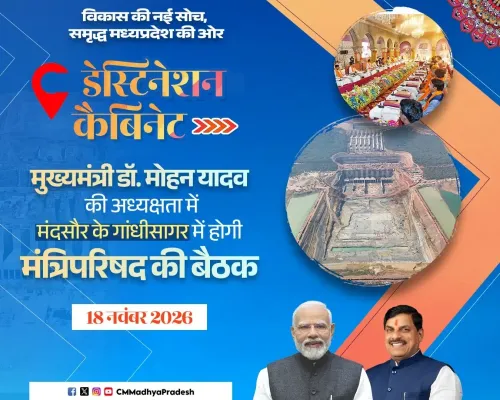
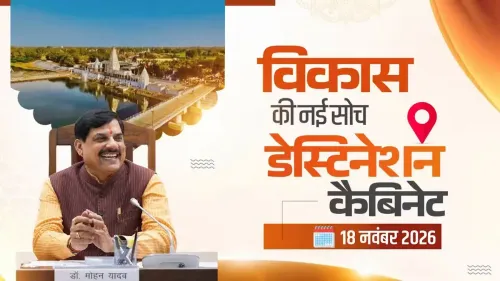
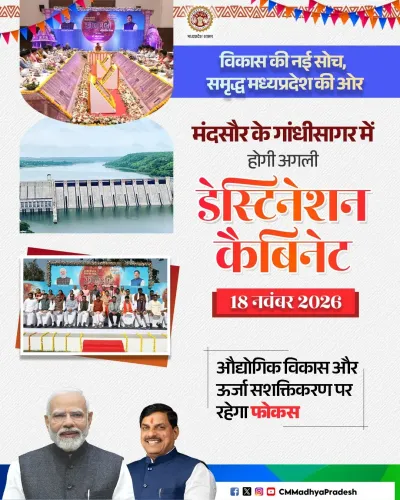
The meeting is part of the government's 'Cabinet Destination' initiative, designed to focus ministerial attention on historically and economically significant locations.
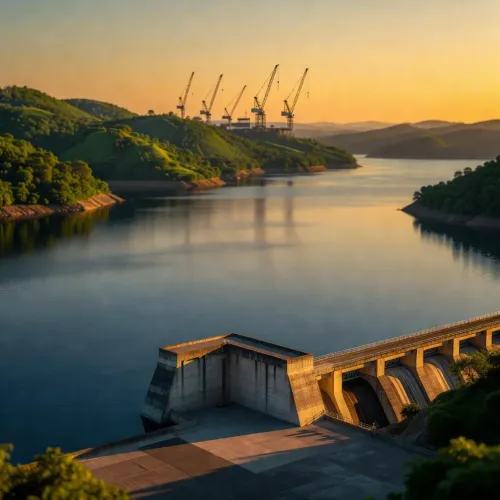
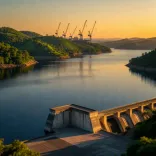
A pumped storage project at Gandhi Sagar — described as the largest in Asia — can generate 2,000 MW during peak demand hours at an estimated cost of ₹12,987 crore .
The facility uses solar power to pump water into an upper reservoir, releasing it to generate electricity, particularly at night.
Gandhi Sagar's other assets include the Gandhi Sagar Wildlife Sanctuary , the Cheetah Project , and prehistoric rock paintings dating back thousands of years.
Development announcements for the Manasa Assembly constituency and educational visits for science students are also planned.
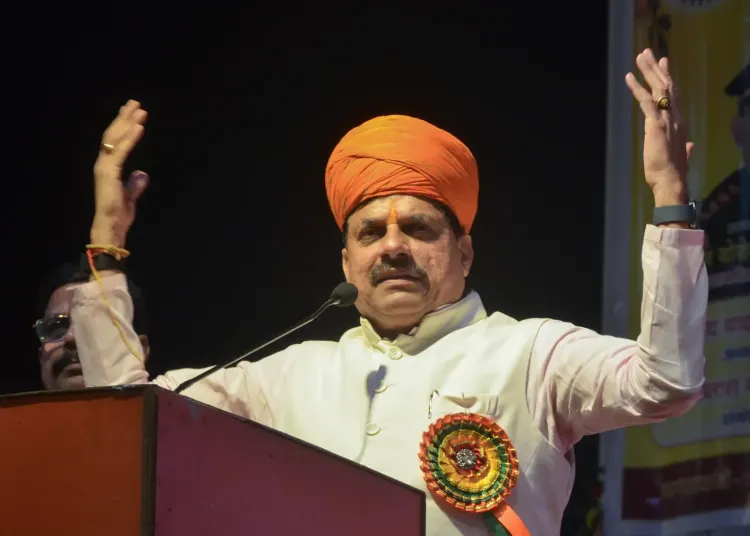
Madhya Pradesh Chief Minister Mohan Yadav on Tuesday, 17 November 2026, announced that an upcoming Cabinet meeting at Gandhi Sagar will spotlight the region's tourism, archaeological heritage, and economic potential — including a ₹12,987 crore pumped storage project capable of generating 2,000 MW of electricity during peak demand hours. The meeting is part of the state government's 'Cabinet Destination' initiative, which takes ministerial gatherings to sites of historical and developmental significance.
What the Cabinet Meeting Aims to Achieve
Chief Minister Yadav said the Gandhi Sagar meeting would differ from earlier Cabinet sittings in its deliberate focus on regional identity and livelihood creation. Tourism, fisheries, and other development activities are expected to be central to the agenda, with the government targeting new employment opportunities for local communities.
'This Cabinet meeting is distinct from our previous meetings. Gandhi Sagar stands to gain a special identity, while the initiatives being undertaken here will create new employment opportunities for the local population,' Yadav said.
Several development announcements for the Manasa Assembly constituency are also planned during his visit, and the government intends to organise educational trips to Gandhi Sagar for science students to acquaint them with pumped storage technology.
The Pumped Storage Project: Asia's Largest of Its Kind
The centrepiece of the economic agenda is a pumped storage hydroelectric project, whose foundation stone was laid during the current government's tenure and has since been completed. According to Yadav, the project is the largest pumped storage facility in Asia.
The mechanism uses solar power during the day to pump water into an upper reservoir; the stored water is then released to drive turbines and generate electricity during periods of peak demand — particularly at night. At near-full capacity, the facility can produce approximately 2,000 MW, at an estimated project cost of ₹12,987 crore.
Yadav said the technology would ensure reliable power availability during high-demand windows and allow states to generate electricity at a lower cost, delivering broader economic benefits.
Tourism, Wildlife and Archaeological Significance
Gandhi Sagar is already a recognised tourism destination, drawing visitors to its dam, the adjoining Gandhi Sagar Wildlife Sanctuary, and the ongoing Cheetah Project. The region also contains ancient rock formations with prehistoric paintings dating back thousands of years, underscoring its archaeological and historical importance.
'The region is significant from archaeological, tourism and religious perspectives. Its vast water body also offers opportunities for fisheries, which can benefit local fishermen,' Yadav said.
The 'Cabinet Destination' Initiative
The 'Cabinet Destination' programme is designed to hold ministerial meetings at locations of historical, cultural, and economic importance — exposing ministers and senior officials directly to local development needs and infrastructure gaps. The initiative is also intended to bring lesser-known heritage sites into public focus, stimulate tourism, and expand livelihood options for surrounding communities.
Yadav added that Prime Minister Narendra Modi had consistently encouraged innovation and public welfare initiatives, lending national-level backing to such grassroots development efforts.
With the Gandhi Sagar meeting set to combine policy decisions with on-ground outreach, the state government is positioning the region as a model for integrating renewable energy, heritage tourism, and rural employment — and all eyes will be on whether the announcements translate into measurable outcomes for Manasa and its neighbouring areas.
Point of View
987 crore pumped storage project that is Asia's largest is a genuinely significant infrastructure milestone, and tying it to a Cabinet sitting forces officials to confront local delivery gaps rather than read briefing notes in Bhopal. The harder question is whether the tourism and fisheries promises follow through: the Cheetah Project at Kuno has already shown how headline wildlife initiatives can outpace on-ground community benefit. If the Gandhi Sagar model is to mean anything, the employment and revenue-sharing framework for local fishermen and tourism operators needs to be codified — not left as a ministerial aspiration.
NationPress
17 Nov 2026
Frequently Asked Questions
What is the Gandhi Sagar pumped storage project?
The Gandhi Sagar pumped storage project is a ₹12,987 crore hydroelectric facility in Madhya Pradesh, described by CM Mohan Yadav as the largest pumped storage project in Asia. It uses solar power to pump water into an upper reservoir during the day, then releases it to generate up to 2,000 MW of electricity during peak demand hours, especially at night.
What is the 'Cabinet Destination' initiative in Madhya Pradesh?
The 'Cabinet Destination' initiative involves the Madhya Pradesh government holding Cabinet meetings at locations of historical, cultural, and economic importance, rather than in the state capital. The aim is to acquaint ministers and officials with local development needs, bring lesser-known heritage sites into focus, and announce targeted development projects for those regions.
Why is Gandhi Sagar significant from a tourism and heritage perspective?
Gandhi Sagar is home to a major dam, the Gandhi Sagar Wildlife Sanctuary, the ongoing Cheetah Project, and ancient rock formations bearing prehistoric paintings thousands of years old. CM Yadav described it as significant from archaeological, tourism, and religious perspectives, with its large water body also offering fisheries potential for local communities.
What development announcements are planned during the Gandhi Sagar Cabinet meeting?
CM Yadav said several development works will be announced for the Manasa Assembly constituency during his visit. The government also plans to organise educational trips for science students to Gandhi Sagar to familiarise them with pumped storage technology.
How does the pumped storage project benefit Madhya Pradesh's power supply?
The project ensures electricity availability during high-demand periods — particularly at night — by storing energy generated from solar power during the day as potential water pressure, then converting it back to electricity on demand. According to CM Yadav, the technology allows states to generate power at a lower cost and reduces dependency on expensive peak-hour grid supply.