SIR voter roll revision: Ashok Gehlot urges all-party talks
Synopsis
Ashok Gehlot says an all-party meeting before the SIR voter roll exercise could have prevented complaints. The former Rajasthan chief minister also alleged that the government wants to increase Lok Sabha seats to 850, while calling for wider consultation on election-related decisions.
Key Takeaways
Former Rajasthan Chief Minister Ashok Gehlot called for all-party consultation on the Special Intensive Revision of electoral rolls.
Gehlot said Chief Election Commissioner Gyanesh Kumar could have discussed duplicate entries, deceased voters and people who had moved.
Several Opposition leaders have raised concerns over the identification and removal of names from electoral rolls.
Gehlot alleged that the government wanted to increase Lok Sabha seats to 850 and take control of delimitation.
Gehlot also sought broader discussion on simultaneous elections and reserved seats.
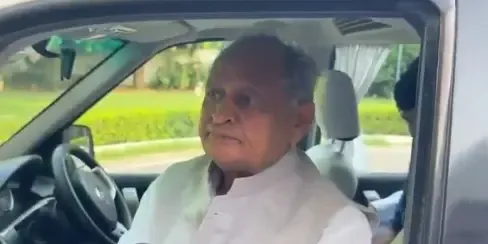
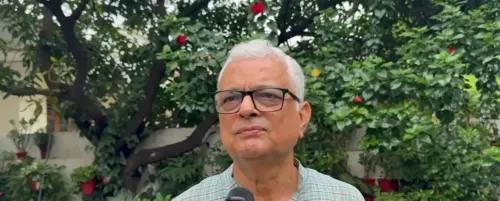
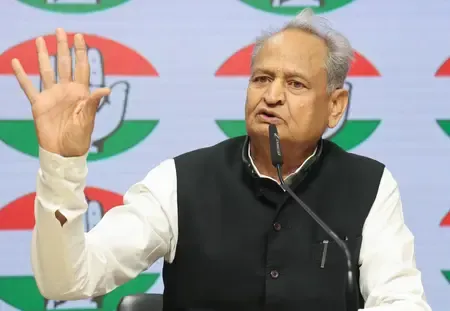
Former Rajasthan Chief Minister Ashok Gehlot on Monday, 23 November said the Special Intensive Revision (SIR) of electoral rolls could have proceeded without complaints if Chief Election Commissioner Gyanesh Kumar had consulted all political parties beforehand. Speaking in an interview reported from New Delhi, the Indian National Congress leader said he did not object to revising voter lists but wanted parties to be taken into confidence about the process.
Gehlot also called for broader consultation on delimitation, women's reservation and the proposal for simultaneous elections, arguing that the Opposition should have a role in decisions affecting the country's democratic framework.
Gehlot's proposal for electoral roll revision
The former chief minister said an all-party meeting could have brought different views together before the SIR exercise began. He pointed to duplicate entries, the names of deceased people and voters who had moved elsewhere as issues that could have been discussed collectively.
“If Gyanesh Kumar had convened an all-party meeting and discussed the issue, saying that there were duplicate names, names of deceased people and people who had shifted elsewhere, and asking everyone what should be done, the Opposition could have given its suggestions,” Gehlot said. He added that a collective exercise could have avoided complaints.
His comments distinguish between the purpose of updating electoral rolls and the way the exercise is conducted. The SIR concerns the revision of voter lists, including questions over which names should remain on or be removed from them.
Opposition concerns over the SIR process
Gehlot's remarks come amid continued Opposition criticism of the Election Commission's handling of the exercise. Several Opposition leaders have raised concerns about how names are identified and removed from electoral rolls.
For voters, the issues raised concern the accuracy of the lists used in elections and the treatment of entries under review. Gehlot maintained that political parties could have offered suggestions if they had been consulted together before the exercise was undertaken.
The remarks do not set out a specific change to the ongoing process, nor do they establish whether the Election Commission plans to convene the meeting he suggested. No response from the commission was included in the account of his interview.
Claims on delimitation and women's reservation
Gehlot described protecting democracy as an immediate challenge for the Opposition. He alleged that the government wanted to pass legislation in Parliament and take control of delimitation, while increasing the number of Lok Sabha seats to 850.
He also claimed that the government wanted to increase seats in the states and raise their strength by half, or around 51 per cent, in the name of women's reservation. These were Gehlot's allegations; the account did not include a government response or details of any such legislation.
Call for wider political consultation
Gehlot said the government was not involving the public or the Opposition sufficiently in decisions on simultaneous elections, delimitation and an increase in reserved seats. He said individual parties were being called for discussions instead of an all-party meeting.
“The biggest principle of democracy is how you involve the Opposition in decision-making,” he said. He argued that consultations could produce suggestions acceptable to the government, even though it would ultimately be able to decide on the strength of its majority.
Gehlot's appeal puts the question of consultation alongside the substantive debate over electoral rolls and proposed election-related changes. Whether the authorities or the government respond to his call for an all-party discussion remains to be seen.
Point of View
While the Opposition should specify the safeguards it wants for affected voters.
NationPress
23 Nov 2026
Frequently Asked Questions
What did Ashok Gehlot say about the SIR?
Ashok Gehlot said the voter roll revision could have been conducted without complaints if Chief Election Commissioner Gyanesh Kumar had consulted all political parties first. He said he did not object to revising electoral rolls.
Why are Opposition leaders concerned about the SIR?
Several Opposition leaders have raised concerns about how names are identified and removed from electoral rolls. Gehlot argued that parties should have been consulted on the process.
What did Gehlot say about Lok Sabha seats and delimitation?
Gehlot alleged that the government wanted to take control of delimitation and increase Lok Sabha seats to 850. The account of his interview did not include a government response or details of legislation.
What consultation has Ashok Gehlot proposed?
Gehlot has proposed an all-party meeting to discuss electoral and related decisions. He criticised discussions with individual parties in place of wider consultation.
What happens next on Gehlot's call for talks?
No response to Gehlot's call for an all-party meeting was included in the account. It remains unclear whether such a meeting will be convened.