Gehlot Foresees Uneven Electoral Battle in Kerala Amidst Strong Anti-Incumbency
Synopsis
In a bold prediction, Ashok Gehlot believes the UDF is set to dominate Kerala's elections, citing growing voter dissatisfaction with the current government. As the electoral battle heats up, key issues like unfulfilled promises are coming to the forefront.
Key Takeaways
Ashok Gehlot predicts a one-sided contest favoring the UDF in Kerala.
Voter dissatisfaction is rising against the current Chief Minister.
Polling begins on April 9, with counting scheduled for May 4.
17.4 crore voters are eligible across five states.
Political campaigns are intensifying as election dates approach.
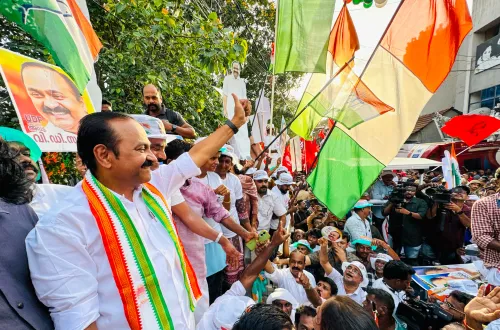
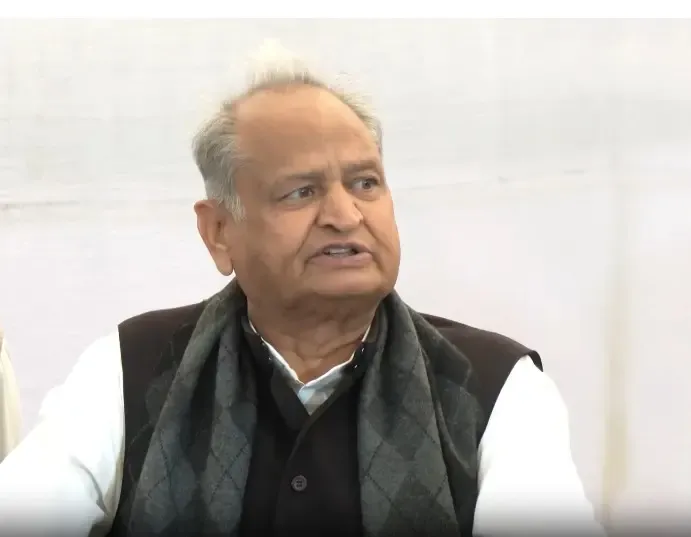
Jaipur, April 3 (NationPress) Former Chief Minister of Rajasthan, Ashok Gehlot, has claimed that the political landscape in Kerala, especially in Thiruvananthapuram, is significantly tilting towards the United Democratic Front (UDF), forecasting a “one-sided contest” in the region.
Gehlot remarked on the prevailing political sentiment, noting that the electorate in Kerala seems to be growing increasingly discontented with the current administration.
“The prevailing sentiment is very favorable toward the UDF. Voters have come to realize there is strong anti-incumbency against the existing Chief Minister. Numerous pledges made five years ago remain unfulfilled, and this issue has become prominent,” he stated.
After his recent visit to Kerala, Gehlot told the press that public opinion suggests the electoral contest may significantly favor the Opposition alliance, the UDF.
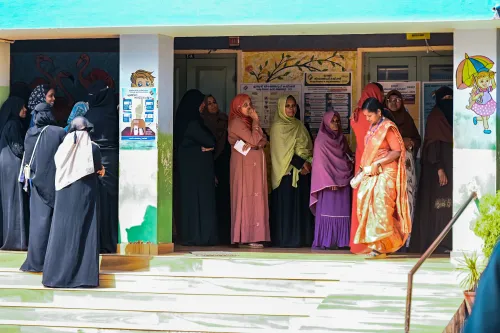
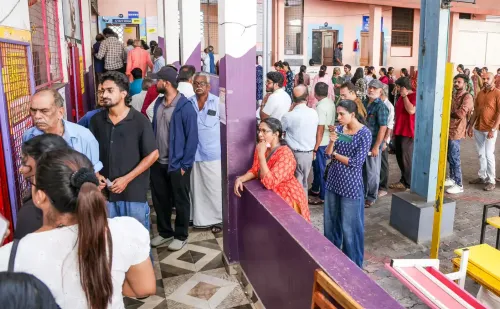
The election schedule for four states and a Union Territory has been announced, setting the stage for a highly competitive electoral season. Polling in Assam, Kerala, and the Union Territory of Puducherry will commence on April 9, initiating voting across 824 constituencies. Tamil Nadu will conduct its single-phase voting on April 23, while West Bengal, the only state with a two-phase schedule, will cast votes on April 23 for 152 seats and again on April 29 for 142 seats.
A total of 17.4 crore voters are eligible to participate in these elections across the five regions.
This extensive electoral schedule highlights the political importance of these states and the Union Territory, which play a crucial role in shaping significant political trends in southern and eastern India.
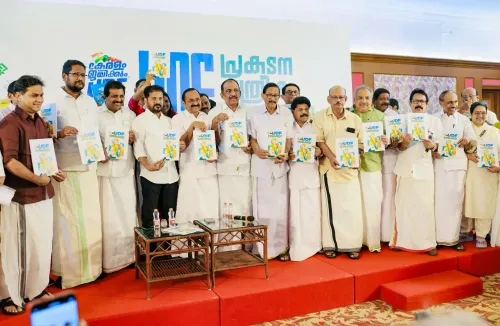
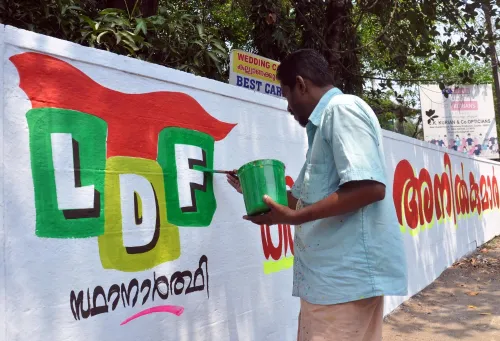
Political organizations have intensified their campaigning efforts, with visits from leaders, development promises, and sharp critiques of opponents now dominating the discourse. Vote counting for all four states and Puducherry is scheduled for May 4, at which point the electorate's final decision will be unveiled.
With anti-incumbency, governance challenges, and regional coalitions playing pivotal roles, these elections promise to provide vital insights into the evolving political landscape of India as it approaches future national elections.
Point of View
It's crucial to present a balanced view on the electoral dynamics in Kerala. The shift in voter sentiment towards the UDF reflects deeper issues within the current administration. This election is shaping up to be significant, not just for Kerala but for the broader political landscape in India.
NationPress
11 Oct 2026
Frequently Asked Questions
What is the current political situation in Kerala?
The political atmosphere in Kerala is shifting towards the UDF, with indications of strong anti-incumbent sentiments against the current government.
What are the key issues affecting Kerala's elections?
Key issues include unfulfilled promises by the current Chief Minister and rising voter dissatisfaction.
When will the elections in Kerala take place?
Polling in Kerala is scheduled for April 9, with vote counting on May 4.
How many voters are eligible for the upcoming elections?
A total of 17.4 crore voters are eligible to participate in the elections across the five states.
What role do regional alliances play in these elections?
Regional alliances, particularly the UDF, are crucial as they may significantly influence the election outcomes amid current anti-incumbency sentiments.