Giriraj Singh pitches 'Soil-to-Silk' to revive Bengal's coal wastelands
Synopsis
Union Textiles Minister Giriraj Singh has backed the 'Soil-to-Silk' initiative to convert coal mining-affected land in West Bengal into mulberry cultivation zones, linking land reclamation with silk production and positioning the state as a national hub for textiles, apparel, and jute.
Key Takeaways
Union Textiles Minister Giriraj Singh publicly endorsed the 'Soil-to-Silk' initiative on 8 November 2026 .
The scheme proposes converting coal mining-affected land in West Bengal into mulberry cultivation zones for silk production.
Mulberry farming is cited as a tool to simultaneously green barren land and create new rural livelihoods for mining-affected communities.
Singh's stated goal is to establish West Bengal as a leading national centre for textiles, apparel, and jute — a significant eastern pivot from India's traditional southern and western apparel clusters.
The initiative aligns with the Ministry of Textiles' historical support for sericulture clusters and regional textile expansion in eastern India.
Specific districts, funding details, and an official launch date for Soil-to-Silk remain to be confirmed by the Ministry.
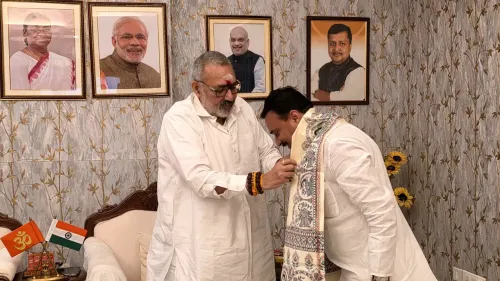
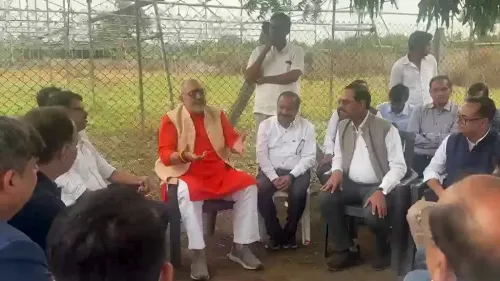
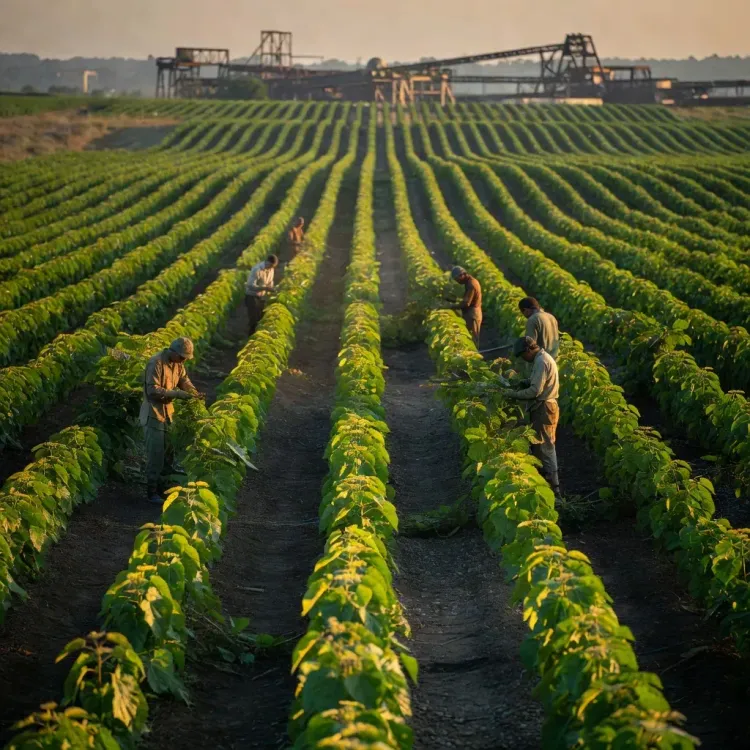
Barren, coal-scarred earth turning green with mulberry rows — that is the image Union Textiles Minister Giriraj Singh put before the country on Sunday, 8 November 2026, when he championed the 'Soil-to-Silk' initiative as a transformative path for mining-affected land in West Bengal.
Posting in Hindi, the Minister declared: 'Koyla khanan se prabhavit bhoomi ko resham utpadan ka kendra banane ki disha mein Soil-to-Silk pahel ek sarthak kadam hai' — 'The Soil-to-Silk initiative is a meaningful step toward turning coal mining-affected land into a centre of silk production.' The idea is disarmingly direct: plant mulberry on degraded ground, feed silkworms, generate livelihoods, and hand communities an economy the mine once took away.
From coal pits to mulberry rows — the logic of Soil-to-Silk
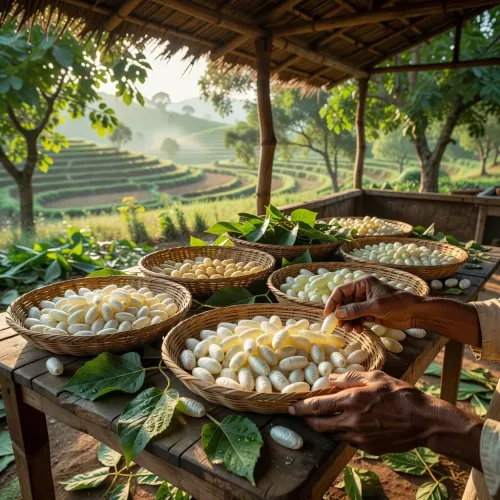
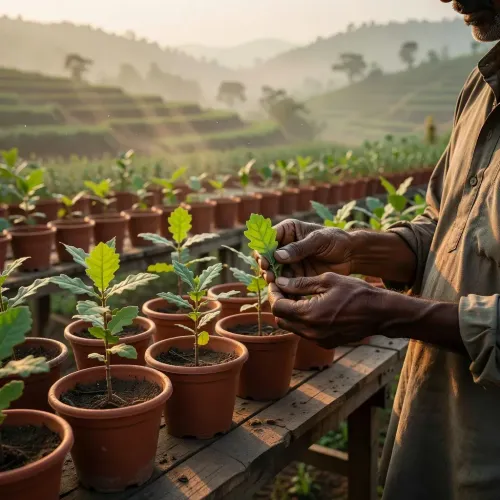
India has a long, quietly successful playbook of pairing land reclamation with sericulture. Mulberry is an unusually forgiving crop: it stabilises loose, nutrient-poor soil, demands relatively modest water, and matures fast enough to give small cultivators a quick income signal. For the families whose livelihoods tracked the rhythm of a colliery — and who now watch those operations wind down — that speed matters enormously.
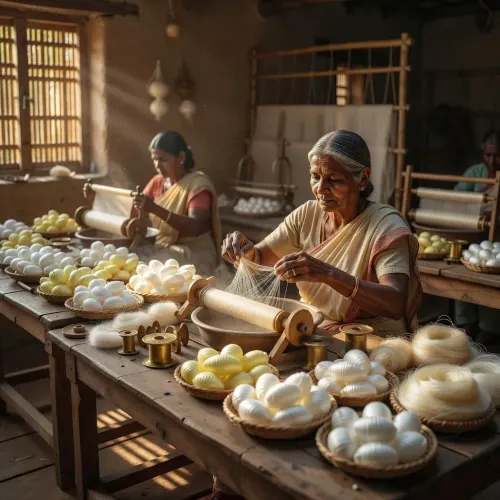
Singh underlined that the mulberry push would do double duty: greening wasteland while creating 'new livelihood opportunities for local people.' The Ministry of Textiles has historically supported sericulture clusters and regional silk expansion under broader central schemes, and this framing slots Soil-to-Silk squarely into that lineage — with an added environmental dividend that conventional textile policy rarely claims.
West Bengal as India's eastern textiles powerhouse
West Bengal already anchors India's jute economy — a heritage the Minister explicitly acknowledged. His stated ambition goes further: to establish the state as 'a leading centre of the country's textile, apparel, and jute industry.' That is a significant upgrade in aspiration. For years, India's major apparel clusters have concentrated in Tamil Nadu, Gujarat, and Karnataka. A deliberate eastern pivot — using Bengal's jute base as a foundation and silk as a new layer — would rebalance that geography.
The strategic logic is sound. Bengal has the workforce, the port access through Kolkata, and an existing weaving tradition. What it has lacked is coordinated central investment and a unifying anchor crop for the degraded mining belts in its western districts. Soil-to-Silk is positioned as that anchor.
What state-centre coordination will decide
The watch item now is execution. Rolling out mulberry plantations on identified coal-affected sites requires a functioning state-centre coordination mechanism — land records, forest clearances, and district-level agriculture extension all need to move together. Any new budget allocation or formal textile policy announcement for West Bengal will be the clearest signal of how quickly this ambition is being operationalised.
Specific districts targeted, funding quantum, and an official launch date for Soil-to-Silk remain to be confirmed by the Ministry. But the political intent has now been stated publicly, raising the accountability bar for both governments.
India has promised before to turn its mining scars into productive landscapes. What Soil-to-Silk offers is a rare chance to prove that silk, not just solar panels, can grow where coal once ruled — and to let West Bengal's weavers write that chapter.
Point of View
A state the party has been courting intensively, by tying environmental reclamation to economic dignity for mining communities. The eastern-pivot framing for India's textile industry also signals a quiet challenge to the dominance of southern and western apparel clusters, potentially reshaping where future Ministry of Textiles investment flows. For the initiative to move beyond ministerial rhetoric, however, it will need state government buy-in from a TMC administration in Kolkata that has not always aligned with New Delhi's industrial priorities. The credibility test will come at the next Union Budget: whether Soil-to-Silk earns a dedicated line-item or stays a headline.
NationPress
8 Nov 2026
Frequently Asked Questions
What is the Soil-to-Silk initiative in India?
Soil-to-Silk is a proposal under the Union Ministry of Textiles to convert coal mining-affected and degraded land — particularly in West Bengal — into mulberry cultivation zones for silk production, with the dual aim of restoring barren land and generating rural livelihoods.
Which minister is promoting the Soil-to-Silk scheme?
Union Textiles Minister Giriraj Singh, a senior BJP leader and Lok Sabha MP from Begusarai, Bihar, publicly backed the Soil-to-Silk initiative on 8 November 2026.
How does mulberry farming help coal mining-affected land?
Mulberry is a hardy crop that can grow in nutrient-poor, disturbed soils; it helps stabilise and green degraded land while providing raw material for sericulture, giving displaced mining communities a new income source relatively quickly.
What is Giriraj Singh's vision for West Bengal's textile industry?
Giriraj Singh has stated his goal is to establish West Bengal as a leading national centre for textiles, apparel, and jute — building on the state's existing jute heritage and adding silk as a new pillar through schemes like Soil-to-Silk.
When will Soil-to-Silk launch and which districts will it cover?
As of November 2026, the official launch date, specific districts, and funding details for the Soil-to-Silk initiative have not been confirmed by the Ministry of Textiles.