Giriraj Singh Backs Andhra Pradesh at Bharat Tex 2026
Synopsis
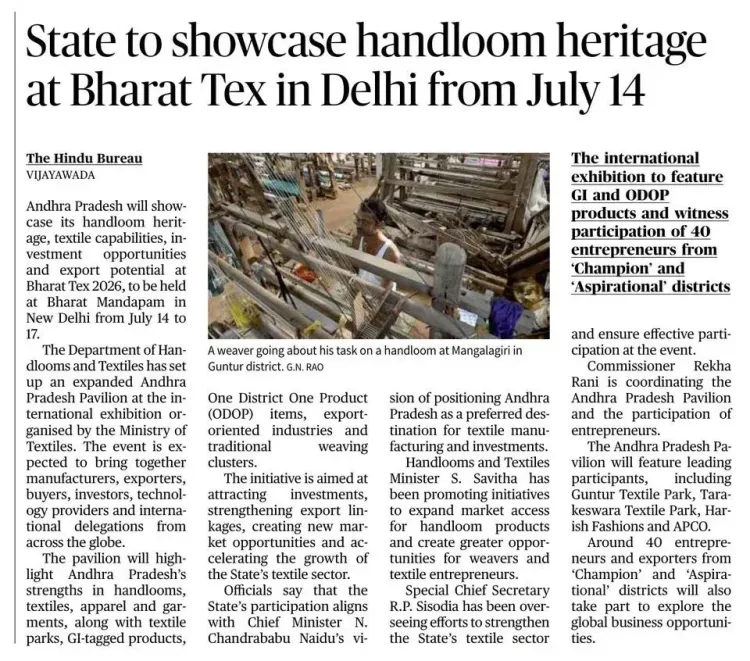
Union Textiles Minister Giriraj Singh on 11 July 2026 praised Andhra Pradesh for mobilising entrepreneurs from Champion and Aspirational districts to exhibit handloom, GI-tagged, and ODOP products at Bharat Tex 2026, calling it a powerful step toward global recognition of India's textile heritage.
Key Takeaways
Union Textiles Minister Giriraj Singh on 11 July 2026 publicly praised Andhra Pradesh's participation in Bharat Tex 2026 .
Entrepreneurs from Champion and Aspirational districts of Andhra Pradesh are set to exhibit handloom, GI-tagged , and ODOP products at the event.
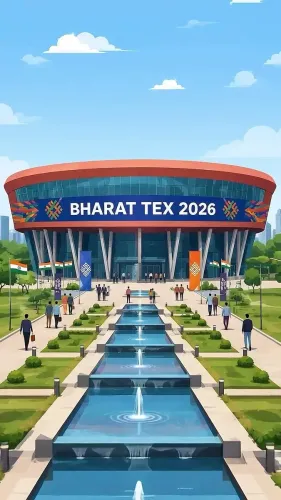
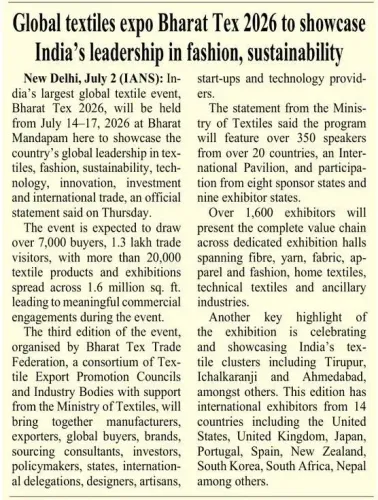
Bharat Tex 2026 is positioned as a national platform to give India's textile diversity and heritage a global identity.
The ODOP scheme was first launched in Uttar Pradesh in 2018 and later expanded centrally to support district-level artisans and MSMEs.
The GI tag framework under the 1999 Act provides legal protection and export premium to region-specific textile products.
The ministry's endorsement signals active central government support for state-level mobilisation ahead of Bharat Tex 2026.
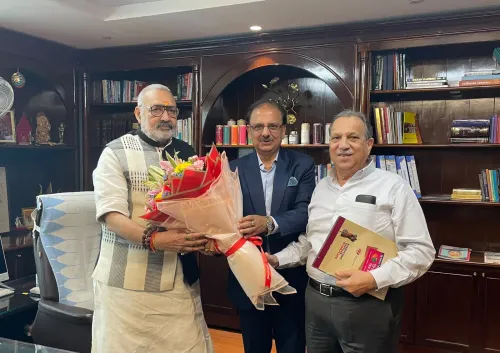
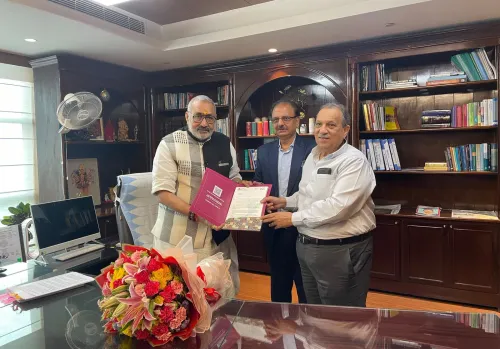
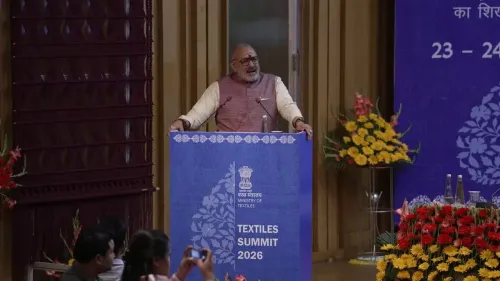
Union Textiles Minister Giriraj Singh on Saturday, 11 July 2026 praised Andhra Pradesh's initiative of bringing entrepreneurs from its Champion and Aspirational districts to Bharat Tex 2026, calling it a creditable effort to give global visibility to the state's handloom, GI-tagged, and ODOP products.
Context
Posting on X, the minister wrote that Bharat Tex 2026 is becoming 'एक सशक्त माध्यम' ('a powerful medium') to give India's textile sector a new identity on the global stage. He specifically highlighted the participation of entrepreneurs from Andhra Pradesh's Champion and Aspirational districts, describing their decision to showcase handloom, Geographical Indication (GI)-tagged, and One District One Product (ODOP) goods as a commendable initiative. He added that local products, rich cultural heritage, and the craft of weavers and artisans would gain fresh recognition before the world through such platforms.
The post was accompanied by an image and tagged with #BharatTex2026, #Handloom, #ODOP, #VocalForLocal, and #AndhraPradesh, signalling the ministry's active push to amplify state-level participation ahead of the event.
Policy Backdrop
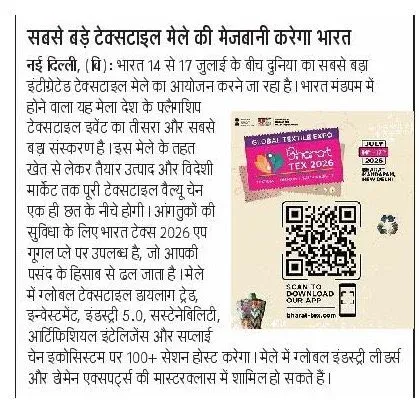
Bharat Tex 2026 is a national-level platform designed to showcase India's textile diversity, handloom traditions, and heritage products to international buyers. The event sits within a broader policy architecture that successive governments have built to link traditional crafts with export promotion and rural livelihoods.
The ODOP scheme, first launched in Uttar Pradesh in 2018, was later adopted centrally to boost district-level manufacturing and help artisans and MSMEs access wider markets. The Geographical Indications of Goods (Registration and Protection) Act, 1999 provides legal recognition to region-specific products, including textiles, shielding them from imitation and adding premium value in export markets. The Vocal for Local push, which gained fresh momentum under the Atmanirbhar Bharat package announced in 2020, further reinforced the emphasis on domestic production and consumption of Indian goods.
Andhra Pradesh has a significant handloom heritage, with several clusters producing GI-tagged fabrics. The ministry's focus on Champion and Aspirational districts reflects the government's stated goal of ensuring regionally balanced industrial growth within the textiles sector.
Stakeholders and Impact
The primary beneficiaries of this initiative are handloom weavers, GI artisans, and ODOP entrepreneurs from Andhra Pradesh's backward and aspirational districts, who stand to gain direct exposure to national and international buyers through Bharat Tex 2026. For many of these artisans, participation in a platform of this scale represents a rare opportunity to bypass intermediaries and present their craft directly to a global audience.
Broader stakeholders include textile exporters, state government agencies responsible for district-level product selection, and craft clusters that could benefit from increased orders, GI registrations, or export incentives tied to the event. The minister's public endorsement also signals that the central government is monitoring and encouraging state-level mobilisation ahead of the event.
What's Next
Attention will now turn to the state-level process of finalising product selections and participation targets from Andhra Pradesh's Champion and Aspirational districts for Bharat Tex 2026. Any new GI registrations or export incentives announced specifically for Andhra Pradesh handloom clusters in the run-up to the event will be closely watched by the industry.
If the ministry succeeds in mobilising a critical mass of district-level entrepreneurs across multiple states, Bharat Tex 2026 could serve as a template for integrating grassroots artisan networks into India's formal textile export ecosystem — a shift that would have lasting implications for rural livelihoods and the country's position in global handloom markets.
Point of View
Particularly from districts that have historically been left out of mainstream export pipelines. By singling out Andhra Pradesh's Champion and Aspirational districts, the minister is reinforcing the BJP government's 'Vocal for Local' and Atmanirbhar Bharat narrative while also building political equity in a state where the party has been working to expand its footprint. The convergence of GI protection, ODOP branding, and a large-format international textile event represents a maturing of India's craft-export policy — one that moves beyond token showcases toward structured market linkages. Whether Bharat Tex 2026 delivers tangible order flows for district-level weavers, rather than just visibility, will be the real test of this approach.
NationPress
11 Jul 2026
Frequently Asked Questions
What is Bharat Tex 2026?
Bharat Tex 2026 is a national-level textile exhibition platform designed to showcase India's handloom traditions, textile diversity, and heritage products to domestic and international buyers, with the Ministry of Textiles actively encouraging state-level participation.
What is the ODOP scheme in India?
The One District One Product (ODOP) scheme was first launched in Uttar Pradesh in 2018 and later expanded by the central government to promote unique district-specific goods, including textiles, to help local artisans and MSMEs access wider markets.
What is a GI tag and why does it matter for handloom products?
A Geographical Indication (GI) tag, granted under the Geographical Indications of Goods (Registration and Protection) Act of 1999, provides legal recognition to region-specific products. For handloom goods, it prevents imitation, adds export premium, and helps artisans establish authentic brand identity in global markets.
Which districts of Andhra Pradesh are participating in Bharat Tex 2026?
Giriraj Singh's post refers to entrepreneurs from Andhra Pradesh's Champion and Aspirational districts participating in Bharat Tex 2026. The specific list of districts is subject to state-level finalisation ahead of the event.
What is the Vocal for Local initiative?
Vocal for Local is a campaign that gained significant momentum under the Atmanirbhar Bharat package announced in 2020, encouraging Indian consumers and institutions to prefer domestically produced goods and helping local artisans and manufacturers compete in both home and export markets.