Giriraj Singh backs PM Modi's new anti-paper-leak bill
Synopsis
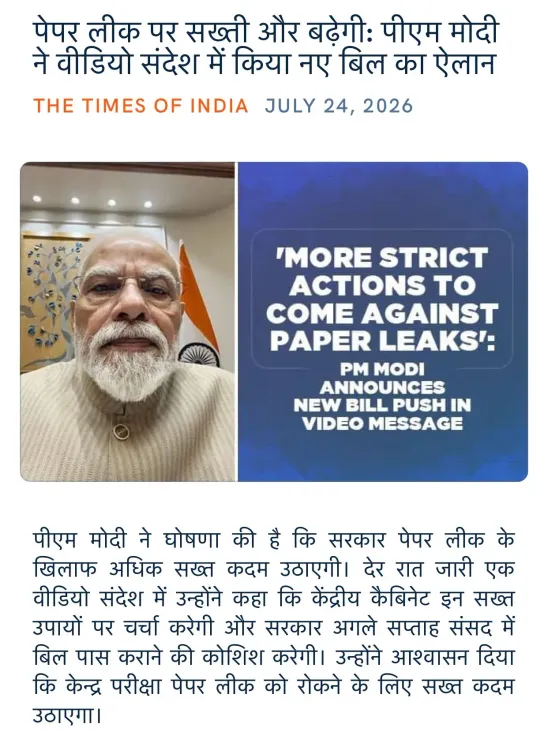
Prime Minister Narendra Modi announced a new bill to tighten action against paper leaks in public examinations, communicating directly with students via a video message on the NaMo App. Union Textiles Minister Giriraj Singh amplified the announcement on 24 July 2026, signalling the government's intent to escalate legislative deterrence against exam fraud.
Key Takeaways
PM Modi announced stricter measures and a new bill against paper leaks via a video message on the NaMo App on 24 July 2026 .
Union Textiles Minister Giriraj Singh shared the announcement on X, lending ministerial amplification to the PM's message.
The move builds on the Public Examinations (Prevention of Unfair Means) Bill introduced in February 2024 .
Exam bodies such as the NTA and UPSC are expected to face new enforcement obligations under any forthcoming legislation.
Recurring paper leak incidents in exams like NEET have made exam integrity a major political and governance priority for the BJP government.
Parliamentary introduction and debate on the new bill, along with enforcement notifications, are the key next steps to watch.
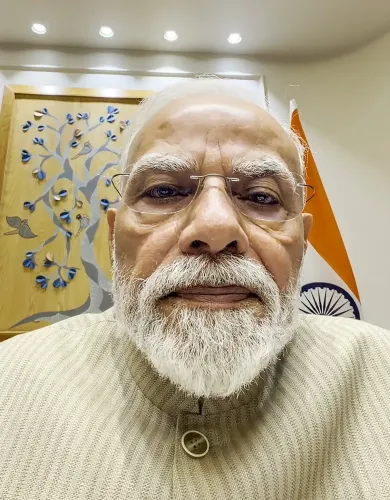
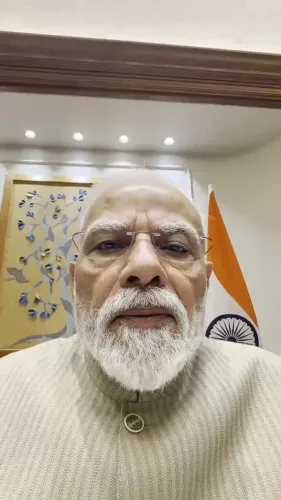
Union Textiles Minister Giriraj Singh on Friday, 24 July 2026 shared a video message from Prime Minister Narendra Modi in which the PM announced stricter measures against paper leaks and the introduction of a new bill to strengthen India's examination integrity framework.
Context
The post, shared by Giriraj Singh on his official X account, amplifies PM Modi's direct communication to students via the NaMo App. The PM's video message, according to the post, signals that 'strictness on paper leaks will increase further' — peper leak par sakht aur badhegi — and that a new legislative measure is on the way.
The announcement comes amid sustained public concern over recurring paper leak incidents that have undermined trust in competitive examinations across India, including high-stakes tests for government recruitment and medical admissions.
Policy Backdrop
The government's latest move builds on the Public Examinations (Prevention of Unfair Means) Bill, which was introduced in the Lok Sabha in February 2024 to create a dedicated legal framework penalising malpractices — including paper leaks — in national-level recruitment and entrance examinations.
That legislation was itself a response to a pattern of exam fraud that had repeatedly disrupted the careers of lakhs of aspirants. The PM's announcement of a further, newer bill suggests the government views the 2024 legislation as a foundation to build upon, not a final word.
Bodies such as the National Testing Agency (NTA) and the Union Public Service Commission (UPSC) administer examinations that attract crores of candidates annually, making the integrity of these tests a matter of national concern.
Stakeholders and Impact
The primary beneficiaries of tighter anti-leak legislation are exam aspirants — a demographic numbering in the crores — who invest years of preparation and significant resources in competitive examinations. A single leak can invalidate months of effort and delay career timelines by a year or more.
Examination authorities, including the NTA, face institutional pressure to overhaul security protocols and accountability mechanisms. Stricter penalties under any new bill are expected to target not just paper-setters but also the organised networks that distribute leaked content.
For the ruling BJP, the issue carries political weight: paper leak controversies have fuelled public anger and student protests, making a demonstrable legislative response an electoral and governance priority.
What's Next
Parliamentary introduction of the new bill will be the key milestone to watch, along with the debate it is expected to generate across party lines. Notifications detailing enforcement rules and the agencies empowered to act will follow if the bill is passed.
The government's willingness to layer new legislation on top of the 2024 Act signals an intent to escalate deterrence — but the true test will be implementation: whether enforcement agencies are given the resources and independence to act against powerful interests involved in exam fraud.
Point of View
Layered on top of the 2024 legislation, suggests the government acknowledges that the earlier law alone has not been sufficient deterrent. For Giriraj Singh, amplifying this message ties a senior BJP leader to a youth-centric governance narrative that resonates well beyond his core Textiles portfolio. The broader arc here is one of competitive exam reform as a recurring BJP electoral signal — but the gap between legislative intent and ground-level enforcement remains the critical unanswered question.
NationPress
24 Jul 2026
Frequently Asked Questions
What did PM Modi announce about paper leaks in July 2026?
PM Modi announced in a video message on the NaMo App that the government would bring stricter measures and a new bill to prevent paper leaks in public examinations.
What is the Public Examinations (Prevention of Unfair Means) Bill?
It is a law introduced in the Lok Sabha in February 2024 to penalise malpractices, including paper leaks, in national-level recruitment and entrance examinations.
Why did Giriraj Singh share PM Modi's paper leak message?
Union Textiles Minister Giriraj Singh, a senior BJP leader and Lok Sabha MP from Begusarai, shared the PM's video message on X to amplify the government's stance on exam integrity.
Which exams are affected by paper leak controversies in India?
High-profile exams including NEET and various state-level government recruitment tests have been affected by paper leak incidents, prompting calls for stronger legislation.
What happens next after PM Modi's paper leak bill announcement?
The key steps are the formal introduction of the new bill in Parliament, legislative debate, and the issuance of enforcement rules for bodies like the NTA and UPSC.