CBI arrests North Eastern Railway officer in Varanasi for ₹1.70 lakh bribe
Synopsis
A Senior Divisional Materials Manager of North Eastern Railway was caught red-handed by the CBI in Varanasi, allegedly accepting ₹1.70 lakh in bribes from a GeM-registered firm that had supplied ₹9.47 lakh worth of furniture — and was still awaiting payment. The case exposes how procurement corruption can persist even within digitised government marketplaces.
Key Takeaways
The CBI arrested a Senior Divisional Materials Manager of North Eastern Railway in Varanasi on 23 July 2026 for allegedly accepting a bribe of ₹1.70 lakh .
The complainant's firm had supplied furniture worth ₹9.47 lakh to the officer's office between February and June 2026 and was awaiting partial payment.
The accused allegedly threatened the complainant with denial of future contracts if the bribe was not paid.
The officer was produced before a court in Lucknow and remanded to judicial custody until 7 August 2026 .
In a separate case, a special CBI court in Ghaziabad convicted Umesh Kumar Singhal , former branch manager of Sarva UP Gramin Bank, Meerut , sentencing him to four years' imprisonment and a fine of ₹10,000 for accepting a ₹25,000 bribe from a loan applicant.
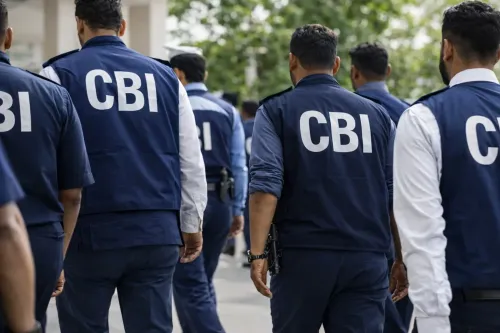
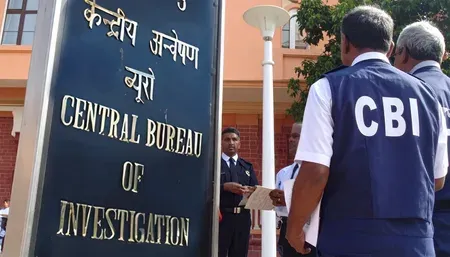
The Central Bureau of Investigation (CBI) has arrested a Senior Divisional Materials Manager (Sr DMM) of the North Eastern Railway (NER) in Varanasi, Uttar Pradesh, for allegedly accepting a bribe of ₹1.70 lakh, officials confirmed on Friday, 25 July 2026. The officer was caught red-handed in a CBI trap operation, marking the latest in a series of anti-corruption actions targeting public servants in the railway sector.
How the Case Unfolded
The CBI registered the case on 23 July 2026 following a complaint filed by the proprietor of a Government e-Marketplace (GeM)-registered private firm. According to the CBI, the complainant's company had supplied furniture worth ₹9.47 lakh to the office of the Sr DMM, NER, Varanasi, between February and June 2026 and had received only partial payment for the supplies.
The complaint alleged that the railway officer demanded ₹1.70 lakh in illegal gratification on 15 July 2026 in exchange for processing the pending dues and facilitating future payments owed to the firm. The accused was further alleged to have threatened the complainant with denial of future contracts if the bribe demand was not met.
The Trap and Arrest
Acting on the complaint, the CBI laid a trap on 23 July and allegedly caught the officer red-handed while accepting the bribe amount. The accused public servant was subsequently arrested and produced before a competent court in Lucknow. The court remanded him to judicial custody until 7 August 2026. The CBI said further investigation into the case is underway.
A Second Conviction in Meerut
In a separate development, a special CBI court in Ghaziabad on the same day convicted and sentenced the then branch manager of a gramin bank in Meerut to four years' imprisonment with a fine of ₹10,000 in a decade-old bribery case. Umesh Kumar Singhal, Branch Manager of Sarva UP Gramin Bank, Branch Machhra, Meerut, had accepted a bribe of ₹25,000 from a loan applicant, according to officials.
Broader Context
This comes amid sustained CBI scrutiny of procurement-linked corruption in public sector undertakings. Railway materials managers, who oversee vendor payments and contract approvals, have been flagged in multiple past CBI investigations as vulnerable to bribery due to their control over pending dues. Notably, the GeM platform — introduced to bring transparency to government procurement — did not insulate this transaction from alleged extortion at the payment-processing stage, underscoring that systemic vulnerabilities persist beyond the tendering process itself.
Point of View
To the payment-release stage. GeM was designed to cut out middlemen and reduce discretionary power; yet the officer here allegedly weaponised precisely that discretion over pending dues. The CBI's trap-and-catch model is effective for individual cases but does not address the structural gap: railway vendors, especially small firms dependent on a single contract, remain acutely vulnerable to extortion because they have no credible escalation path that does not risk future business. Until payment timelines are automated and enforceable, the bribe-for-payment racket will persist regardless of how many arrests are made.
NationPress
24 Jul 2026
Frequently Asked Questions
Why did the CBI arrest the North Eastern Railway officer in Varanasi?
The CBI arrested the Senior Divisional Materials Manager of North Eastern Railway in Varanasi for allegedly accepting a bribe of ₹1.70 lakh from a GeM-registered firm. The officer allegedly demanded the payment in exchange for processing pending dues of ₹9.47 lakh owed to the firm for furniture supplies made between February and June 2026.
What is the current status of the arrested railway officer?
The accused officer was produced before a competent court in Lucknow following his arrest on 23 July 2026 and has been remanded to judicial custody until 7 August 2026. The CBI has stated that further investigation is ongoing.
What was the threat made by the accused railway officer?
According to the CBI, the accused officer threatened the complainant with denial of future government contracts if the bribe demand of ₹1.70 lakh was not met. The demand was allegedly made on 15 July 2026.
Who is Umesh Kumar Singhal and what was his conviction for?
Umesh Kumar Singhal was the Branch Manager of Sarva UP Gramin Bank, Branch Machhra, Meerut, who was convicted by a special CBI court in Ghaziabad in a decade-old bribery case. He was sentenced to four years' imprisonment and fined ₹10,000 for accepting a bribe of ₹25,000 from a loan applicant.
What is the Government e-Marketplace (GeM) and how is it connected to this case?
The Government e-Marketplace (GeM) is a digital procurement platform introduced by the Indian government to bring transparency and efficiency to public sector purchasing. In this case, the complainant's firm was GeM-registered and had supplied furniture to the railway office through the platform, but allegedly faced extortion at the payment-processing stage despite completing the supply.