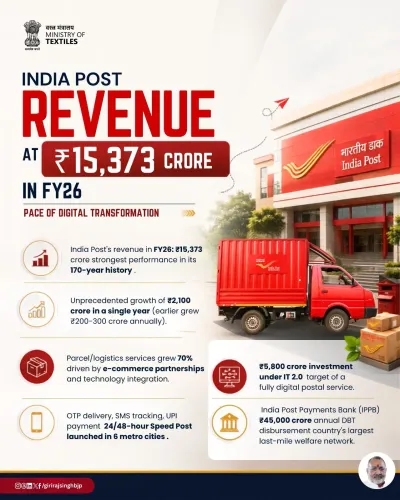
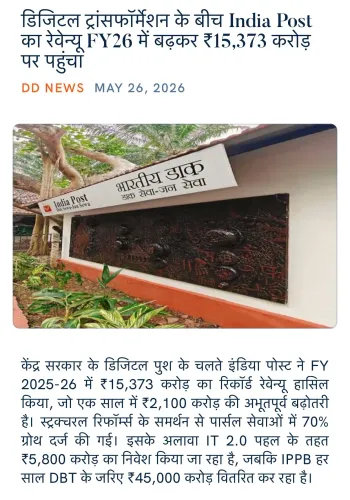
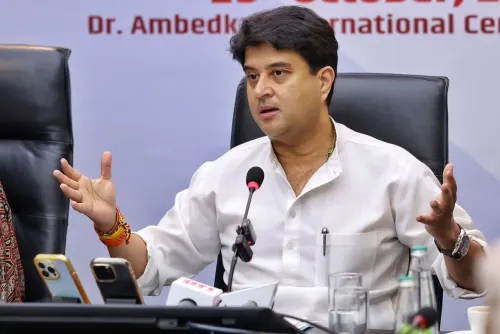
Giriraj Singh flags 25% revenue, 71% parcel surge at India Post
Synopsis
Union Textiles Minister Giriraj Singh on 23 October 2026 highlighted a 25% revenue jump and a 71% parcel-business surge at India Post, attributing the gains to digital modernisation and the department's expanding technology-driven services.
Key Takeaways
India Post revenue has grown by 25% , according to Union Textiles Minister Giriraj Singh .
Parcel business at the Department of Posts has surged by 71% , driven largely by e-commerce growth in Tier-2, Tier-3, and rural markets.
The growth reflects investments in digital services, parcel processing centres, and track-and-trace technology .
The India Post Payments Bank (IPPB) , established in 2018 , has added a financial-services revenue stream to the department's traditional postal income.
The Digital India programme (launched 2015) seeded the technology upgrades underpinning the current performance gains.
Analysts will watch the Department of Posts annual report and the next Union Budget for capital-allocation signals on sustaining this growth.
India's postal network — 1.5 lakh-plus offices stretching from Himalayan villages to coastal towns — is quietly posting numbers that would make any logistics company envious. Union Textiles Minister Giriraj Singh on Friday, 23 October 2026 highlighted a 25% jump in the Department of Posts' revenue and a striking 71% surge in parcel business, calling them proof of the modernisation wave sweeping an institution most Indians associate with inland letters and money orders.
Posting in Hindi, Singh wrote: 'भारतीय डाक विभाग के राजस्व में 25% की वृद्धि और पार्सल कारोबार में 71% की बढ़ोतरी' — 'A 25% rise in the revenue of the Department of Posts and a 71% increase in parcel business reflect the positive changes taking place towards the modernisation and expansion of postal services. Through modern technology and the expansion of digital services, India Post is establishing new dimensions.'How 71% parcel growth rewrites India Post's identity
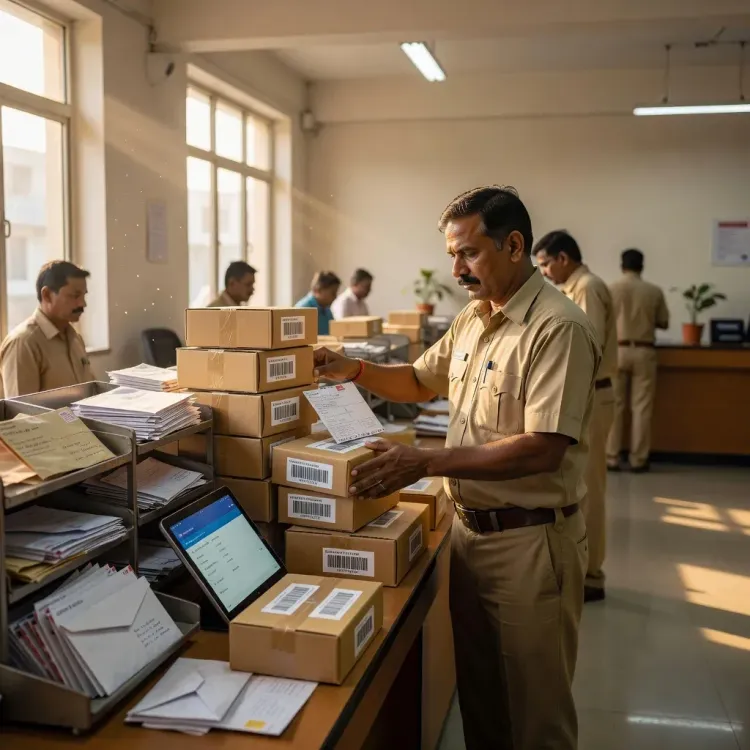
The parcel number is the headline figure here — and it isn't accidental. The explosion of e-commerce across India's Tier-2, Tier-3 cities and rural hinterland has turned India Post into a last-mile logistics partner that private courier firms struggle to match on reach. The department's unrivalled network — the largest postal network in the world by office count — gives it a structural edge precisely where commercial players find it uneconomical to operate.
E-commerce businesses shipping to pin codes beyond metro corridors and rural consumers ordering online for the first time are the two engines driving this parcel boom. As demand surges, the department has invested in parcel processing centres, track-and-trace technology, and digital booking interfaces to absorb the volume.
Digital India's long tail reaches the post office
The revenue and parcel numbers sit inside a larger modernisation story that stretches back to the Digital India programme launched in 2015. That initiative seeded technology upgrades across government departments, and India Post was an early — if sometimes slow — beneficiary. The establishment of the India Post Payments Bank (IPPB) in 2018 was a landmark step, turning post offices into banking access points for millions of unbanked Indians, adding a fee-income stream to the department's balance sheet alongside traditional mail and logistics revenue.
Together, payments banking, digital remittances, and the parcel surge represent a diversification that has reduced the department's historic dependence on declining letter mail. The 25% revenue uptick Singh cited reflects this composite growth — not a single product line, but a portfolio expanding in step with a digitalising economy.
What this means for rural connectivity and the next Budget
For rural India, the stakes are concrete: a post office that earns more can invest more — in staff, in technology, in the banking terminals that double as the only financial-services touchpoint for millions of citizens. Analysts and departmental watchers will now look to the Department of Posts annual report and the next Union Budget for capital-allocation signals that confirm whether these growth rates translate into sustained infrastructure investment or remain headline figures in a ministerial post.
India Post's transformation from a letter-carrier to a digital-logistics-and-financial-services platform is no longer a future ambition — the numbers Singh shared suggest it is already under way. The real test is whether the department can institutionalise that momentum at scale.
Point of View
Or whether they will be absorbed into the department's wage-heavy cost structure. Investors and social-sector analysts alike will treat the next Union Budget as the real credibility test for this modernisation story.
NationPress
23 Oct 2026
Frequently Asked Questions
What is the revenue growth reported for India Post?
Union Textiles Minister Giriraj Singh stated that the Department of Posts has recorded a 25% increase in revenue , attributing the growth to digital modernisation and expansion of services.
Why has India Post's parcel business grown so sharply?
The 71% surge in India Post's parcel business is largely driven by the boom in e-commerce, especially in Tier-2, Tier-3 cities and rural areas where India Post's unmatched network gives it a last-mile logistics advantage over private couriers.
What is India Post Payments Bank and how does it help?
India Post Payments Bank (IPPB) , established in 2018 , turned post offices into banking access points for millions of unbanked Indians, adding a fee-income stream to the department's revenue alongside traditional postal and logistics earnings.
How is Digital India connected to India Post's modernisation?
The Digital India programme launched in 2015 funded technology upgrades across government departments, including India Post , enabling digital booking, track-and-trace systems, and the expansion of financial services through post offices.
What should we watch for next regarding India Post's growth?
The Department of Posts annual report and the next Union Budget are the key markers to watch — they will reveal whether the government plans to channel the revenue gains into sustained infrastructure and technology investment.