Giriraj Singh hails Central Silk Board training for Rajouri farmers
Synopsis
Union Textiles Minister Giriraj Singh on 6 November 2026 praised the Central Silk Board for training Rajouri farmers in modern sericulture techniques, linking the initiative to improved silk yields and stronger rural incomes in Jammu and Kashmir.
Key Takeaways
Union Textiles Minister Giriraj Singh commended the Central Silk Board's farmer-training programme in Rajouri, Jammu and Kashmir on 6 November 2026 .
The training covers modern and scientific silk-production techniques aimed at improving cocoon yield and raw-silk quality.
The Central Silk Board is an autonomous body under the Ministry of Textiles responsible for sericulture development across India.
Rajouri's climate makes it well-suited for mulberry cultivation and silkworm rearing, giving it significant sericulture potential.
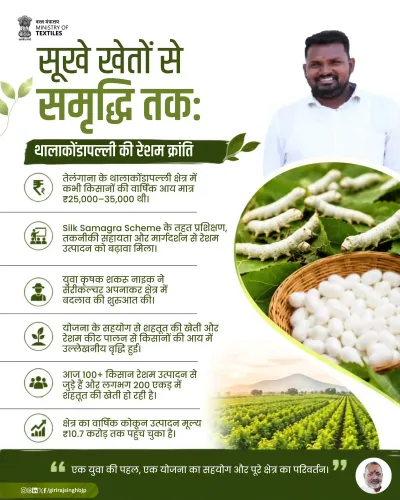
The initiative aligns with the Silk Samagra scheme (2017) , which targets non-traditional silk-growing regions including Jammu and Kashmir.
The minister stated such efforts would strengthen farmers' incomes alongside boosting productivity and silk quality.
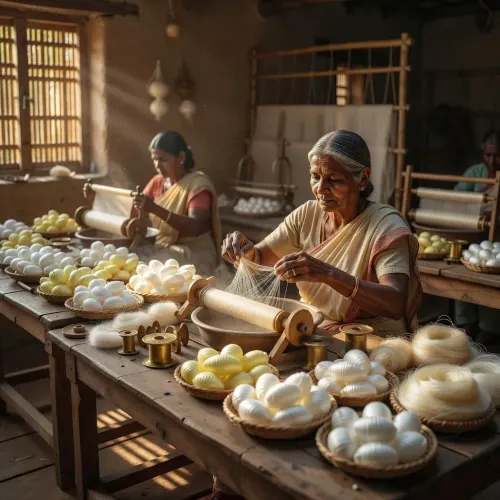
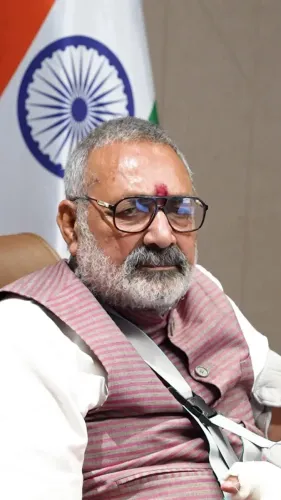
A quiet but consequential push to modernise sericulture is under way in Rajouri, Jammu and Kashmir — and Union Textiles Minister Giriraj Singh wants the country to notice. On Friday, 6 November 2026, the minister took to X to commend the Central Silk Board's initiative of providing farmers in Rajouri with training in modern and scientific silk-production techniques.
Posting in Hindi, the minister wrote: 'जम्मू-कश्मीर के राजौरी में केंद्रीय रेशम बोर्ड द्वारा किसानों को आधुनिक एवं वैज्ञानिक रेशम उत्पादन तकनीकों का प्रशिक्षण देना सराहनीय कदम है।' — 'The Central Silk Board's initiative of training farmers in modern and scientific silk-production techniques in Rajouri, Jammu and Kashmir, is a commendable step.' He added that such efforts would not only improve the quality and yield of silk production but also give farmers' incomes 'new strength'.Central Silk Board's reach into J&K's sericulture belt
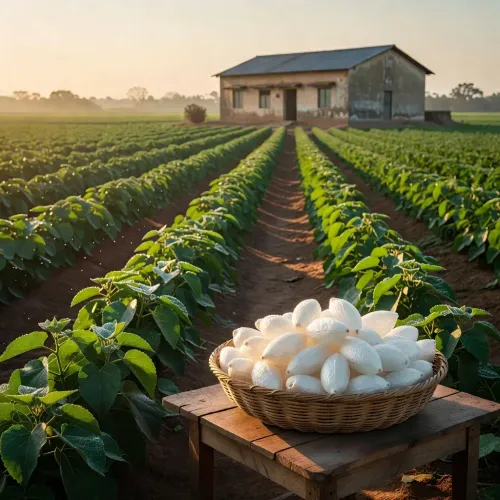
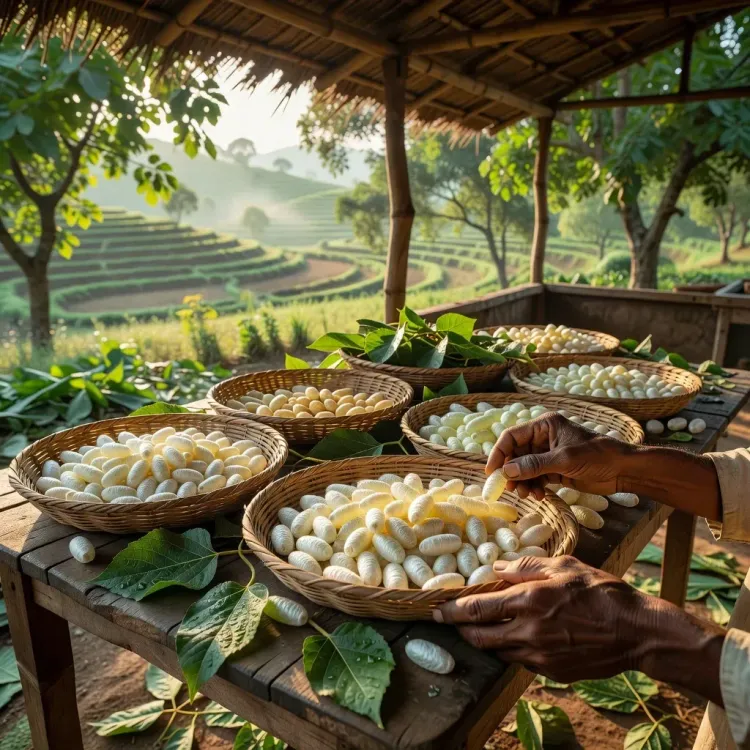
The Central Silk Board (CSB), an autonomous body under the Ministry of Textiles, has long carried a mandate to lift cocoon productivity and raw-silk quality across India through research, training, and extension work. Rajouri is not an accidental choice: the district's climate is well-suited to mulberry cultivation and silkworm rearing, giving it latent sericulture potential that formal training programmes can convert into real farm income.
The CSB's farmer-outreach work draws from a lineage of successive five-year plan allocations and, more recently, the Silk Samagra scheme (launched 2017), which was designed precisely to channel modern techniques into non-traditional silk-growing regions. Jammu and Kashmir has featured in this expansion push as central policymakers look to diversify the state's agricultural income base beyond horticulture.
Why scientific sericulture matters for Rajouri's farm incomes
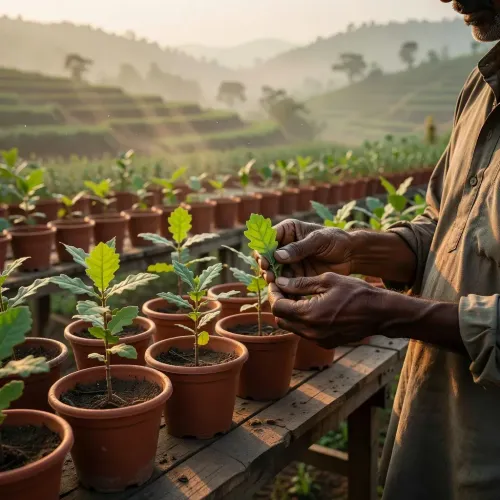
Traditional silkworm rearing in India suffers from low cocoon yields and inconsistent raw-silk quality — gaps that scientific training directly addresses, covering areas such as improved mulberry varieties, disease-resistant silkworm breeds, and better post-cocoon processing. For smallholder farmers in a district like Rajouri, even a modest lift in yield-per-rearing translates into a meaningful income jump, since silk commands premium prices relative to most food crops.
Minister Singh's public endorsement signals the Ministry of Textiles' continued backing for the CSB's on-ground work in the region. The broader pattern — successive central governments scaling up scientific sericulture in non-traditional areas — suggests Rajouri is one node in a wider effort to deepen India's raw-silk supply chain while anchoring rural livelihoods in border districts.
Whether similar training modules reach other districts across J&K, and whether the state administration backs these efforts with infrastructure investment, will determine how far this momentum travels.
Point of View
Building a visible policy narrative around 'farmer welfare' ahead of continued outreach in J&K. That the minister specifically named a district rather than speaking in generalities suggests the ministry is tracking sub-regional outcomes — a signal that J&K's sericulture belt may see deeper institutional investment in the near term.
NationPress
6 Nov 2026
Frequently Asked Questions
What is the Central Silk Board doing in Rajouri?
The Central Silk Board is conducting training programmes for farmers in Rajouri, Jammu and Kashmir, covering modern and scientific silk-production techniques to improve cocoon yield and raw-silk quality.
What is the Silk Samagra scheme?
Silk Samagra is a central government scheme launched in 2017 under the Ministry of Textiles to modernise sericulture through research, technology dissemination, and farmer training, with a focus on expanding silk production into non-traditional regions like Jammu and Kashmir.
Why is Rajouri suitable for sericulture?
Rajouri district in Jammu and Kashmir has a climate conducive to mulberry cultivation and silkworm rearing, giving it established potential for silk production that targeted training and investment can develop further.
What did Giriraj Singh say about the Rajouri silk training?
Union Textiles Minister Giriraj Singh called the Central Silk Board's farmer-training initiative in Rajouri a 'commendable step', saying it would improve silk quality and yield while giving farmers' incomes 'new strength'.
How does sericulture training help farmers' incomes?
Scientific sericulture training helps farmers adopt improved mulberry varieties, disease-resistant silkworm breeds, and better post-cocoon processing, which raise cocoon yields and raw-silk quality — directly boosting earnings since silk commands premium prices relative to most food crops.