Giriraj Singh hails India's imitation jewellery on global stage
Synopsis
Union Textiles Minister Giriraj Singh praised India's imitation jewellery sector on 17 November 2026, saying its global recognition proves the hard work of artisans and rural entrepreneurs and mirrors the Atmanirbhar Bharat vision.
Key Takeaways
Union Textiles Minister Giriraj Singh posted on 17 November 2026 celebrating India's imitation jewellery earning global market recognition.
He attributed the achievement to artisans and entrepreneurs in small cities and rural areas.
The minister linked the sector's rise to the Atmanirbhar Bharat Abhiyan launched in May 2020 .
India's imitation jewellery clusters are concentrated in states such as Rajasthan and Uttar Pradesh , operating largely within the MSME segment.
The Production Linked Incentive scheme for textiles (2021) is among the policy tools aimed at boosting such export-oriented manufacturing.
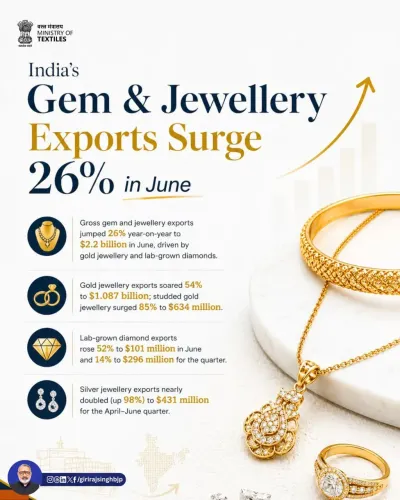
Latest gems and jewellery export data from the Ministry of Commerce will be the next concrete measure of the sector's global momentum.
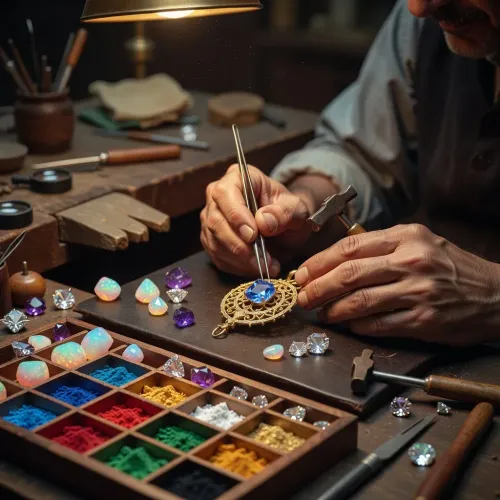
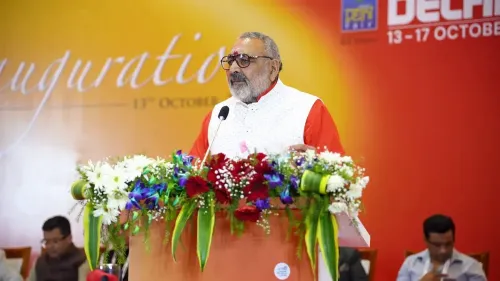
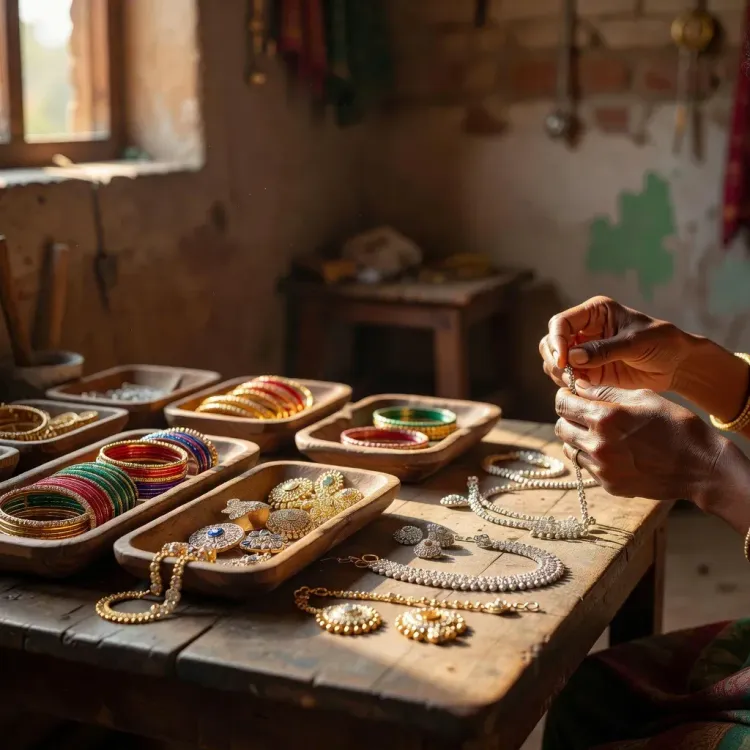
From small-town workshops to international markets, India's imitation jewellery sector is punching well above its weight — and Union Textiles Minister Giriraj Singh wants the world to take notice. On Tuesday, 17 November 2026, the minister took to X to celebrate the growing global recognition of Indian costume jewellery, calling it proof of the grit of the country's artisans and entrepreneurs.
Posting in Hindi, Singh wrote: 'Bharat ki imitation jewellery ko vaishvik bazaar mein milti pahchaan desh ke karigarron aur udyamiyon ki mehnat ka pramaan hai.' ('The global recognition that India's imitation jewellery is receiving in world markets is proof of the hard work of the country's artisans and entrepreneurs.') He added that Indian products are emerging from small cities and rural areas to 'spread their shine across the world's markets' — a moment that, in his words, reflects the strength of local industries and the march towards an Atmanirbhar Bharat.
Clusters, craft, and the export opportunity
India's imitation and costume jewellery industry has historically been rooted in clusters across Rajasthan, Uttar Pradesh and several other states, where traditional metalworking and stone-setting skills have been passed down through generations. These clusters sit squarely within the MSME universe — small units, often family-run, supplying global retail chains and fashion markets.
The sector's integration into global value chains has been a long-running policy priority. The Atmanirbhar Bharat Abhiyan, launched in May 2020, explicitly targeted such industries by pushing domestic manufacturing, reducing import dependence on raw materials, and building export competitiveness. The Production Linked Incentive scheme for textiles, introduced in 2021, extended similar logic — incentivise scale, reward exports, strengthen clusters.
The Ministry of Textiles' stake in the story
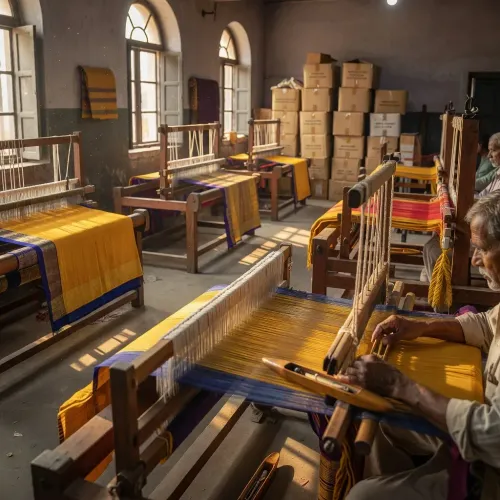
The Ministry of Textiles oversees not just fabric and apparel but a broad canvas that includes handicrafts and artisanal exports — the ecosystem that feeds the imitation jewellery trade. Singh's post is consistent with the ministry's sustained emphasis on rural and semi-urban manufacturing as the backbone of India's export diversification story.
The bigger picture: when artisans in a tier-3 town ship their work to buyers in Europe or the Middle East, it validates exactly what Atmanirbhar Bharat promised — not isolation, but self-reliant competitiveness on a global stage. That is the narrative the minister is amplifying.
The next data point to watch is the Ministry of Commerce's release of the latest gems and jewellery export figures, which will put hard numbers behind the momentum Singh is describing.
Point of View
Spotlighting rural artisans succeeding in global markets serves a dual purpose: it validates six years of self-reliance policy and signals continuity of the manufacturing-led growth story heading into future electoral cycles. The choice of a culturally resonant, grassroots industry — rather than a headline infrastructure project — also suggests a conscious effort to broaden the economic success story beyond urban corridors. Watch for whether this translates into formal cluster-development or export-promotion announcements from the Ministry of Textiles in the near term.
NationPress
17 Nov 2026
Frequently Asked Questions
What did Giriraj Singh say about India's imitation jewellery?
Union Textiles Minister Giriraj Singh said on 17 November 2026 that the global recognition India's imitation jewellery is receiving is proof of the hard work of the country's artisans and entrepreneurs, and reflects the progress of local industries under the Atmanirbhar Bharat vision.
Where are India's imitation jewellery clusters located?
India's imitation and costume jewellery manufacturing clusters are primarily concentrated in Rajasthan and Uttar Pradesh, though the sector spans several other states, with most units operating as small and micro enterprises.
What is Atmanirbhar Bharat and how does it relate to the jewellery sector?
Atmanirbhar Bharat Abhiyan, launched in May 2020, is a government initiative promoting self-reliant domestic manufacturing and global competitiveness. The imitation jewellery sector, with its rural artisan base and export potential, is cited as an example of this policy bearing fruit.
What is the Production Linked Incentive scheme for textiles?
The Production Linked Incentive scheme for textiles, introduced in 2021, provides financial incentives to manufacturers to scale up production and boost exports, covering clusters that include artisanal and handicraft-linked industries.
Which ministry oversees India's imitation jewellery and artisan exports?
The Ministry of Textiles, headed by Giriraj Singh, oversees policy for textiles, apparel and related handicraft exports, including the artisan-driven segments that feed into the imitation jewellery trade.