Giriraj Singh Hails Mithila Makhana's Rising Global Fame

Synopsis
Union Textiles Minister Giriraj Singh celebrated the rising global appeal of Mithila Makhana on X, highlighting Bihar farmers' role and the crop's GI-tagged identity as drivers of its international success.
Key Takeaways
Union Textiles Minister Giriraj Singh posted on October 19, 2026 praising the global rise of Mithila Makhana .
Makhana is produced primarily in Bihar's Mithila region , making it central to the state's rural agrarian economy.
The Central Government granted a Geographical Indication (GI) tag to Mithila Makhana in 2019 , strengthening its brand in international markets.
Rising global demand is driven by makhana's nutritional profile — gluten-free, low-calorie, and protein-rich — appealing to health-conscious consumers worldwide.
GI protection and global marketing of regional crops is a broader central government strategy to raise farmer incomes and boost agricultural exports.
A humble aquatic crop from the wetlands of Bihar is quietly conquering global shelves — and Union Textiles Minister Giriraj Singh wants the world to take notice. On Monday, October 19, 2026, the senior BJP leader posted on X to celebrate the surging international popularity of Mithila Makhana, calling it a point of pride for Bihar's farmers and India's agricultural heritage.
In his post, Singh wrote: 'मिथिला का मखाना आज अपनी पौष्टिकता और विशिष्ट पहचान के दम पर दुनिया भर में लोकप्रिय हो रहा है' — 'Mithila's makhana is today gaining popularity across the world on the strength of its nutritional value and distinctive identity.' He added that the global recognition of this 'invaluable produce of Bihar' is a matter of honour for the hard work of its farmers and India's rich agricultural legacy.
From Bihar's Ponds to the World's Pantries
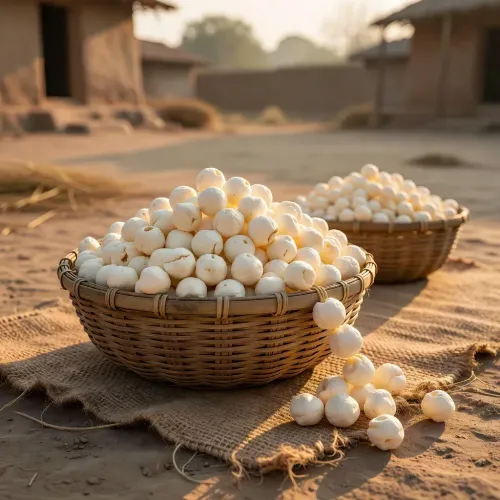
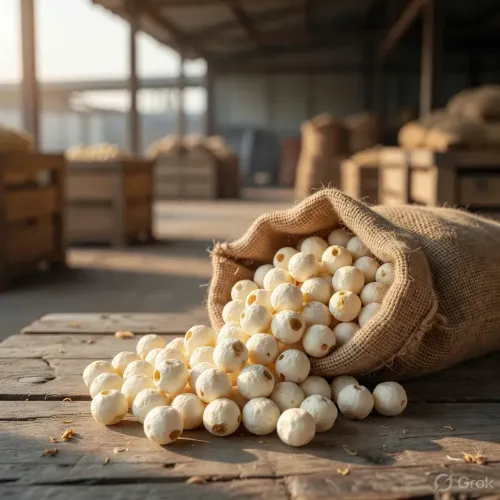
Makhana — fox nuts or lotus seeds harvested from shallow wetlands — has long been a dietary staple in the Mithila region, a cultural belt straddling Bihar and southern Nepal. The crop is nutritionally dense, gluten-free, and low-calorie, attributes that have driven its demand in health-food markets across North America, Europe, and Southeast Asia. Bihar accounts for the overwhelming share of India's makhana production, making the crop central to the rural economy of districts like Darbhanga, Madhubani, and Sitamarhi.
The central government took a foundational step in 2019 when it granted a Geographical Indication (GI) tag to Mithila Makhana — a certification that legally protects the product's origin-linked identity, much like Darjeeling tea or Basmati rice. That tag gave exporters and farmers a brand differentiator in competitive international markets, allowing 'Mithila Makhana' to command premium pricing over generic fox-nut supply from other regions.
GI Tag, Global Shelf Space, and the Farmer at the Centre
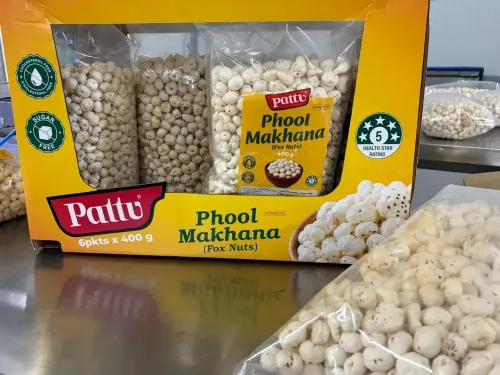
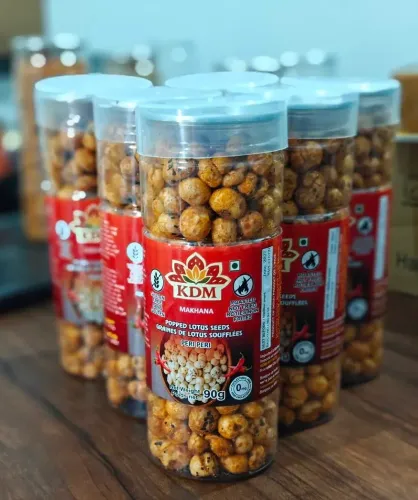
Singh's post fits into a wider pattern of the central government deploying GI registrations and agricultural branding as tools to raise farmer incomes and export revenues. Several traditional Indian crops — from Alphonso mangoes to Coorg coffee — have followed similar trajectories: GI protection first, then coordinated export promotion. For makhana, the next logical steps being watched in policy circles include processing and value-addition clusters in Bihar and targeted export promotion schemes that could push the product up the value chain from raw seed to packaged snack.
For Bihar's makhana farmers — many of them small and marginal cultivators working rain-fed ponds — international demand directly translates into better farmgate prices. The minister's public endorsement keeps political attention on the crop at a time when state-centre coordination on agricultural exports remains a work in progress.
Point of View
Initiated in 2019, is now yielding visible brand dividends, and ministerial endorsements keep the narrative alive in policy corridors. For a government that has staked political capital on doubling farm incomes, spotlighting a GI-tagged crop going global is both a proof-of-concept and a pressure point for faster export infrastructure. The subtext is clear: the pipeline from field to foreign shelf needs further state investment to fully honour what the GI tag promised.
NationPress
19 Oct 2026
Frequently Asked Questions
What is Mithila Makhana and why is it famous?
Mithila Makhana refers to fox nuts (lotus seeds) harvested from wetlands in Bihar's Mithila region. It is famous for its high nutritional value — gluten-free, protein-rich, and low in calories — and holds a Geographical Indication (GI) tag granted in 2019 that certifies its unique regional origin.
When did Mithila Makhana get a GI tag?
Mithila Makhana received its Geographical Indication (GI) tag in 2019, recognising its origin-linked identity and helping it compete as a premium product in domestic and international markets.
What did Giriraj Singh say about Mithila Makhana?
On October 19, 2026, Union Textiles Minister Giriraj Singh posted on X that Mithila Makhana is gaining worldwide popularity due to its nutritional value and distinctive identity, calling it a source of pride for Bihar's farmers and India's agricultural heritage.
Which districts in Bihar produce makhana?
The main makhana-producing districts in Bihar are Darbhanga, Madhubani, and Sitamarhi, all located in the Mithila cultural belt where shallow wetlands support large-scale fox-nut cultivation.
How does the GI tag help Bihar makhana farmers?
The GI tag legally protects the name 'Mithila Makhana', preventing misuse and allowing farmers and exporters to market the product as a premium, origin-authenticated item. This supports better farmgate prices and gives Indian exporters a brand edge in health-food markets globally.