Giriraj Singh Shares Highlights of Vastra Shikhar Sammelan 2026
Synopsis
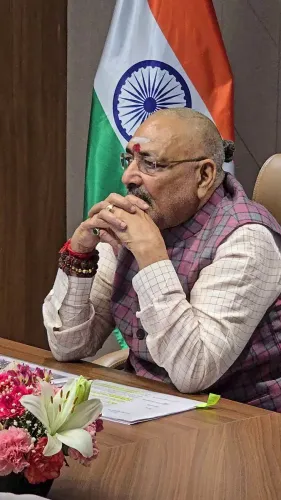
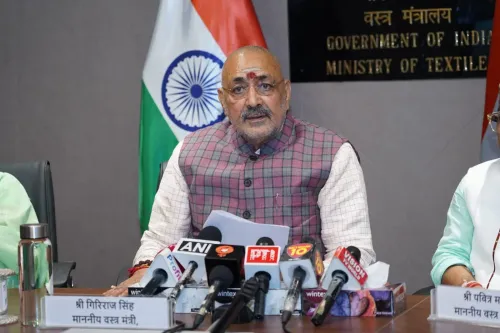
Union Textiles Minister Giriraj Singh shared glimpses of the Vastra Shikhar Sammelan 2026 on 23 June, a summit organised with the resolve to elevate India's textile trade and exports. The event builds on a layered policy framework including the PLI scheme, RoSCTL, and the National Technical Textiles Mission.
Key Takeaways
Giriraj Singh posted highlights from the Vastra Shikhar Sammelan 2026 on 23 June 2026 , framing the summit around boosting India's textile trade and exports.
The summit builds on the PLI Scheme for Textiles (notified 2021 ), which supports man-made fibre apparel, fabrics, and technical textiles manufacturing.
The RoSCTL scheme , introduced in 2019 , rebates state and central taxes for apparel and made-ups exporters and has been periodically extended.
The National Technical Textiles Mission (approved 2020 ) underpins R&D and innovation in defence, agriculture, and infrastructure textiles.
Key stakeholders include textile exporters and MSME manufacturers who will watch for fresh incentives emerging from the summit's recommendations.
Outcomes may feed into the next Union Budget or Foreign Trade Policy review.
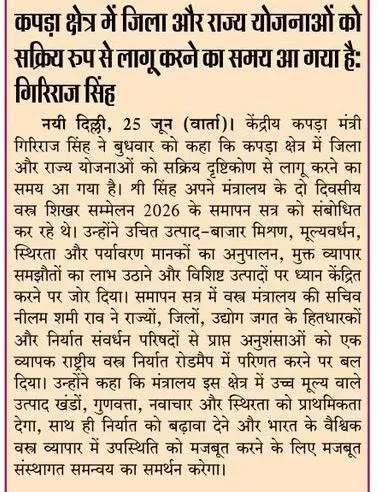
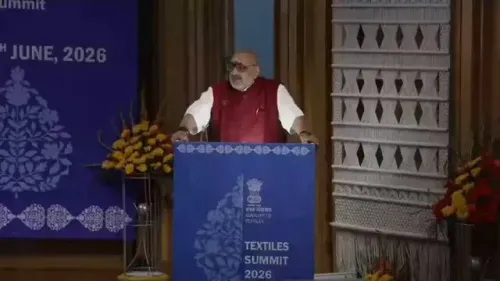
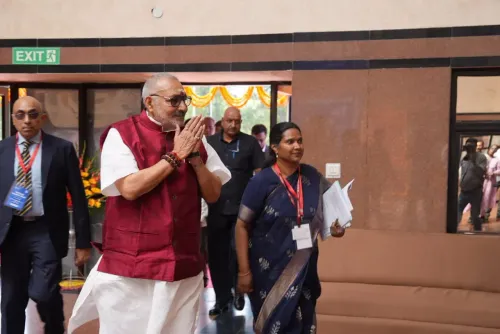
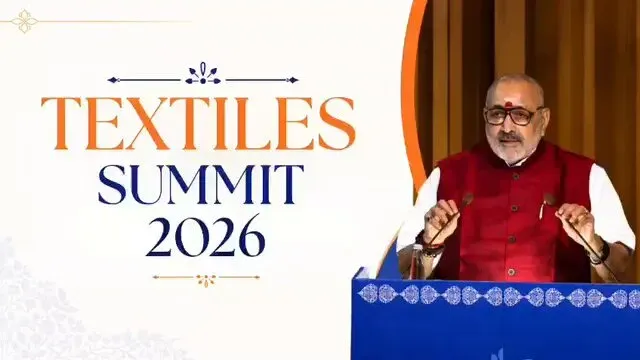
Union Textiles Minister Giriraj Singh on Tuesday, 23 June 2026 shared highlights from the Vastra Shikhar Sammelan 2026, a textiles summit convened with the stated resolve to take India's textile trade and exports to new heights.
Posting on X, the minister shared a video from the summit, writing — 'Bharat ke vastra vyapar aur niriyat ko nayi unchaaiyon tak pahunchane ke sankalp ke saath aayojit Vastra Shikhar Sammelan 2026 ki kuch jhalkiyaan' — translated as: 'Some glimpses of the Vastra Shikhar Sammelan 2026, organised with the resolve to take India's textile trade and exports to new heights.'
Context
The Vastra Shikhar Sammelan 2026 represents the government's effort to convene industry, policymakers, and exporters around a shared agenda for the textile sector. The summit's framing — centred on 'new heights' for trade and exports — signals an ambition to accelerate India's standing in global textile markets. Giriraj Singh, who has helmed the Ministry of Textiles as a senior BJP leader and Lok Sabha MP from Begusarai, Bihar, has consistently positioned textiles as a key pillar of India's manufacturing and employment story.
Policy Backdrop
India's textile policy architecture has been built up over successive years. The Production Linked Incentive (PLI) Scheme for Textiles, notified in 2021, was designed to support manufacturing of man-made fibre apparel, fabrics, and technical textiles by linking financial incentives to incremental production. Before that, the RoSCTL scheme, introduced in 2019 and periodically extended, rebates state and central taxes for apparel and made-ups exporters, improving their cost competitiveness in global markets.
The National Technical Textiles Mission, approved in 2020, added another dimension by promoting research, innovation, and broader usage of technical textiles across sectors such as defence, agriculture, and infrastructure. A special package for textiles announced in 2016 had earlier laid groundwork through duty refunds and interest subvention to generate employment and boost exports. Together, these measures form a layered policy framework that summits like the Vastra Shikhar Sammelan are intended to build upon.
Stakeholders and Impact
The textile sector's stakeholder base is wide: it spans large exporters, MSME manufacturers, handloom weavers, and technical textile producers. India's textiles and apparel industry is among the country's largest employers, making export performance in this sector directly linked to livelihoods across states. As global supply chains shift away from China, India has positioned itself as an alternative sourcing destination, with fiscal incentives and trade policy adjustments aimed at closing the competitiveness gap with rivals such as Bangladesh and Vietnam.
Exporters and MSME manufacturers in particular watch such summits for signals on fresh incentives, duty structures, or changes to schemes like RoSCTL and PLI that directly affect their margins and investment decisions.
What's Next
Attention will now turn to whether the Vastra Shikhar Sammelan 2026 produces concrete recommendations that feed into the next Union Budget or a revision of the Foreign Trade Policy. Quarterly textile export figures from the Ministry of Commerce will serve as a near-term measure of whether the sector's trajectory is moving in the direction the summit's stated resolve implies. Any announcement of fresh fiscal incentives, expanded PLI coverage, or new technical textiles initiatives in the coming months would be a direct downstream outcome to watch.
Point of View
Particularly exporters and MSME manufacturers. For Giriraj Singh, amplifying the summit on social media is consistent with the BJP government's practice of using ministerial platforms to project economic ambition ahead of budget cycles. The timing — mid-2026 — places the summit close enough to the next Union Budget to make any recommendations politically and fiscally actionable. Whether the summit translates into concrete new incentives or remains a declaratory exercise will be the real test of its impact on India's textile export trajectory.
NationPress
22 Sept 2026
Frequently Asked Questions
What is the Vastra Shikhar Sammelan 2026?
The Vastra Shikhar Sammelan 2026 is a textiles summit organised by the Indian government with the stated aim of taking India's textile trade and exports to new heights, as described by Union Textiles Minister Giriraj Singh.
Who is Giriraj Singh?
Giriraj Singh is India's Union Minister of Textiles, a senior BJP leader, and a Lok Sabha MP representing Begusarai in Bihar.
What is the PLI scheme for textiles?
The Production Linked Incentive (PLI) Scheme for Textiles was notified in 2021 to provide financial incentives for manufacturing man-made fibre apparel, fabrics, and technical textiles, linking payouts to incremental production growth.
What is the RoSCTL scheme in textiles?
The Rebate of State and Central Taxes and Levies (RoSCTL) scheme, introduced in 2019, rebates state and central taxes for exporters of apparel and made-up textile products, improving their global competitiveness.
How does India plan to increase textile exports?
India has pursued a layered policy approach including the PLI scheme, RoSCTL, the National Technical Textiles Mission, and summits like Vastra Shikhar Sammelan 2026 to raise its share in global textile trade and attract investment as supply chains shift away from China.