Giriraj Singh chairs key meeting with Grasim on viscose yarn
Synopsis
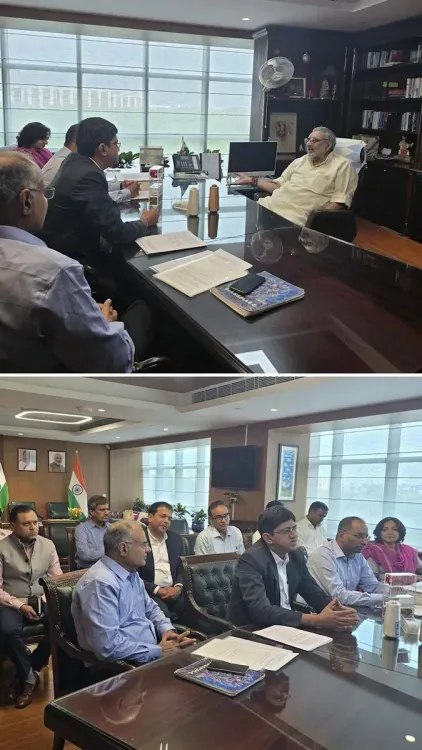
Union Textiles Minister Giriraj Singh chaired a high-level meeting with Grasim Industries on 2 June 2026, holding detailed discussions on viscose filament yarn issues as part of India's Make in India and Atmanirbhar Bharat manufacturing push.
Key Takeaways
Union Textiles Minister Giriraj Singh chaired a meeting with Grasim Industries Limited representatives on 2 June 2026 .
Discussions centred on issues related to viscose filament yarn in the Indian textiles sector.
Grasim Industries , part of the Aditya Birla Group , is one of India's largest viscose filament yarn producers.
The meeting was framed under the Make in India and Atmanirbhar Bharat policy umbrellas.
The PLI scheme for man-made fibre textiles (approved 2021 ) and the National Technical Textiles Mission (launched 2020 ) form the existing policy scaffolding for such consultations.
Potential follow-up announcements on viscose yarn duties or technology-upgradation support are expected in upcoming budget or policy cycles.
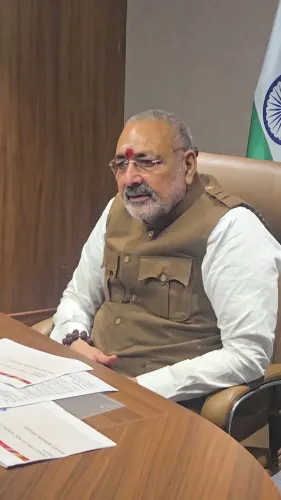
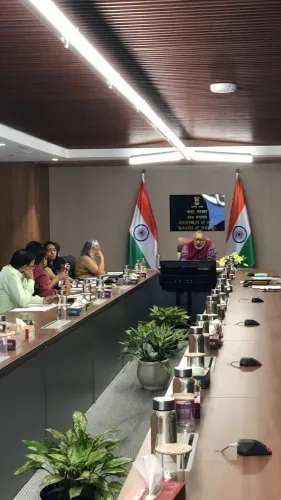
Union Textiles Minister Giriraj Singh on Tuesday, 2 June 2026 chaired a high-level meeting with representatives of Grasim Industries Limited to discuss issues related to viscose filament yarn in the textiles sector.
Context
Posting on X, the Minister described the engagement as 'atyant mahatvapurn baithak' ('an extremely important meeting'), saying that detailed discussions were held on issues concerning viscose filament yarn in the textile sector. The meeting was held under the hashtags #MakeInIndia and #AtmanirbharBharat, signalling its alignment with the government's broader domestic-manufacturing agenda.
Grasim Industries Limited, part of the Aditya Birla Group, is one of India's largest producers of viscose filament yarn and related fibres, making it a central player in any policy dialogue on man-made textiles.
Policy Backdrop
The consultation fits into a long-standing pattern of the Union Textiles Ministry engaging large fibre producers on raw-material pricing, tariff structures, and technology gaps in the man-made fibre value chain. The government's Production Linked Incentive (PLI) scheme for man-made fibre textiles and apparel, approved by the Cabinet in 2021, already provides a framework for incentivising domestic production of fibres such as viscose.
The National Technical Textiles Mission, launched in 2020 with a five-year outlay, further underlines New Delhi's intent to move up the value chain in specialised textile segments. Viscose filament yarn sits at a strategic intersection of both programmes, serving as a key intermediate for apparel exporters and technical-textile units alike.
India's push under Atmanirbhar Bharat — the self-reliance campaign announced in 2020 — has included targeted measures to reduce import dependence in the man-made textile segment, a gap that producers such as Grasim are positioned to help close.
Stakeholders and Impact
Viscose filament yarn is a critical upstream input whose pricing and availability directly affect downstream apparel manufacturers and exporters across clusters in Surat, Bhilwara, and Ludhiana. Any policy shift on duties or technology-upgradation support following this consultation could alter input costs for thousands of small and medium textile units.
For Grasim Industries, engagement at the ministerial level signals an opportunity to shape regulatory and tariff conditions that govern its core fibre business. The broader textile manufacturing community will watch closely for any downstream announcements on import duties or incentive structures.
What's Next
Industry observers will look for follow-up signals in the next textile policy revision or the upcoming Union Budget, particularly on viscose filament yarn import duties or technology-upgradation support under existing schemes. Regular ministerial consultations of this kind have historically preceded adjustments in the man-made fibre tariff schedule or new sub-scheme notifications under the PLI framework. The Ministry has not yet issued a formal statement on the outcomes of the 2 June meeting.
Point of View
The Textiles Ministry signals that upstream raw-material issues — tariffs, technology, and pricing — remain live policy concerns rather than settled questions. The timing, ahead of a likely budget cycle, raises the possibility that industry inputs from this consultation could feed into duty rationalisation or fresh PLI sub-scheme notifications. Giriraj Singh's visible, post-level amplification of the meeting also reflects the BJP government's broader communication strategy of showcasing industrial engagement as tangible governance delivery.
NationPress
21 Oct 2026
Frequently Asked Questions
Why did Giriraj Singh meet Grasim Industries?
Union Textiles Minister Giriraj Singh met Grasim Industries representatives on 2 June 2026 to hold detailed discussions on issues related to viscose filament yarn in the Indian textiles sector, as part of the government's Make in India and Atmanirbhar Bharat agenda.
What is viscose filament yarn and why does it matter for India's textiles sector?
Viscose filament yarn is a man-made fibre used widely in apparel and technical textiles. It is a strategically important intermediate whose pricing and availability directly affect downstream manufacturers and exporters across major textile clusters in India.
What is Grasim Industries' role in India's textiles industry?
Grasim Industries Limited, part of the Aditya Birla Group, is one of India's largest producers of viscose filament yarn and related fibres, making it a central stakeholder in policy discussions on the man-made textile value chain.
What government schemes support man-made fibre textiles in India?
The Production Linked Incentive scheme for man-made fibre textiles and apparel, approved in 2021, and the National Technical Textiles Mission, launched in 2020, are the two key central government programmes supporting this segment.
What could come out of this meeting between the Textiles Ministry and Grasim?
Industry observers are watching for possible follow-up announcements on viscose filament yarn import duties or technology-upgradation support in the next Union Budget or textile policy revision, though no formal outcomes have been announced yet.