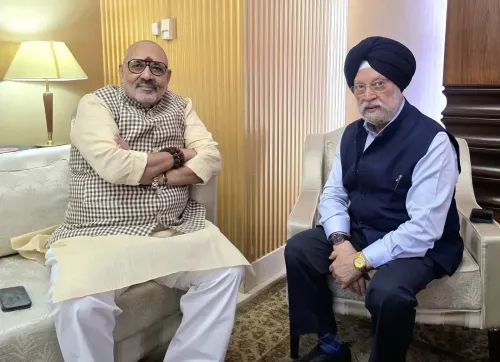
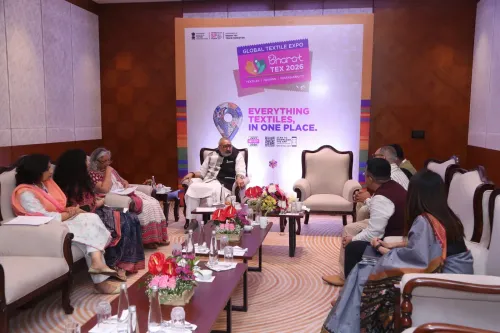
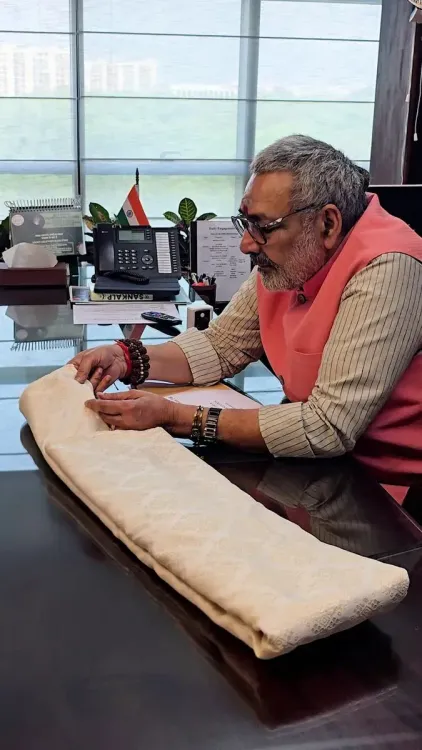
Giriraj Singh chairs meet with Viscose Importers Association
Synopsis
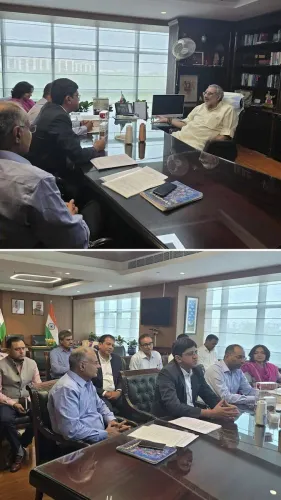
Union Textiles Minister Giriraj Singh chaired a meeting with the Viscose Importers Association on 3 June 2026 in New Delhi, discussing aspects of viscose filament yarn. The minister tied the consultation to Make in India and Atmanirbhar Bharat, signalling continued government focus on the man-made fibre segment and the import-domestic balance in India's textile value chain.
Key Takeaways
Union Textiles Minister Giriraj Singh chaired a meeting with the Viscose Importers Association on 3 June 2026.
Discussions focused on aspects related to viscose filament yarn, a key man-made cellulosic input.
The post was tagged with Make in India and Atmanirbhar Bharat, framing the dialogue within the manufacturing push.
The PLI scheme for textiles, notified in 2021, covers man-made fibre segments including filament yarns.
Stakeholders watching include viscose importers, domestic yarn producers and downstream textile manufacturers.
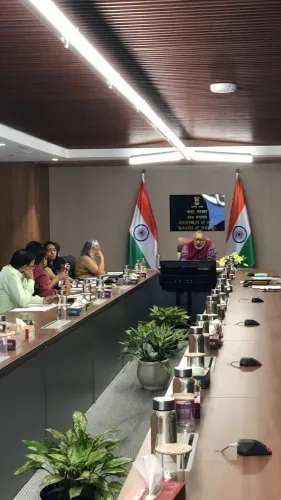
Union Textiles Minister Giriraj Singh on 3 June 2026 chaired a meeting with representatives of the Viscose Importers Association in New Delhi, where discussions centred on issues related to viscose filament yarn. The minister flagged the engagement on X, framing it as part of ongoing consultations with industry stakeholders in the man-made fibre segment.
In his post, Giriraj Singh wrote that he had 'chaired an important meeting today with representatives of the Viscose Importers Association' and that aspects related to viscose filament yarn were discussed during the deliberations. The post was tagged with #Textiles, #Viscose, #TextileIndustry, #IndustrialGrowth, #MakeInIndia and #AtmanirbharBharat, situating the consultation within the government's broader manufacturing push. A short video clip accompanied the post.
Context
The Viscose Importers Association is an industry body representing firms that bring in viscose and related filament products, and routinely engages the government on trade and regulatory matters. Viscose filament yarn is a man-made cellulosic fibre input widely used in apparel and home-textile applications, and its pricing and availability remain a recurring point of dialogue between importers, domestic producers and policymakers.
Giriraj Singh, the Lok Sabha MP from Begusarai, Bihar and a senior BJP leader, has overseen the Textiles Ministry's outreach to multiple segments of the value chain since taking charge of the portfolio. Wednesday's meeting fits into that consultative pattern.
Policy backdrop
India's textile policy has, over the past decade, sought to scale up man-made fibre capacity alongside its traditional cotton base in order to improve global competitiveness and trim reliance on imported intermediates. The Production Linked Incentive (PLI) scheme for textiles, notified in 2021, was anchored in man-made fibre segments including filament yarns and technical textiles.
Discussions on duty structures and production incentives for viscose filament yarn have been part of ministry engagements since the rollout of the Make in India programme in 2014, and have gained sharper focus under the Atmanirbhar Bharat framework announced in 2020. Both initiatives emphasise reduced import dependence and the build-out of local manufacturing capability.
Stakeholders and impact
The key constituencies watching the consultation are viscose importers, domestic yarn producers and downstream textile manufacturers, including weavers and garment exporters who use viscose filament yarn as a raw material. Importers have historically sought predictable duty regimes and streamlined clearance processes, while domestic producers have pressed for protection against under-priced inbound shipments and support for capacity expansion.
Decisions emerging from such consultations typically feed into calibrations on tariffs, quality control orders and incentive eligibility. Even in the absence of an announced outcome, the meeting signals that viscose filament yarn remains an active file within the ministry's man-made fibre agenda.
What's next
Industry watchers will track follow-up announcements on any revised import duties, quality control orders or expansions of the PLI scheme that touch viscose filament yarn. Parallel engagement with domestic producers in the coming weeks would round out the consultative loop and indicate the direction in which the ministry intends to move.
For Giriraj Singh, the meeting reinforces the Textiles Ministry's positioning as a convenor between importers and domestic manufacturers as India seeks to deepen its man-made fibre ecosystem under the twin banners of Make in India and Atmanirbhar Bharat.
Point of View
The Textiles Ministry signals that policy on viscose filament yarn is being shaped through structured industry dialogue rather than unilateral notifications. The hashtag pairing of Make in India and Atmanirbhar Bharat is deliberate, locating the consultation inside a self-reliance arc that has dominated manufacturing policy since 2020. The real test will lie in whether subsequent duty or PLI tweaks reflect the importers' concerns or tilt further toward domestic producers.
NationPress
22 Sept 2026
Frequently Asked Questions
Who did Giriraj Singh meet on 3 June 2026?
Union Textiles Minister Giriraj Singh chaired a meeting with representatives of the Viscose Importers Association. The discussions covered aspects related to viscose filament yarn.
What is viscose filament yarn used for?
Viscose filament yarn is a man-made cellulosic fibre widely used in apparel, home textiles and blended fabrics. It is a key input for weavers, knitters and garment manufacturers.
What is the PLI scheme for textiles?
The Production Linked Incentive scheme for textiles was notified in 2021. It focuses on man-made fibre segments, including filament yarns and technical textiles, to scale up domestic capacity.
How does this meeting link to Atmanirbhar Bharat?
Atmanirbhar Bharat, announced in 2020, emphasises reduced import dependence and stronger local manufacturing. Consultations on viscose filament yarn feed into that goal by shaping tariff and incentive choices.
Which constituency is Giriraj Singh's Lok Sabha seat?
Giriraj Singh represents Begusarai in Bihar in the Lok Sabha. He is a senior BJP leader and holds the Union Textiles portfolio.