Baloch activist urges UN to hold Pakistan accountable for Balochistan abuses
Synopsis
BNM Chairman Naseem Baloch took Pakistan's Balochistan record directly to the UN's economic and social rights body in Geneva, citing enforced disappearances, jailed lawyers, and collective punishment — and calling for a dedicated UN monitoring mechanism. With Committee members formally questioning Islamabad's delegation, Balochistan has now entered the CESCR's official scrutiny record.
Key Takeaways
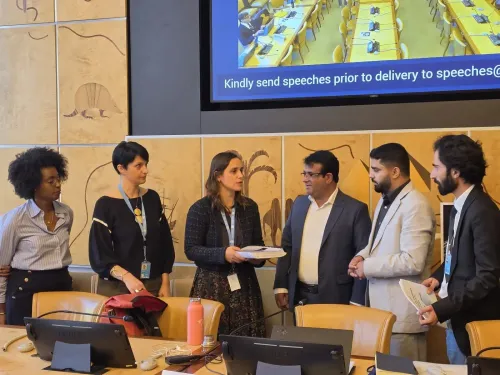
BNM Chairman Naseem Baloch met UN CESCR members in Geneva on 6 November 2026 , urging accountability for Pakistani abuses in Balochistan .
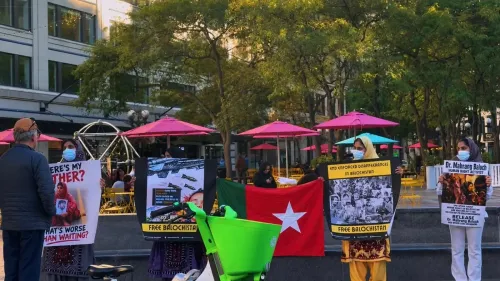
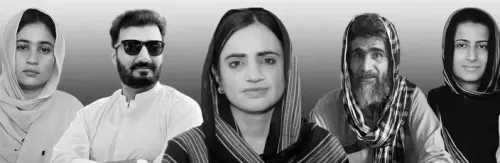
He cited enforced disappearances, collective punishment, and the detention of Dr Mahrang Baloch and other Baloch Yakjehti Committee (BYC) leaders.
Human rights lawyers Imaan Zainab Mazari-Hazir and Hadi Ali Chattha each received 10-year prison sentences from a Pakistani court, cited as evidence of judicial repression.
Committee members Julieta Rossi and Michael Windfuhr formally questioned Pakistan's roughly 12-member delegation on Balochistan during the review session.
Naseem submitted dossiers to Committee Chair and members L.
Perez and Fiorio Vaesken , mapping violations to specific ICESCR provisions.
The BNM is demanding a dedicated UN mechanism to investigate and monitor human rights violations in the region.
Baloch National Movement (BNM) Chairman Naseem Baloch appeared before members of the UN Committee on Economic, Social and Cultural Rights (CESCR) in Geneva on 6 November 2026, presenting detailed evidence of systematic repression and human rights violations by Pakistani authorities in Balochistan. He urged the Committee to hold Pakistan accountable for failing to honour its international obligations under the International Covenant on Economic, Social and Cultural Rights (ICESCR).
Key Demands Placed Before the Committee
Naseem called on the UN to establish a dedicated mechanism to investigate and monitor human rights violations in Balochistan. He also sought a formal platform through which the Baloch people could present their grievances directly to the international body — a step that would give the region's civil society a recognised standing in multilateral proceedings.
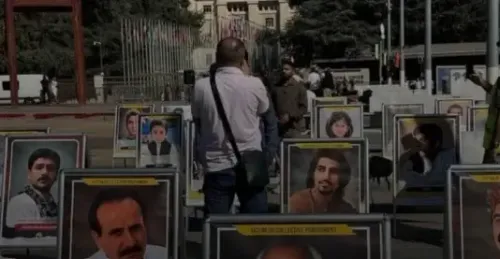
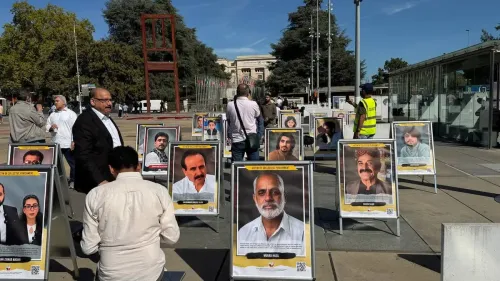
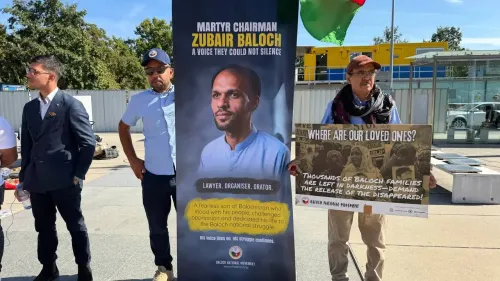
According to the BNM's account of the meeting, Naseem described enforced disappearances and collective punishment in detail, stating that 'thousands of Baloch families have lived through this ordeal, and its effects reach far beyond the direct victims. Families lose their breadwinners, children lose their chance at an education, and entire households are pushed into poverty.'
Imprisoned Activists and Lawyers Cited as Evidence
Naseem highlighted the detention of Baloch human rights defenders, including Dr Mahrang Baloch and other leaders of the Baloch Yakjehti Committee (BYC), as illustrative of the crackdown. He also cited the 10-year prison sentences handed down by a Pakistani court to human rights lawyers Imaan Zainab Mazari-Hazir and her husband Hadi Ali Chattha, presenting these as evidence of severe judicial repression targeting those who speak out for Balochistan's population.
Legal Framework Invoked
Invoking Article 1 of the ICESCR — which affirms all peoples' right to self-determination and to freely dispose of their natural wealth and resources — Naseem challenged the Pakistani delegation's claims of compliance. 'How can Pakistan claim compliance while these rights are being denied in Balochistan?' he asked Committee members. He added: 'We are not asking for sympathy. We are demanding justice, accountability and our fundamental rights.'
Pakistan Under Formal Scrutiny
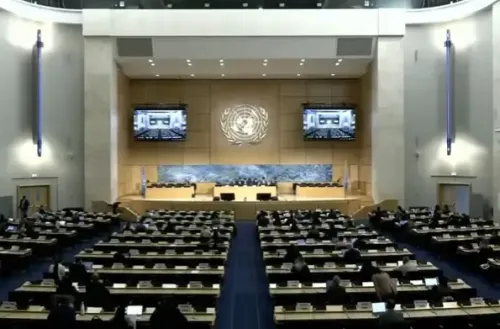
Naseem also attended the Committee's formal review session, where a Pakistani delegation of approximately 12 representatives appeared to respond to questions on the country's implementation of the Covenant. Committee members Julieta Rossi and Michael Windfuhr both raised specific concerns about Balochistan's deteriorating situation, bringing the issue into the Committee's formal scrutiny record. At the conclusion of the session, Naseem submitted dossiers documenting violations to Committee Chair and members L. E. Perez and Fiorio Vaesken. The dossiers map the documented abuses against specific provisions of the Covenant, strengthening the evidentiary basis for any future monitoring action.
Significance and What Comes Next
This comes amid escalating international attention on Pakistan's human rights record, with Balochistan repeatedly surfacing in UN-level proceedings in recent years. The CESCR's concluding observations — expected after the review cycle — could include specific recommendations on Balochistan, though enforcement remains a structural limitation of the treaty-body system. How Pakistan responds to the Committee's formal findings will be closely watched by rights groups and diaspora organisations globally.
Point of View
Not compel — means Pakistan faces reputational cost but no binding consequence. The 10-year sentences handed to lawyers Mazari-Hazir and Chattha are the kind of concrete, named evidence that moves UN committees; vague claims rarely do. The real test is whether the CESCR's concluding observations name Balochistan specifically, and whether that language is then picked up by Special Rapporteurs or the Universal Periodic Review cycle, where leverage, however limited, actually accumulates.
NationPress
6 Nov 2026
Frequently Asked Questions
What did BNM Chairman Naseem Baloch present to the UN CESCR in Geneva?
Naseem Baloch presented evidence of systematic human rights violations in Balochistan — including enforced disappearances, collective punishment, and the jailing of activists and lawyers — to UN Committee on Economic, Social and Cultural Rights (CESCR) members in Geneva on 6 November 2026. He urged the Committee to hold Pakistan accountable and to establish a dedicated monitoring mechanism for the region.
Who are the Baloch activists and lawyers mentioned in the UN meeting?
The meeting highlighted the detention of Dr Mahrang Baloch and other leaders of the Baloch Yakjehti Committee (BYC). Human rights lawyers Imaan Zainab Mazari-Hazir and her husband Hadi Ali Chattha were also cited; both received 10-year prison sentences from a Pakistani court, which Naseem presented as evidence of judicial crackdown.
What is the UN CESCR and what authority does it have over Pakistan?
The UN Committee on Economic, Social and Cultural Rights (CESCR) monitors compliance with the International Covenant on Economic, Social and Cultural Rights (ICESCR), to which Pakistan is a signatory. The Committee can issue concluding observations and recommendations but does not have binding enforcement power over member states.
How did the UN Committee respond to the Balochistan concerns?
Committee members Julieta Rossi and Michael Windfuhr formally raised Balochistan during the review session, questioning the Pakistani delegation — which numbered around 12 representatives — on the country's compliance with the Covenant. This brought Balochistan into the Committee's official scrutiny record.
What is the Baloch National Movement (BNM) asking the United Nations to do?
The BNM is calling for three specific actions: holding Pakistan accountable for violating its ICESCR obligations, establishing a dedicated UN mechanism to investigate and monitor human rights violations in Balochistan, and creating a formal platform for Baloch representatives to present concerns directly before UN bodies.