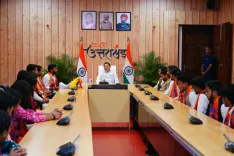
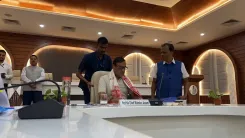
Giriraj Singh: New Rural Jobs Scheme to Prioritise Water Security
Synopsis
Union Textiles Minister Giriraj Singh announced on 7 July 2026 that a new rural employment scheme will prioritise water conservation and water security works, building on India's long-standing policy of converging rural wage programmes with natural-resource management to benefit agricultural labourers and drought-prone communities.
Key Takeaways
Union Textiles Minister Giriraj Singh announced on 7 July 2026 that a new rural employment scheme will prioritise water conservation and water security works.
The announcement was made in Hindi via the NaMo App , signalling official party-level communication.
India's existing MGNREGA (2005) already permits water conservation works and guarantees 100 days of wage employment to rural households; the new scheme elevates water security to an explicit priority.
Policy guidelines from 2014 onward had already emphasised durable asset creation and convergence with irrigation programmes under rural employment frameworks.
Rural households, agricultural labourers, and farmers in drought-prone states such as Maharashtra, Rajasthan, Madhya Pradesh, Uttar Pradesh , and Bihar are the primary intended beneficiaries.
Formal scheme details, fund allocations, and operational guidelines are expected through Ministry of Rural Development circulars and the upcoming Union Budget .
Union Textiles Minister Giriraj Singh on Tuesday, 7 July 2026, shared that a new rural employment scheme will give priority to water conservation and water security works, signalling a significant policy shift in how rural wage programmes are designed and deployed across India.
Context
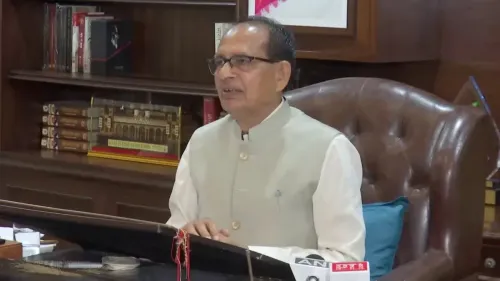
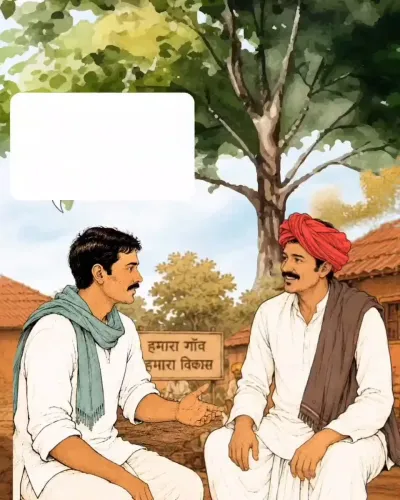
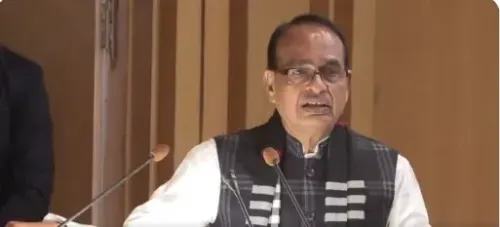
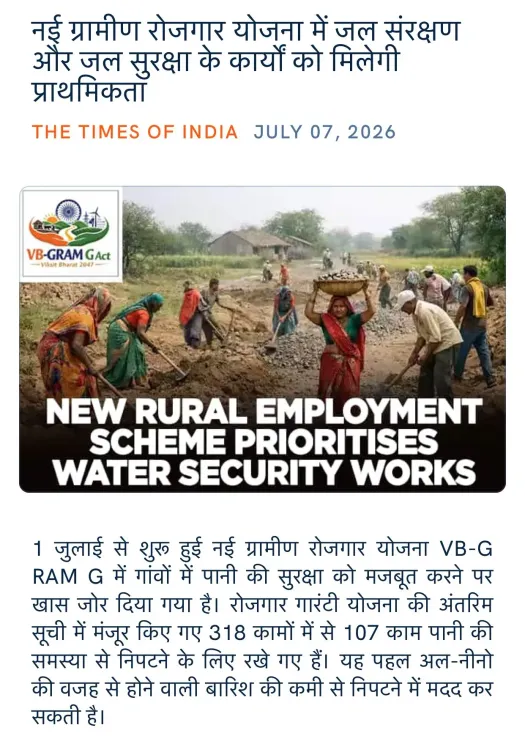
Singh shared the development via the NaMo App, posting in Hindi: 'नई ग्रामीण रोजगार योजना में जल संरक्षण और जल सुरक्षा के कार्यों को मिलेगी प्राथमिकता' — translated as 'Water conservation and water security works will be given priority in the new rural employment scheme.' The post, accompanied by an image, quickly drew attention from policy observers tracking rural welfare and water governance.
The announcement points to a forthcoming scheme that builds on the architecture of existing rural employment frameworks while explicitly elevating water-linked works to the top of the priority list.
Policy Backdrop
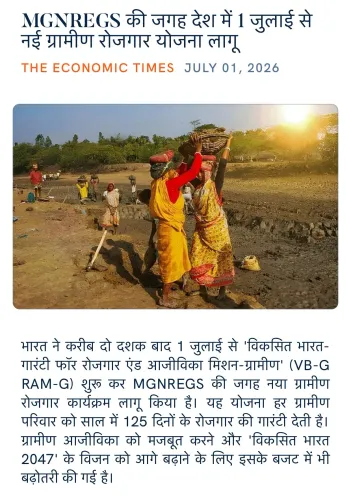
India's landmark Mahatma Gandhi National Rural Employment Guarantee Act (MGNREGA), enacted in 2005, already lists water conservation and water harvesting among its core permissible works, guaranteeing 100 days of wage employment to rural households annually. Successive governments have reinforced this convergence — guidelines issued from 2014 onward placed greater emphasis on creation of durable natural-resource assets and alignment with irrigation programmes.
The proposed new scheme appears to sharpen this focus, moving water security from a permissible category to an explicit programmatic priority. This reflects a long-standing policy preference for labour-intensive natural-resource management, particularly in drought-prone and semi-arid districts where groundwater depletion and erratic monsoons pose acute livelihood risks.
The Ministry of Rural Development is expected to issue circulars detailing revised work priorities and fund allocations, with the next Union Budget likely to carry the first concrete financial signals.
Stakeholders and Impact
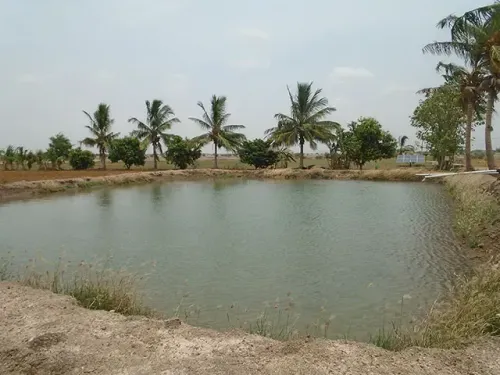
Rural households and agricultural labourers — the primary beneficiaries of rural employment guarantees — stand to gain from a scheme that links wage work directly to water infrastructure. When workers dig check dams, recharge pits, or canal lining in their own villages, the resulting assets benefit the same communities for years after construction.
Farmers in water-stressed states such as Maharashtra, Rajasthan, Madhya Pradesh, Uttar Pradesh, and Bihar — Singh's own home state — are likely to see the most direct impact, as these regions have historically recorded the highest MGNREGA utilisation and the sharpest groundwater decline. Panchayati Raj institutions and state rural development departments will be key implementation partners.
What's Next
The formal contours of the new scheme — including eligibility criteria, wage rates, asset categories, and funding structure — are yet to be officially notified. Observers will watch for a Ministry of Rural Development gazette notification or cabinet approval that translates the policy intent into operational guidelines.
With the Union Budget cycle approaching, allocations for rural employment and water missions will be a key indicator of how seriously the Centre intends to resource this convergence. The announcement by a senior Cabinet minister through an official party platform suggests the proposal has cleared significant internal deliberation, and a formal rollout could be imminent.
Point of View
The proposed scheme attempts to address a persistent critique of rural job guarantees: that they generate temporary income without lasting community assets. The move also signals that the BJP is keen to demonstrate welfare delivery credentials ahead of state election cycles in water-stressed Hindi-belt states. Whether the new scheme supplements or eventually replaces MGNREGA will be the defining policy question to watch.
NationPress
6 Oct 2026
Frequently Asked Questions
What is the new rural employment scheme announced by Giriraj Singh?
Union Textiles Minister Giriraj Singh announced on 7 July 2026 that a new rural employment scheme is being planned that will give explicit priority to water conservation and water security works. The formal details, including the scheme's name, fund allocation, and eligibility, are yet to be officially notified by the Ministry of Rural Development.
How is this different from MGNREGA?
MGNREGA (2005) already permits water conservation and harvesting as allowable works under its 100-day wage guarantee. The new scheme is expected to elevate water security works from a permissible category to an explicit top priority, rather than treating them as one option among many.
Who will benefit from the new rural employment scheme?
Rural households and agricultural labourers are the primary intended beneficiaries. Farmers in water-stressed states such as Maharashtra, Rajasthan, Madhya Pradesh, Uttar Pradesh, and Bihar — which record high rural employment scheme utilisation and sharp groundwater decline — are expected to see the most direct impact.
When will the new rural employment scheme be launched?
No official launch date has been announced. Observers expect Ministry of Rural Development circulars and the upcoming Union Budget to provide the first concrete financial and operational details of the scheme.
Why is water conservation being prioritised in rural employment schemes?
India's drought-prone and semi-arid districts face acute groundwater depletion and erratic monsoons. Linking rural wage work to water infrastructure — such as check dams, recharge pits, and canal lining — creates durable community assets that benefit the same workers and farmers long after construction, a model successive governments have promoted since at least 2014.