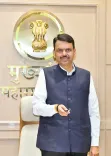
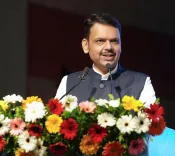
Giriraj Singh: India-NZ FTA to unlock Tamil Nadu export gains
Synopsis
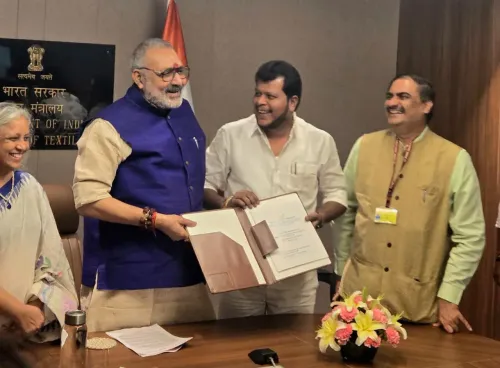
Union Textiles Minister Giriraj Singh on 22 October 2026 highlighted the India-New Zealand Free Trade Agreement as a major opportunity for Tamil Nadu exporters, singling out Tirupur's knitwear and garment sector for direct gains through duty-free market access.
Key Takeaways
Union Textiles Minister Giriraj Singh posted on 22 October 2026 about the India-New Zealand FTA's expected benefits for Tamil Nadu exporters.
Duty-free access is projected to boost exports of textiles, leather, auto components and marine products from Tamil Nadu.
Tirupur , India's knitwear capital, is identified as a direct and immediate beneficiary of the proposed deal.
The India-New Zealand FTA follows the India-Australia Economic Cooperation and Trade Agreement of 2022 , which also prioritised textiles.
India has pursued multiple bilateral FTAs since 2020 to diversify export markets and strengthen labour-intensive industries.
The full tariff schedule and parliamentary ratification process are yet to be made public.
A free trade agreement with New Zealand could be the next big unlock for Tamil Nadu's export powerhouses — and Union Textiles Minister Giriraj Singh wants the industry to know it. On Thursday, 22 October 2026, the minister took to X to spell out what duty-free access could mean for the state's textile, leather, auto-component and marine product sectors.
In his post, the minister wrote: 'The India-New Zealand Free Trade Agreement will open new opportunities for Tamil Nadu's exporters. Duty-free access will boost exports of textiles, leather, auto components and marine products. The knitwear and garment industry of Tirupur will also directly benefit from this, strengthening the global competitiveness of Indian products.'
Why Tirupur stands to gain the most
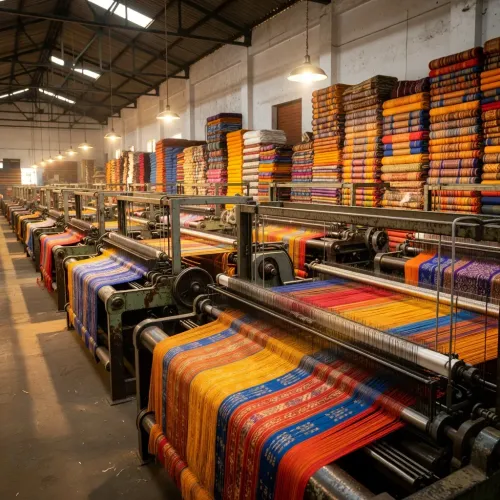
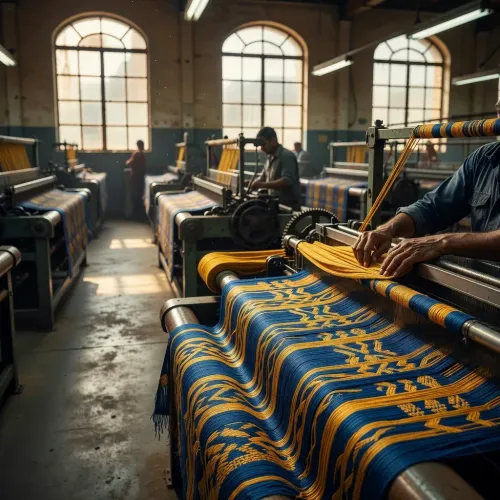
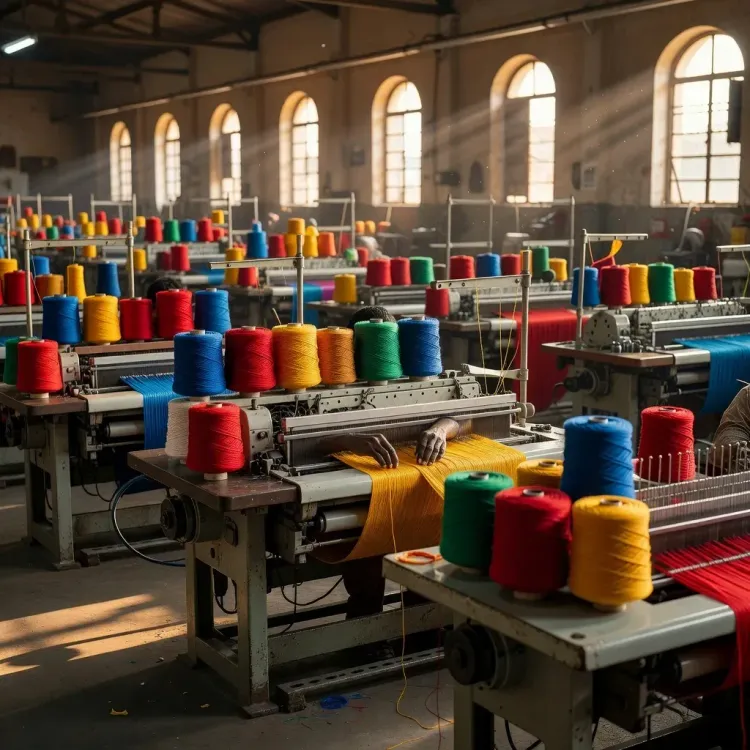
Tirupur, a city in Tamil Nadu, is the undisputed knitwear capital of India — a cluster that stitches together millions of livelihoods and accounts for a substantial share of the country's cotton hosiery exports. Any tariff reduction on garments and knitted apparel in a new market translates almost immediately into a competitive price edge on New Zealand retail shelves. That is the direct, concrete promise embedded in the minister's post.
The logic is straightforward: New Zealand currently levies duties on Indian textiles that Chinese and other competitors may partially avoid through existing preferential arrangements. A zero-tariff lane changes that equation. Tirupur exporters, who already operate at scale and have established global supply chains, are positioned to move fast once a finalised tariff schedule is in hand.
India's FTA push since 2020 — and where NZ fits in
The India-New Zealand deal is part of a deliberate post-2020 pivot by New Delhi to sign bilateral trade agreements and diversify beyond traditional export markets. The template was tested with Australia, where an Economic Cooperation and Trade Agreement signed in 2022 carved out duty concessions on textiles and agricultural goods. The New Zealand negotiation follows a similar playbook — targeting labour-intensive sectors where Indian producers hold a cost and scale advantage.
Textiles, leather and marine products appear consistently across these FTA priority lists. That is no accident: these are sectors where a few percentage points off an import tariff can swing an order from a competitor to an Indian manufacturer.
What the industry — and Parliament — needs to see next
The minister's statement is a signal, not yet a done deal. The specific tariff lines covering knitwear and garments, the implementation timeline, and the parliamentary ratification process are still to be made public. Exporters in Tirupur and across Tamil Nadu's leather and marine product belts will be watching the full tariff schedule closely — the real value of any FTA lives in the fine print of those concession lists.
For now, the direction is clear: India is betting that preferential deals, stacked across multiple markets, will compound into a durable export edge for its most labour-intensive industries. Tirupur has the looms ready. The question is how quickly the paperwork catches up.
Point of View
Building political and industry momentum ahead of ratification. It fits a broader BJP trade strategy of presenting FTAs not as abstract diplomatic achievements but as sector-specific, constituency-level gains. For a Textiles Minister, spotlighting Tirupur — a globally recognised brand in itself — is smart politics and sound economics in one stroke. The real test will come when the tariff schedule is published and industry can verify whether the concessions are deep enough to move the needle against established competitors in the New Zealand market.
NationPress
22 Oct 2026
Frequently Asked Questions
What is the India-New Zealand Free Trade Agreement?
The India-New Zealand Free Trade Agreement is a bilateral trade pact under negotiation that aims to reduce or eliminate tariffs on goods and services traded between the two countries, with textiles, leather and marine products among the priority sectors for India.
How will the India-NZ FTA benefit Tirupur's garment industry?
Tirupur, India's knitwear capital in Tamil Nadu, stands to gain duty-free access to the New Zealand market for its garments and knitwear, improving price competitiveness against rivals who currently face similar or lower tariff barriers.
Which Tamil Nadu sectors will benefit from the India-New Zealand FTA?
According to Union Textiles Minister Giriraj Singh, Tamil Nadu's textiles, leather, auto components and marine product exporters are all expected to benefit from duty-free access under the proposed FTA.
Has India signed similar FTAs with other countries recently?
Yes. India signed an Economic Cooperation and Trade Agreement with Australia in 2022 that included duty concessions on textiles and agricultural products, and has pursued multiple bilateral FTAs since 2020 to diversify export markets.
When will the India-New Zealand FTA come into effect?
The exact signing date and implementation timeline have not been officially confirmed yet; the full tariff schedule and parliamentary ratification process are still awaited.