Giriraj Singh flags 3.5x organic manure rise in Kharif 2026
Synopsis
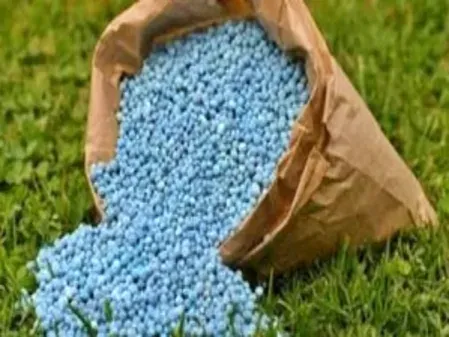
Union Textiles Minister Giriraj Singh on 22 June 2026 highlighted a 3.5-fold rise in organic manure use during Kharif 2026 and India's strengthened fertiliser buffer stocks, linking both to the government's food-security and import-resilience strategy amid ongoing global supply disruptions.
Key Takeaways
Organic manure adoption in Kharif 2026 has reportedly risen 3.5 times compared to the previous comparable period.
India has built up fertiliser buffer stocks as a hedge against recurring global supply shocks, including those stemming from the Russia-Ukraine conflict .
The Paramparagat Krishi Vikas Yojana (PKVY) , launched in 2015 , underpins the government's organic farming push through cluster development and PGS certification.
The Nutrient Based Subsidy (NBS) framework and Atmanirbhar Bharat production incentives have been the primary policy levers for strengthening domestic fertiliser capacity since 2020 .
Union Textiles Minister Giriraj Singh , a Lok Sabha MP from Begusarai, Bihar , amplified the data via the NaMo App on 22 June 2026 .
End-of-season Kharif yield data and forthcoming Union Budget fertiliser subsidy numbers will be the next key indicators to watch.
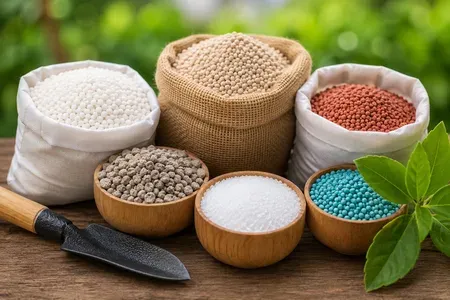
Union Textiles Minister Giriraj Singh on Monday, 22 June 2026 shared data indicating that organic manure adoption surged 3.5 times during the Kharif 2026 season, while also highlighting that India has built up fertiliser buffer stocks to guard against global supply disruptions.
Context
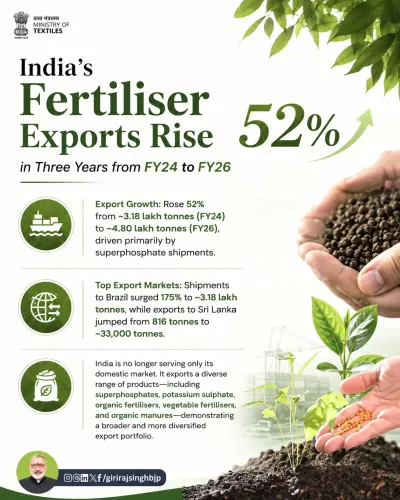
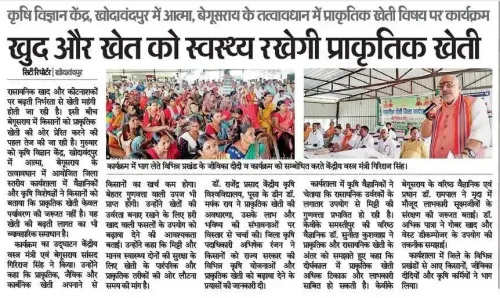
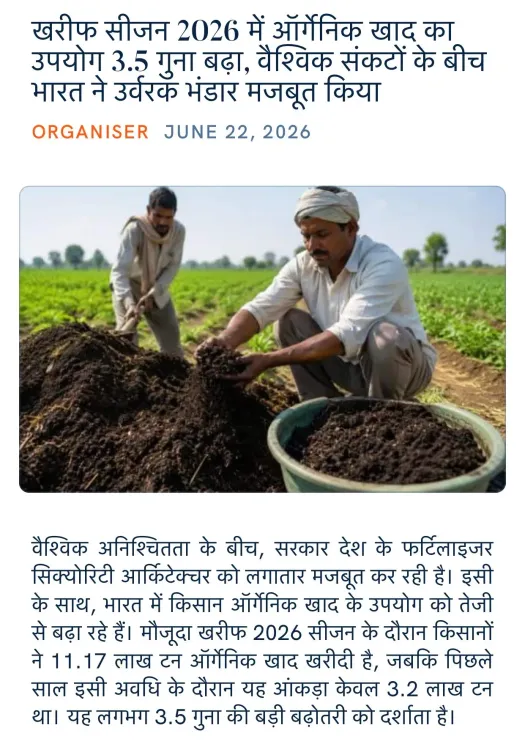
Sharing the post via the NaMo App, Singh cited a report stating that "ऑर्गेनिक खाद का उपयोग 3.5 गुना बढ़ा" (organic manure use rose 3.5 times) in the ongoing Kharif season, and that India had simultaneously strengthened its fertiliser reserves "वैश्विक संकटों के बीच" (amid global crises). The post combines two distinct but related agricultural policy goals: expanding organic input use and securing chemical fertiliser supply chains against external shocks.
The Kharif season, which runs from roughly June to October, is India's principal cropping season and the period of peak fertiliser demand, making buffer-stock levels and input availability critical to food security.
Policy Backdrop
India's push toward organic farming traces to the Paramparagat Krishi Vikas Yojana (PKVY), launched in 2015, which promotes cluster-based organic farming and Participatory Guarantee System (PGS) certification for farmers. The scheme sits under the National Mission for Sustainable Agriculture and has progressively increased targets for organic-input adoption across states.
On the chemical fertiliser side, the government revised its Nutrient Based Subsidy (NBS) framework and, after global fertiliser prices spiked sharply following the Russia-Ukraine conflict in 2022, announced measures to expand domestic production capacity and strategic reserves. Atmanirbhar Bharat production-linked incentives were extended to domestic urea and complex fertiliser units from 2020 onward to reduce import dependence.
Singh, though a minister in the Textiles Ministry, is a senior BJP leader and Lok Sabha MP from Begusarai, Bihar, and regularly amplifies government messaging across policy domains including agriculture.
Stakeholders and Impact
Indian farmers, particularly those growing paddy, pulses, and oilseeds during the Kharif season, stand to benefit most directly from both trends. A larger organic manure base can reduce input costs over time, while stronger fertiliser buffers protect against price spikes and availability crunches that have historically disrupted sowing cycles.
The fertiliser industry is the other key stakeholder: domestic producers benefit from sustained government offtake and subsidy support, while importers face policy pressure to diversify supply sources away from geopolitically volatile markets. Together, these two tracks reflect India's broader strategy of pursuing soil health and supply-chain resilience simultaneously.
What's Next
Attention will now turn to end-of-season Kharif sowing and yield data to assess whether the reported organic manure surge translates into measurable productivity or cost gains for farmers. Any revision to fertiliser subsidy outlays in the forthcoming Union Budget will also signal how aggressively the government intends to sustain both the organic transition and the buffer-stock programme into the Rabi 2026-27 season and beyond.
Point of View
Insulating it from criticism on either flank. The 3.5-fold figure, if validated by official sowing data, would represent a significant acceleration of the PKVY's decade-long trajectory and could justify expanded budget allocations. More broadly, the post fits a pattern of using the NaMo App ecosystem to circulate favourable agricultural metrics during the Kharif sowing window, when farmer sentiment is most politically salient.
NationPress
21 Sept 2026
Frequently Asked Questions
What did Giriraj Singh say about organic manure in Kharif 2026?
Giriraj Singh shared data on 22 June 2026 indicating that organic manure use rose 3.5 times during the Kharif 2026 season, citing it as evidence of India's progress in sustainable agriculture.
What is the Paramparagat Krishi Vikas Yojana?
The Paramparagat Krishi Vikas Yojana (PKVY) is a Central government scheme launched in 2015 to promote organic farming through cluster-based development and Participatory Guarantee System certification for farmers.
Why has India been building fertiliser buffer stocks?
India accelerated fertiliser buffer-stock building after global prices spiked sharply following the Russia-Ukraine conflict in 2022, aiming to reduce import dependence and protect farmers from supply disruptions during peak sowing seasons.
What is the Kharif season in India?
The Kharif season runs approximately from June to October and is India's principal cropping season, covering crops such as paddy, pulses, and oilseeds, with fertiliser demand peaking during this period.
Is Giriraj Singh the Agriculture Minister?
No, Giriraj Singh is the Union Minister of Textiles and a Lok Sabha MP from Begusarai, Bihar. He is a senior BJP leader who regularly comments on government policy across multiple sectors, including agriculture.